…Govt Strengthens Patient Safety Through Nursing Competency Development
…Healthcare Experts Advocate for Strict Adherence to Blood Transfusion Protocols
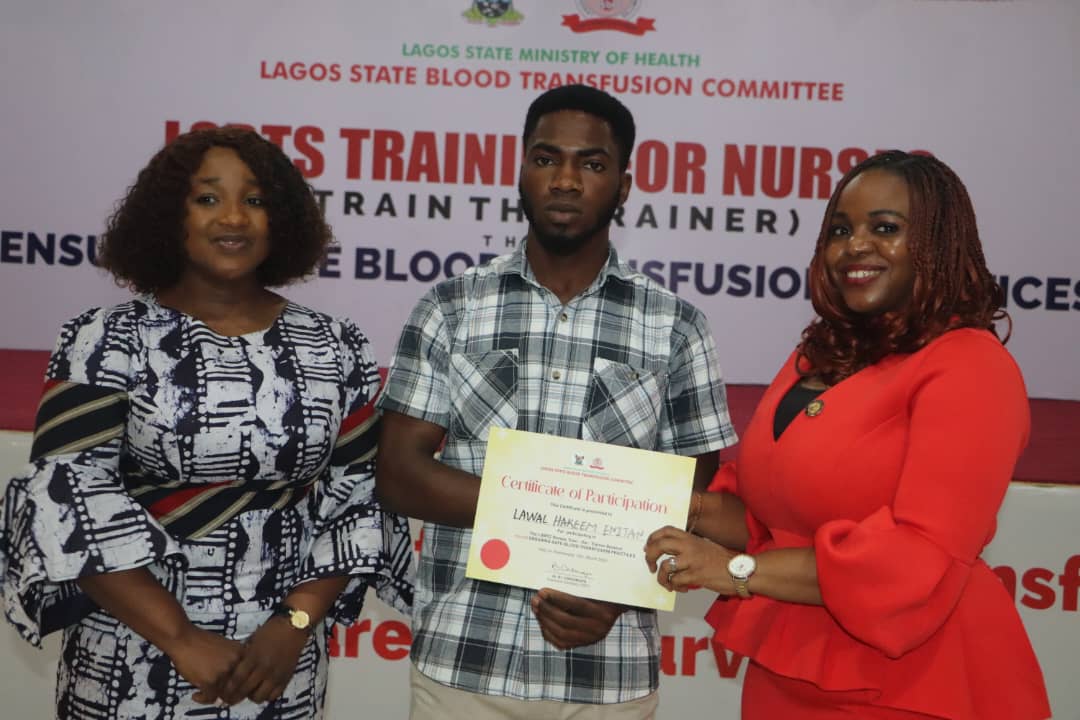
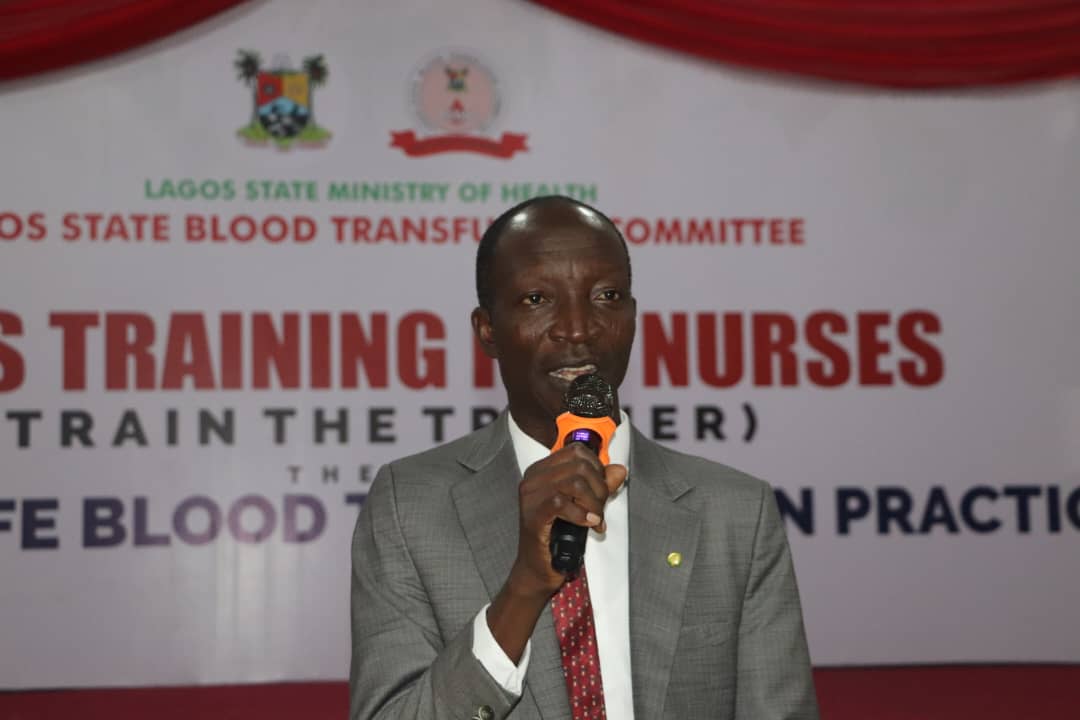
Lagos State Government has reaffirmed its commitment to patient safety and quality healthcare delivery with a one-day structural training for nurses on safe blood transfusion practices. The training, which took place at the Lagos Chamber of Commerce and Industry (LCCI) Conference Centre, Alausa, brought together over 110 nurses from public and private hospitals across the state.
Declaring the training open, the Special Adviser to the Governor on Health, Dr. (Mrs.) Kemi Ogunyemi, underscored the critical role of nurses in blood transfusion processes, emphasizing that transfusions could either save lives or lead to fatal complications if not properly administered. She lauded the Executive Secretary of the Lagos State Blood Transfusion Service (LSBTS), Dr. Bodunrin Osikomaiya, for her dedication to ensuring safe and effective blood transfusion practices across healthcare facilities in Lagos.
Dr. Ogunyemi stressed that nurses play a pivotal role in blood transfusion, from prescription to patient monitoring and post-transfusion care. “Blood transfusion is a matter of life and death. While the laboratory ensures compatibility, and the donor provides the blood, it is the nurse who ensures that the right blood is given to the right patient in the right way,” she stated.
She further emphasized the necessity of adherence to blood transfusion policies within healthcare institutions. “No nurse should administer blood without understanding the institutional policy. Policies protect the patient, guide best practices, and ensure that nurses are not exposed to liability. If your facility lacks a clear transfusion policy, demand one,” she urged.
According to Dr. Ogunyemi, safe blood transfusion practices require nurses to be alert, competent, and proactive. “It is crucial to have a second pair of eyes when checking blood before administration. It should never be done alone. We must also remember that patient monitoring is non-delegable. Once a transfusion starts, that patient is your responsibility,” she cautioned.
She reassured the nurses of the government’s commitment to supporting healthcare workers despite existing challenges. “We recognize the limitations in resources, but we see your hard work. Together, we can ensure safe transfusion practices across Lagos State,” she concluded.
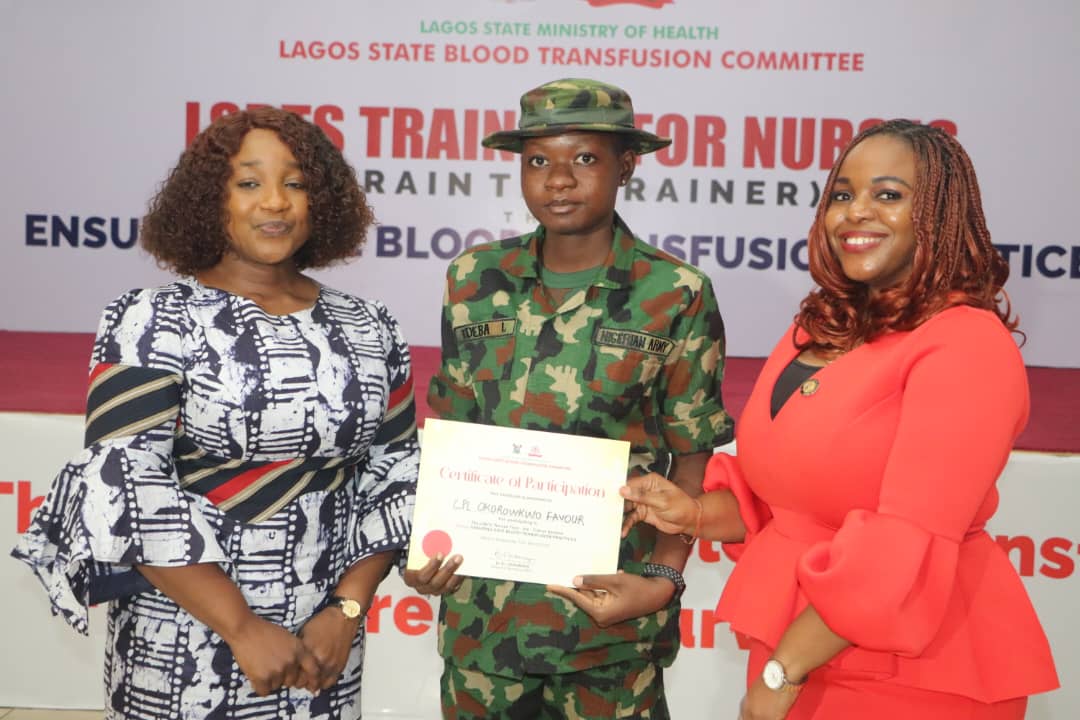
Welcoming participants, the Executive Secretary of LSBTS, Dr. Bodunrin Osikomaiya highlighted the need for continuous professional development in transfusion medicine. She announced that all participating nurses would be inaugurated as Safe Blood Transfusion Champions, charged with upholding best practices in their respective healthcare facilities.
“This training is beyond theory. You are not just learning; you are being empowered to lead safe transfusion practices in your hospitals. As champions, you must ensure strict adherence to protocols, mentor junior nurses, and advocate for safer transfusion policies,” she stated.
Dr. Osikomaiya emphasized that beyond theoretical knowledge, the training would include hands-on experience in recognizing transfusion reactions, proper documentation, and best practices in blood administration. “We will engage in real-life role-play sessions to simulate patient monitoring and emergency responses to transfusion reactions,” she added.
She commended the dedication of nurses in the state, stating, “You are the backbone of safe transfusion practices. Your vigilance and professionalism determine patient outcomes, and today’s training aims to strengthen that capacity.”
Speaking in the same vein, the Senior Special Assistant to the Governor on Health, Dr. Oluwatoni Adeyemi, reiterated the State government’s commitment to continuous education for healthcare workers. She encouraged nurses to share their knowledge with colleagues and improve transfusion safety across both secondary and tertiary healthcare levels.
“This training is a stepping stone. We expect you to return to your facilities and train other nurses. Lagos State is dedicated to ensuring that every blood transfusion is conducted safely, with minimal risk to patients,” Dr. Adeyemi noted.
A keynote presentation by Professor Ebele Uche, Head of Hematology and Blood Transfusion, Lagos State University Teaching Hospital (LASUTH), focused on identifying and managing transfusion reactions. She emphasized that nurses must be able to detect complications promptly, as they spend the most time with patients during transfusions.
“Doctors prescribe transfusions, but nurses are the ones who remain with the patients. This means that your ability to recognize and respond to adverse reactions can be the difference between life and death,” she explained.
Prof. Uche also addressed the issue of religious objections to blood transfusions. “While some patients refuse transfusions on religious grounds, it is the duty of healthcare professionals to ensure that such refusals are informed decisions. Patients must understand the risks of refusing transfusions, and our role as advocates is to educate, not just accept refusal at face value,” she stated.
The training also featured discussions on the importance of strengthening Lagos’ transfusion policies. Regulatory bodies such as the Ministry of Health, Health Service Commission (HSC), HEFAMAA, and the Directorate of Nursing Services were represented, emphasizing collaboration in improving transfusion safety.
With nurses drawn from General Hospitals, LASUTH, military hospitals, Federal Medical Centers, and private healthcare facilities, the event marked a significant step toward enhancing the competency of nurses in blood transfusion procedures.
The training concluded with a renewed commitment from participants to uphold safe transfusion practices. “This knowledge will not end here. We will cascade it to our colleagues and ensure that Lagos State maintains the highest standards in transfusion safety,” said Esonanjo Joy, a senior nurse from the Fedral Medical Centre, Ebute-Metta.
As Lagos State intensifies efforts to improve healthcare services, initiatives like this underscore the government’s resolve to equip its healthcare workforce with the necessary skills to enhance patient safety. The training serves as a reminder that while blood transfusion is a powerful life-saving tool, its success depends on the skill, vigilance, and commitment of the nurses who administer it.