…Saves Over 1.5 Million Lives
…Recruits Over 2 Million Voluntary Blood Donors
Lagos State Government, through the Lagos State Blood Transfusion Services (LSBTS), has announced that it has saved over 1.5 million lives and recruited more than 2 million voluntary blood donors since the agency’s inception.
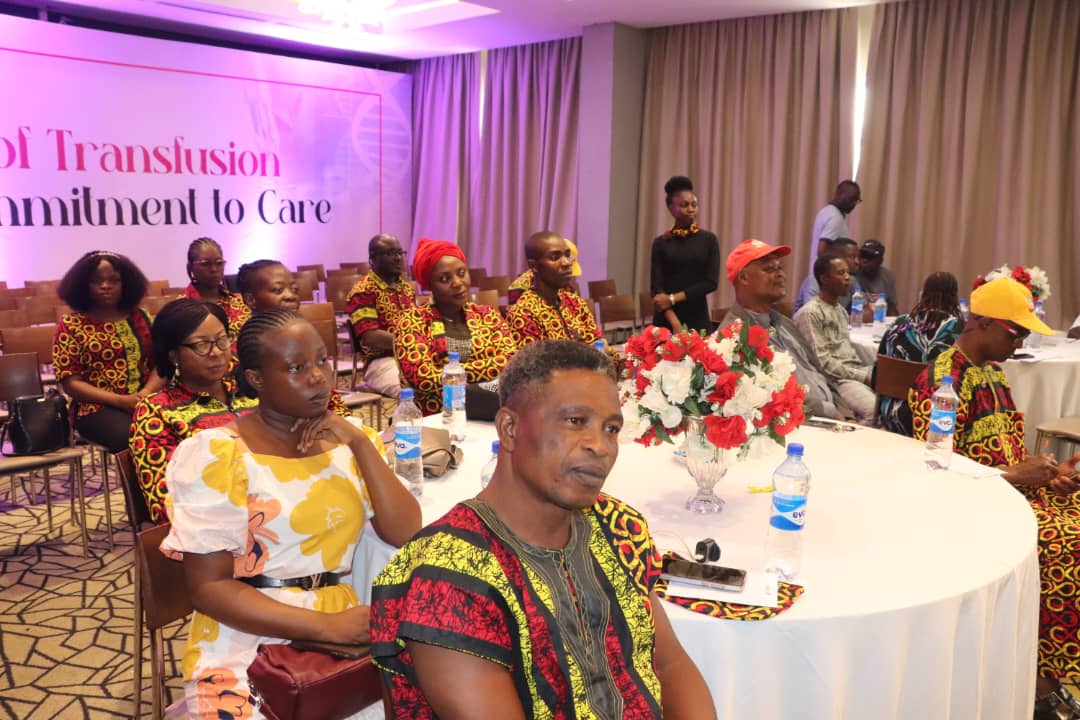
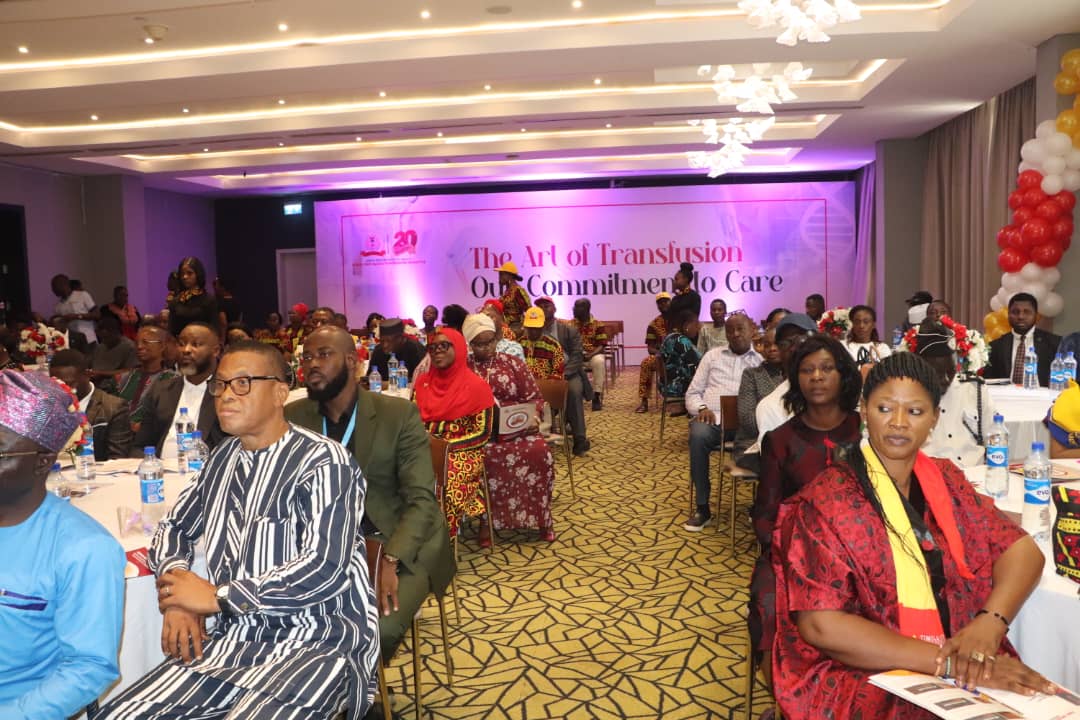
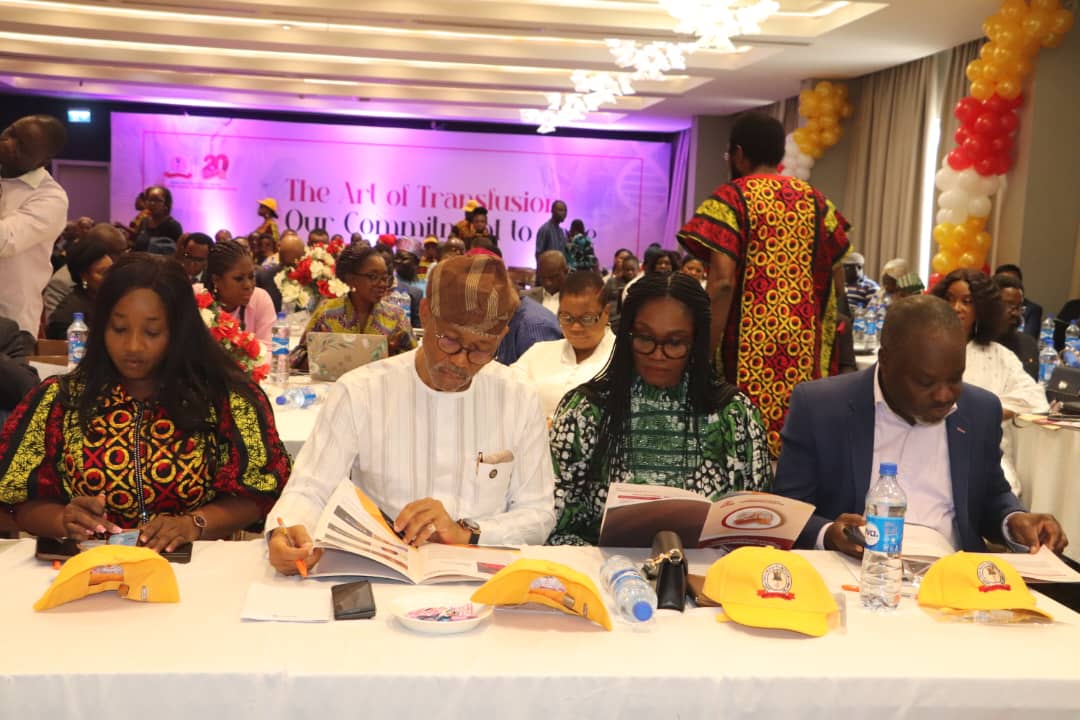
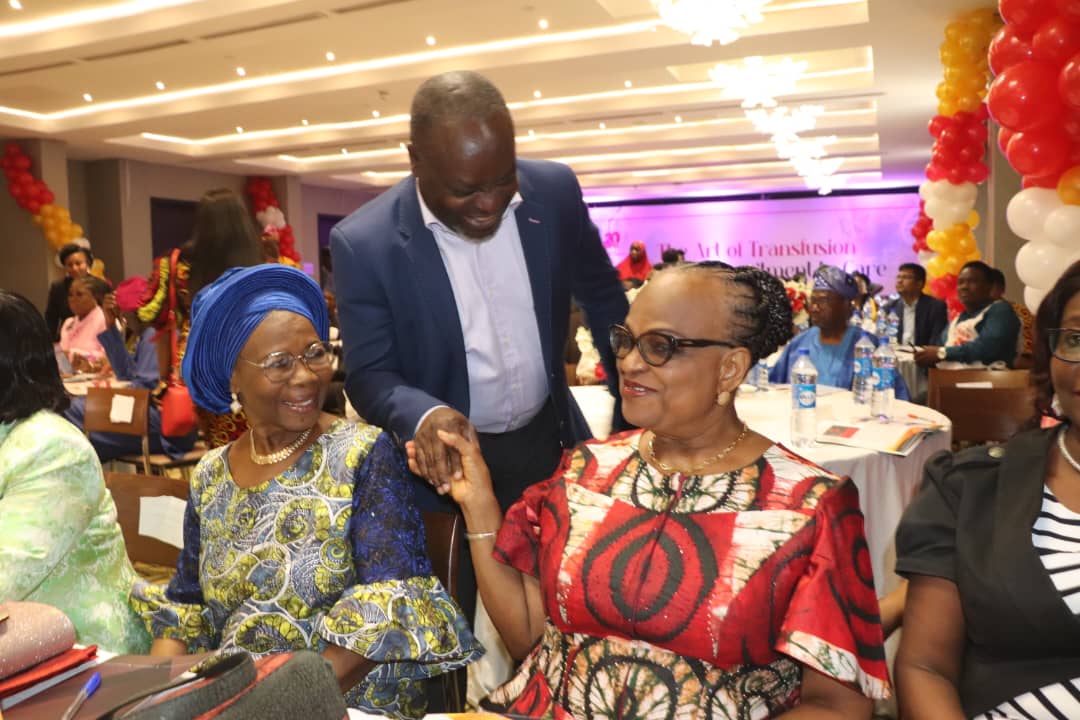
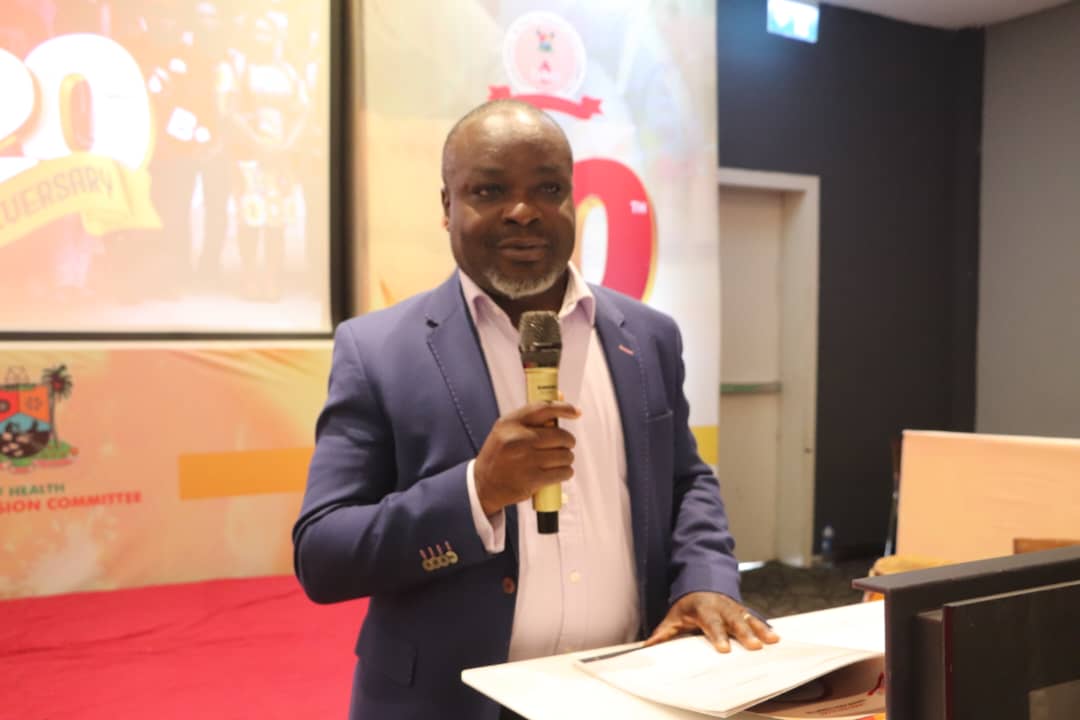
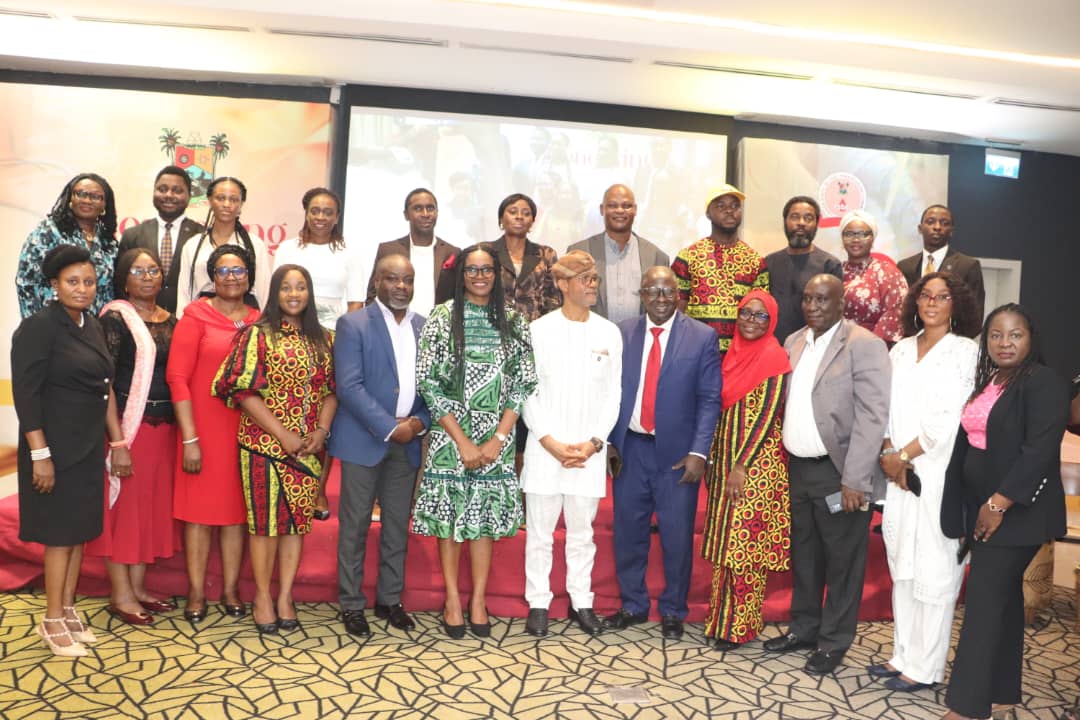
Governor of Lagos, Mr. Babajide Olusola Sanwo-Olu, disclosed this in his keynote address during a symposium commemorating the 20th anniversary of LSBTS, held at the Radisson Blu Hotel, GRA, Ikeja.

Sanwo-Olu noted that despite the increasing number of blood donors annually, the state still relies on various forms of coercive blood donation. This underscores the need for collective and concerted efforts to encourage voluntary blood donation.
“We have saved over 1.5 million lives and recruited over 2 million blood donors, with about 10.2% of them being voluntary. Despite the increasing number of donors annually, Lagos still depends on various forms of coercive blood donations,” he said.
The Governor, represented by the Commissioner for Health, Professor Akin Abayomi, further disclosed that the symposium themed “Pioneering the Path and Shaping the Future of Blood Services in Nigeria” is well-timed. Lagos State is committed to ensuring that the state blood transfusion services have adequate infrastructure and are moving towards modern technology to ensure that every pint of blood transfused is safe and free from infections.
“In Lagos, we will ensure that the Lagos Blood Transfusion Services have adequate infrastructure. We will align with global standards and use the most advanced technology to provide absolutely safe blood, free from the possibility of transmitting any type of blood infection, particularly HIV,” he said.
Governor Sanwo-Olu emphasized that the Lagos State Blood Transfusion Services was established to ensure the safety of blood from collection to transfusion and will continue to handle blood products in line with best practices.
Reiterating the present administration’s commitment to providing sustainable and qualitative healthcare delivery, the Governor appealed to all healthcare workers to avoid rivalry in discharging their duties, as every health worker is crucial to sustainable healthcare.
He assured that the government would continue to provide healthcare workers with a conducive environment and adequate infrastructure for effective healthcare delivery.
Special Adviser to the Governor on Health, Dr. (Mrs.) Kemi Ogunyemi, also congratulated LSBTS on achieving a significant milestone with efficient service delivery. She stated that LSBTS was the first to enact a law for establishing a committee on blood transfusion and has been employing modern technology to ensure blood products are transfused in line with best practices.
“Lagos state was the first to enact a law for establishing a committee on blood transfusion in Nigeria, the first to commence the use of a WHO-recommended testing method—Semi-automated ELISA technology—the first to implement full automation in blood screening technology, the first to own Pathogen Reduction Technology, the first with an active and well-structured hemovigilance program, and the first in convalescent plasma collection for managing emerging infectious diseases,” she said.
Earlier, Executive Secretary of LSBTC, Dr. Bodunrin Osikomaiya, in her welcome address, highlighted the significant achievements of the Lagos State Blood Transfusion Committee adding that the achievements were driven by passion, strong political will, and technological innovations. She stated that the agency anticipates the next decade to achieve 100% voluntary blood donation and establish a standalone blood transfusion service center.
“We eagerly anticipate the next decade when we will have 100% voluntary blood donation and a standalone, all-inclusive blood transfusion service center. We aspire to elevate the Lagos State Blood Transfusion Committee to the level of those in developed countries,” she said.
The Keynote Speaker at the Symposium, Major General Olatilewa Amusu (rtd), explained that blood transfusion is an indispensable component of healthcare that saves millions of lives annually in both routine and emergency situations. Amusu emphasized the need to establish and strengthen a centralized hemovigilance system for continuous quality improvement of the transfusion process through corrective and preventive actions to enhance donor and patient safety.