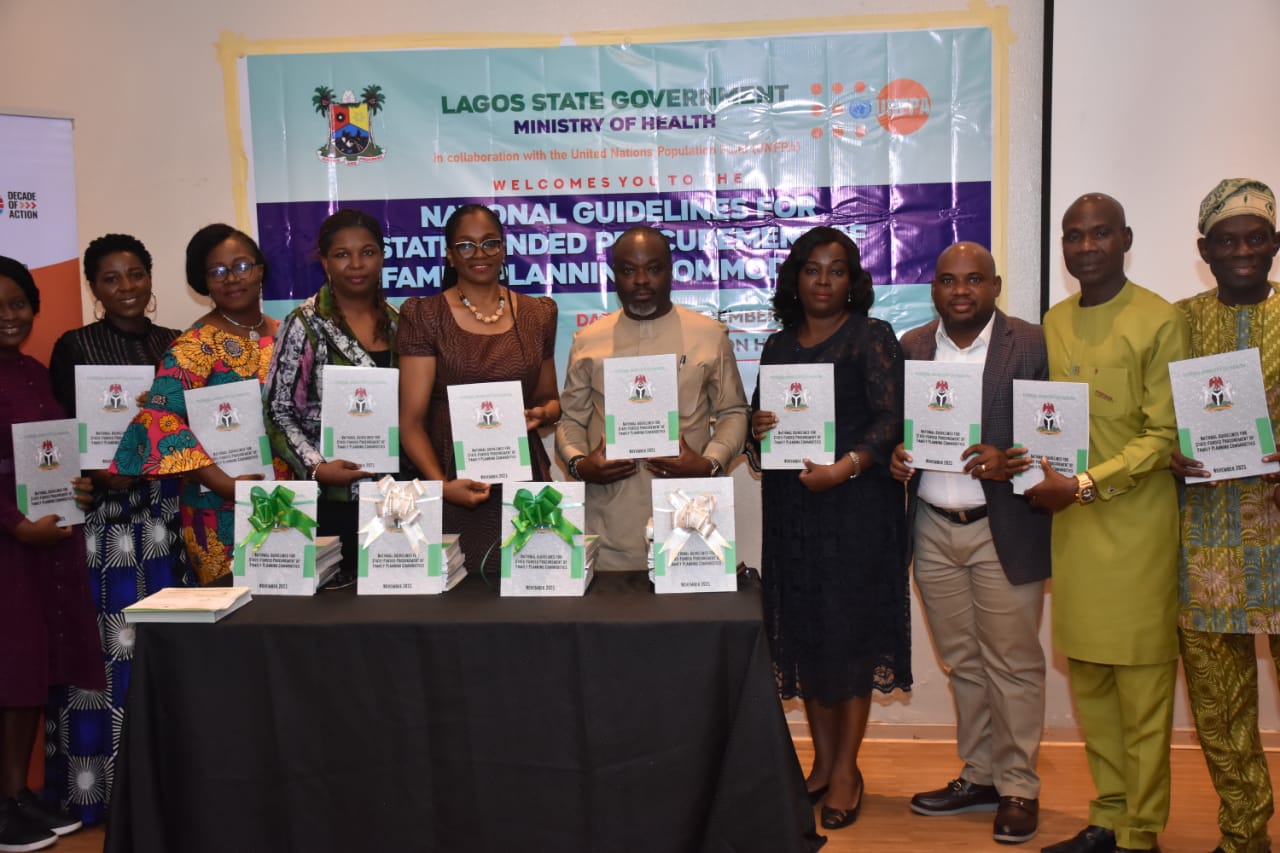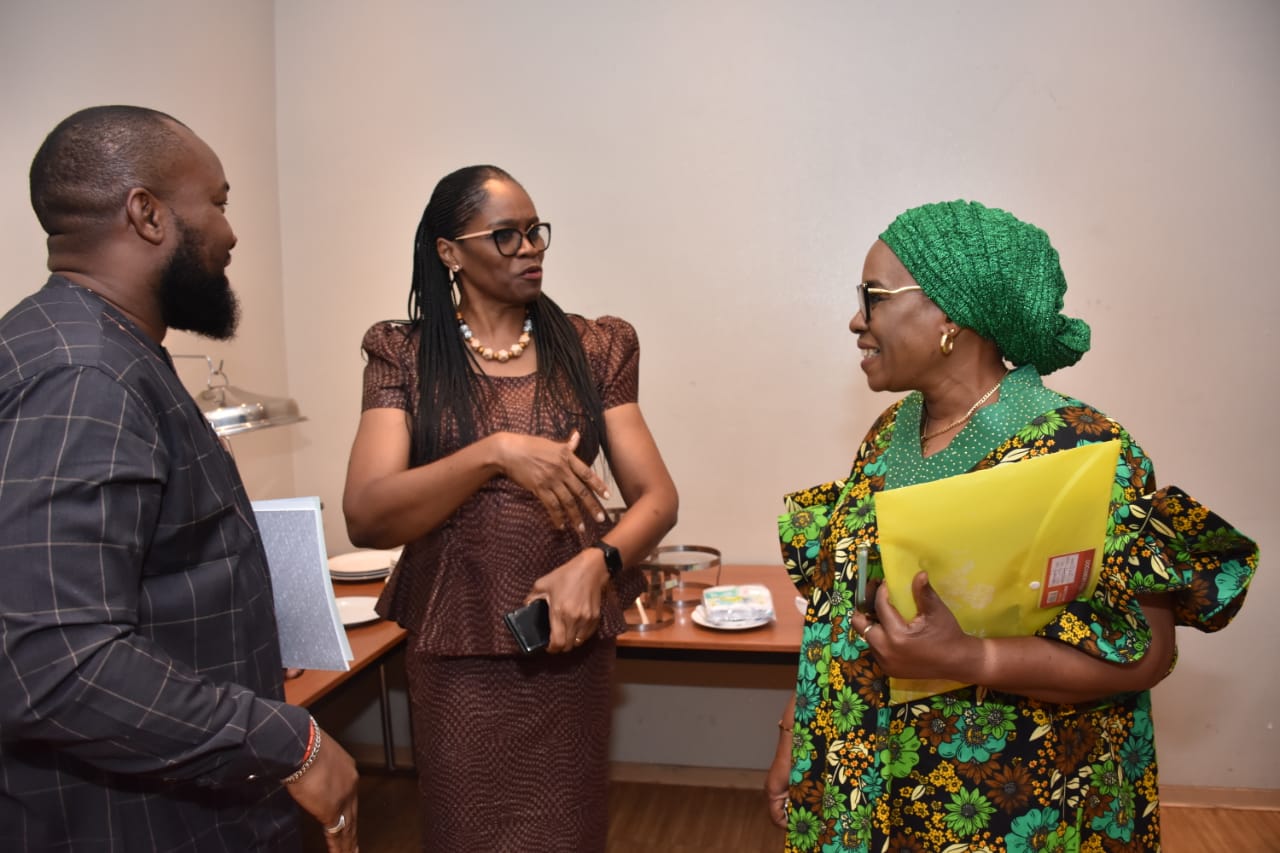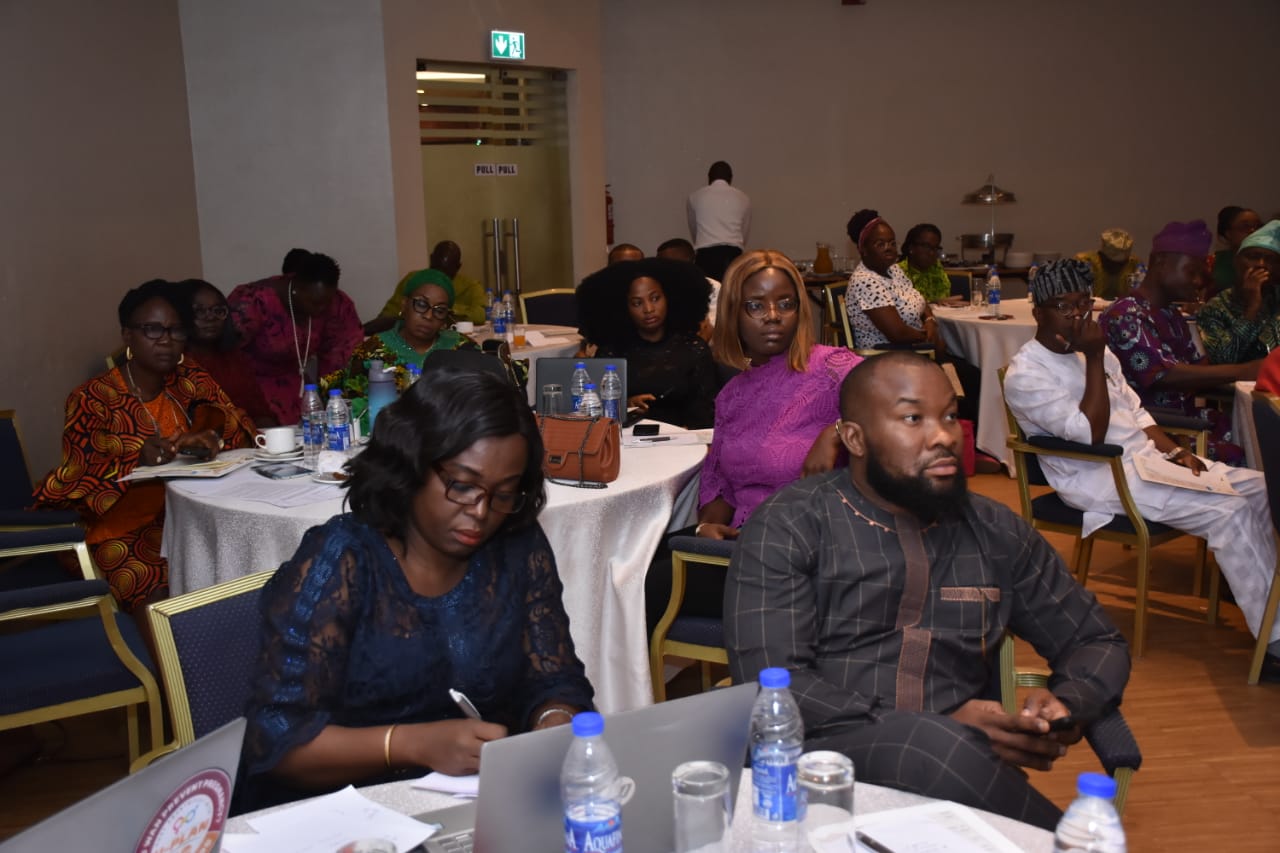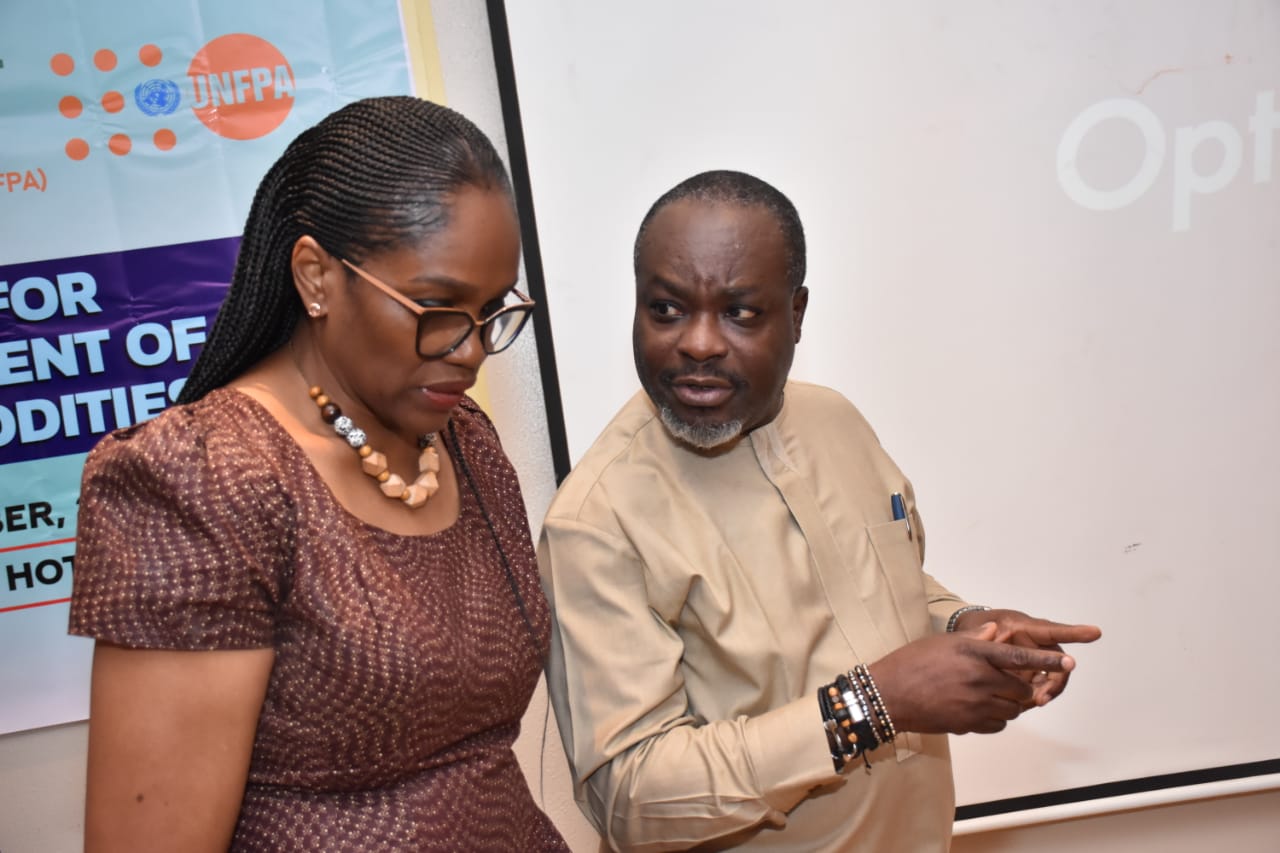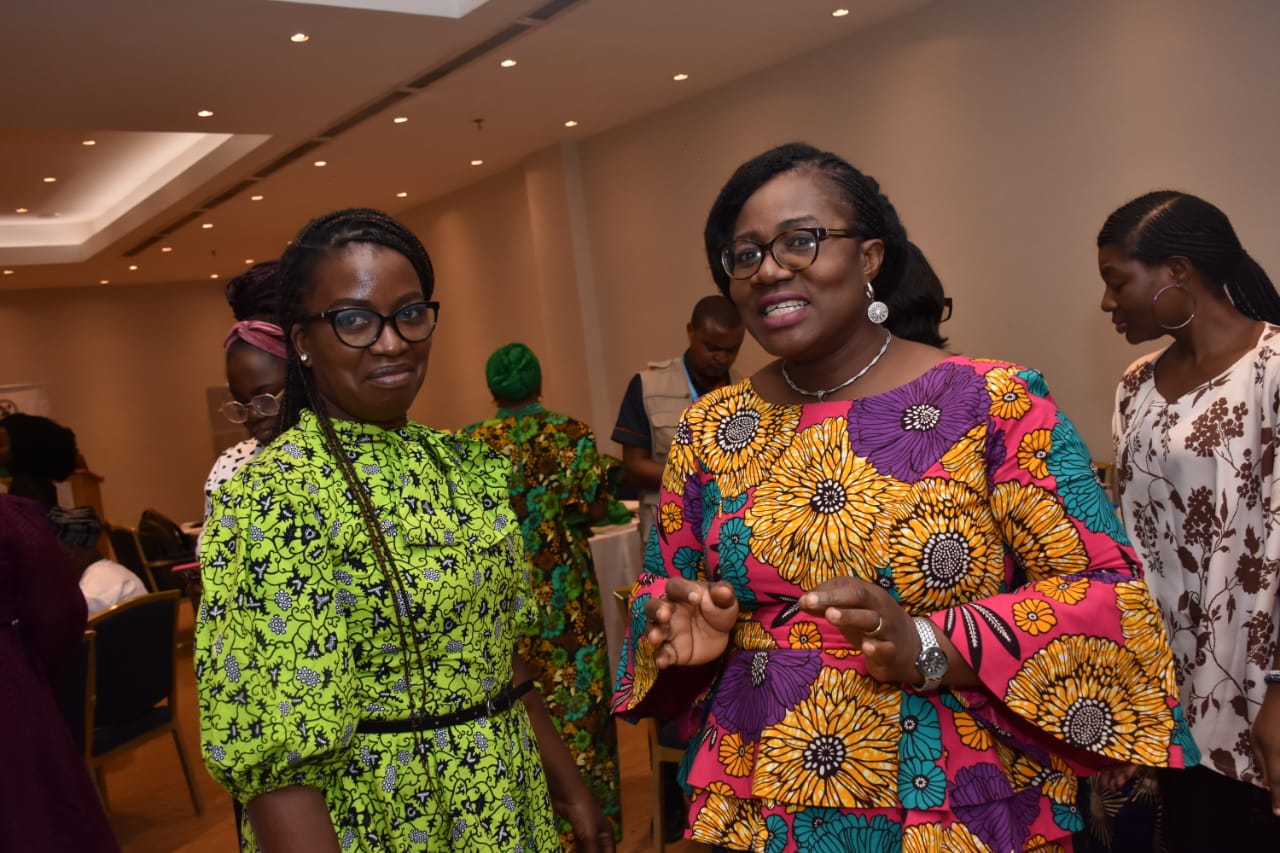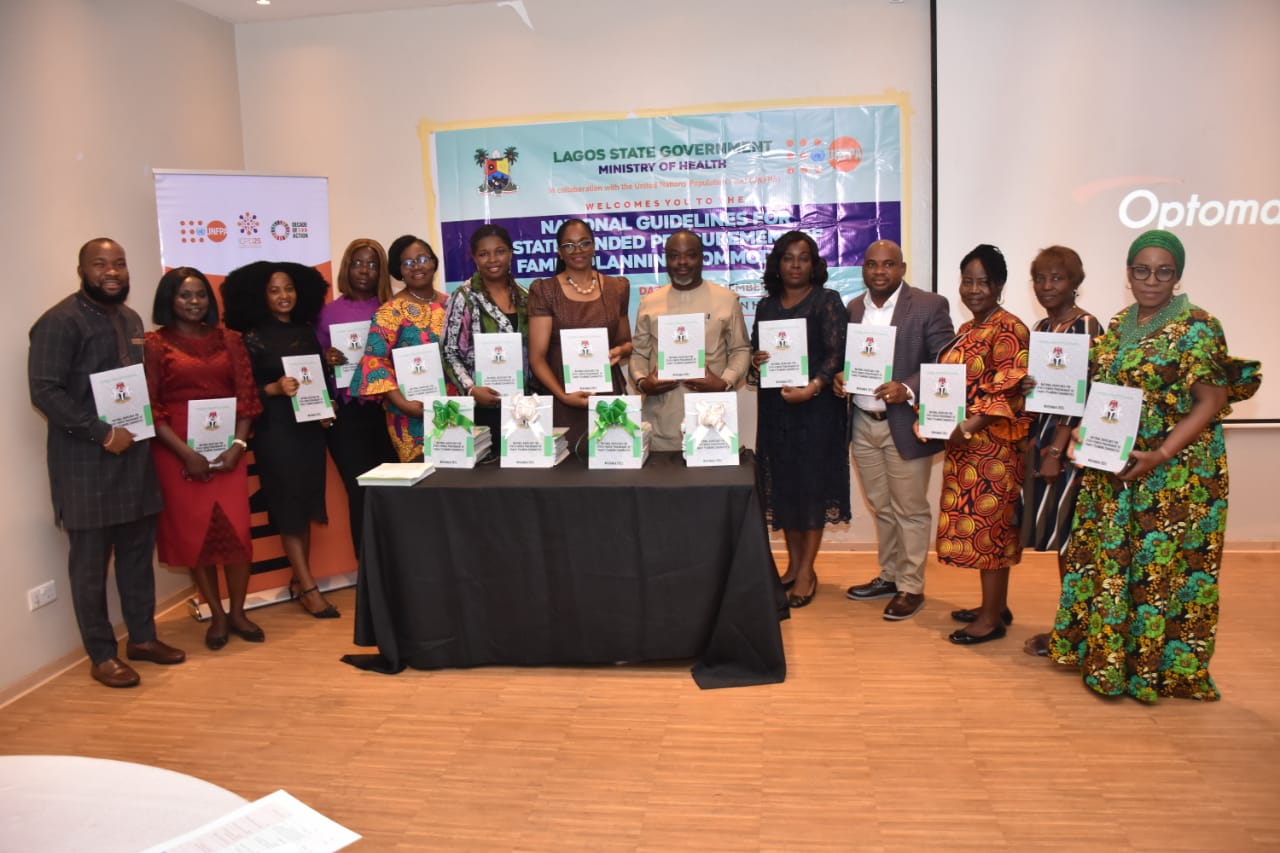
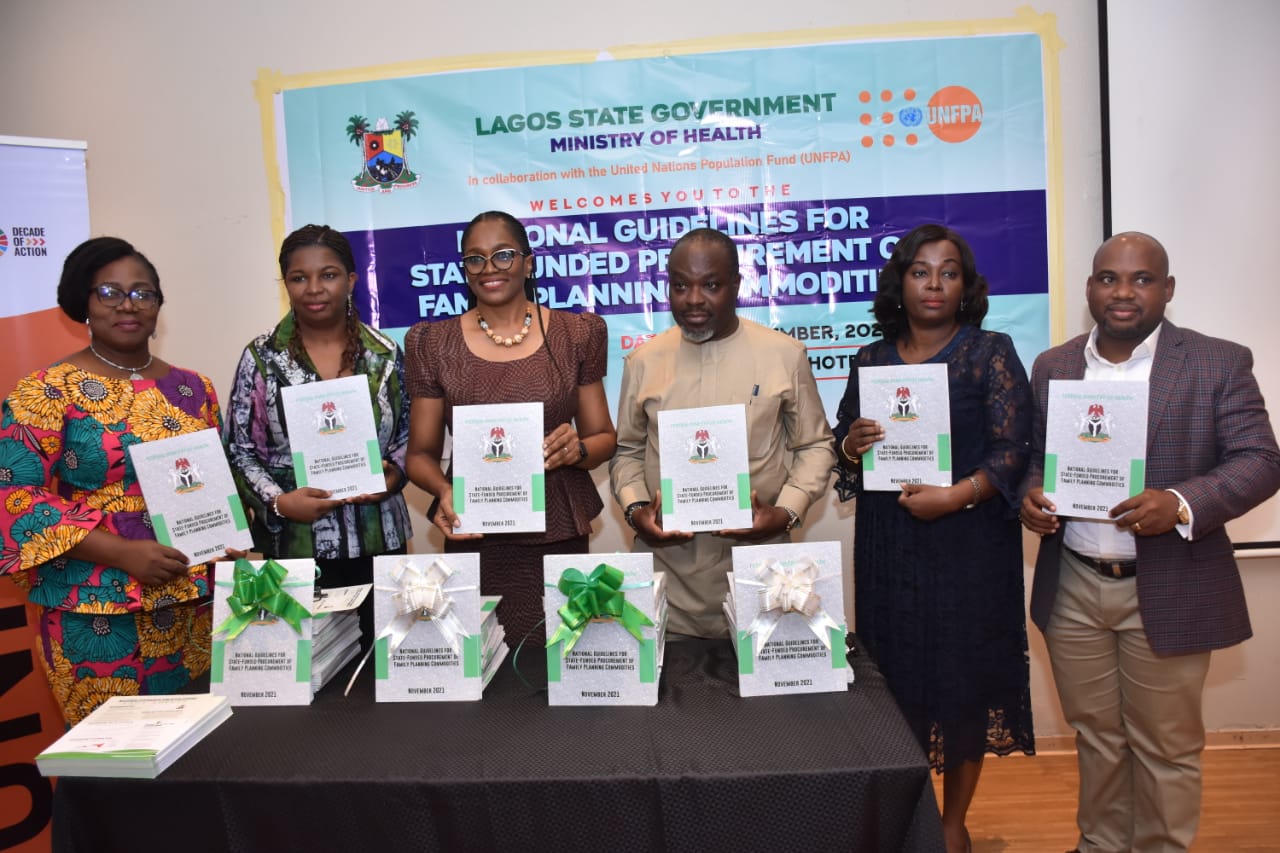
Lagos State Government has officially launched and disseminated comprehensive guidelines concerning State-funded procurement of family planning commodities. This document highlights and underscores the pivotal roles of stakeholders involved in the acquisition process of these vital resources.
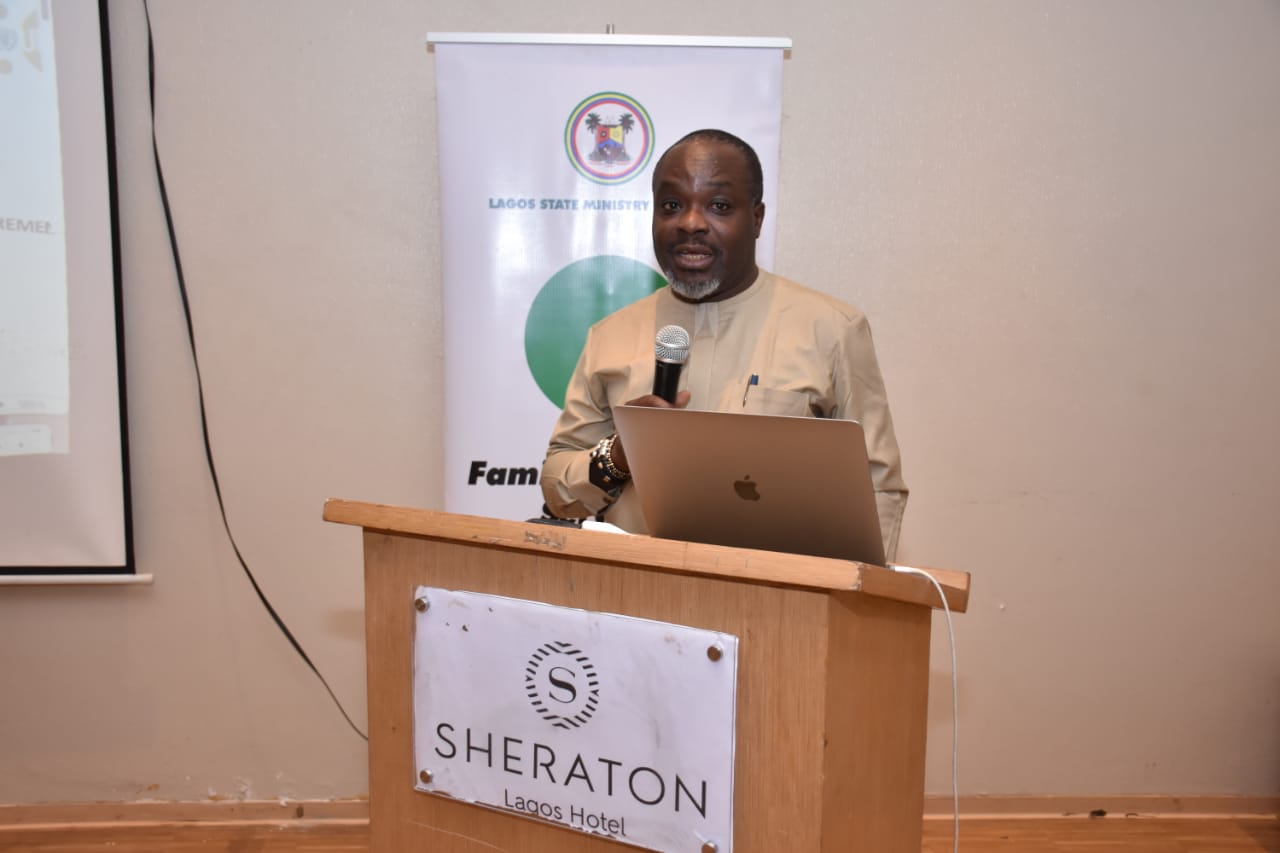
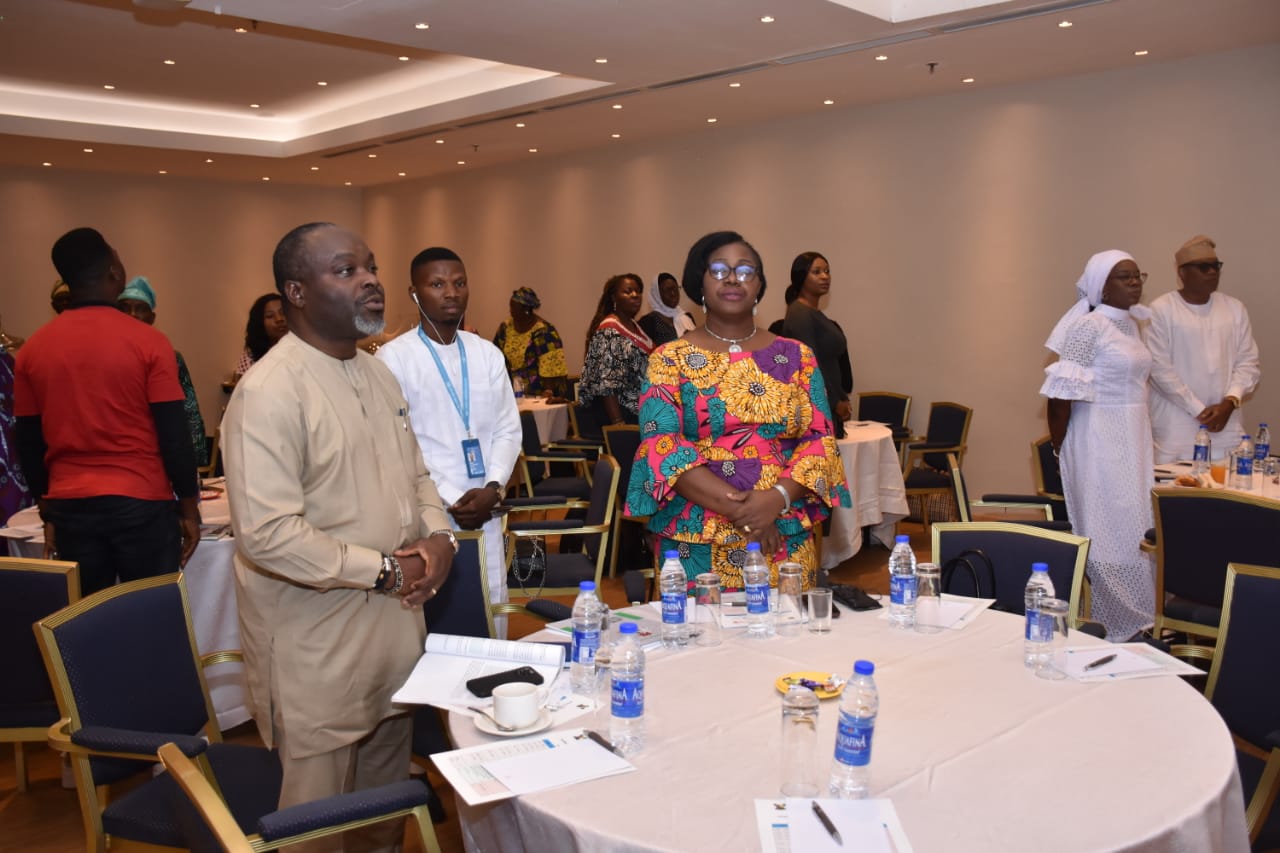
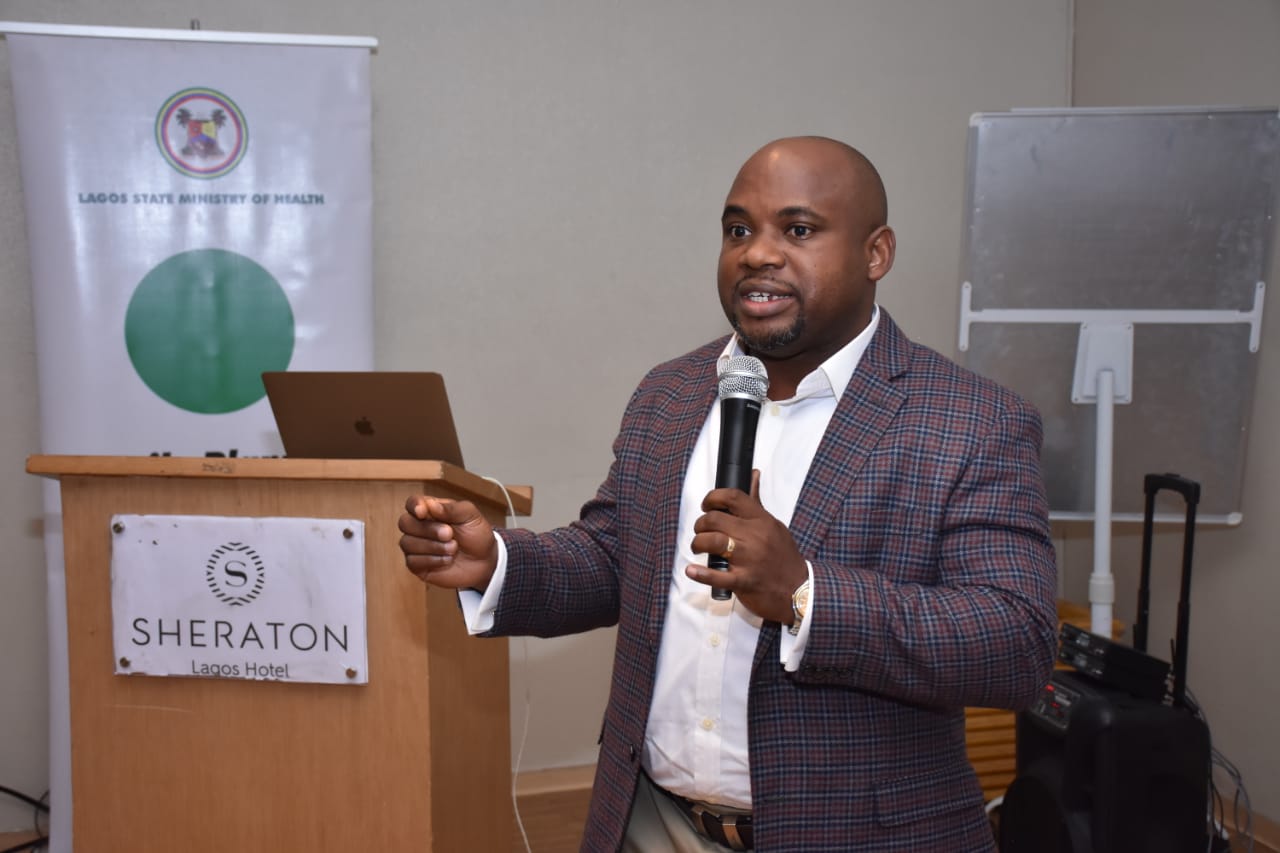
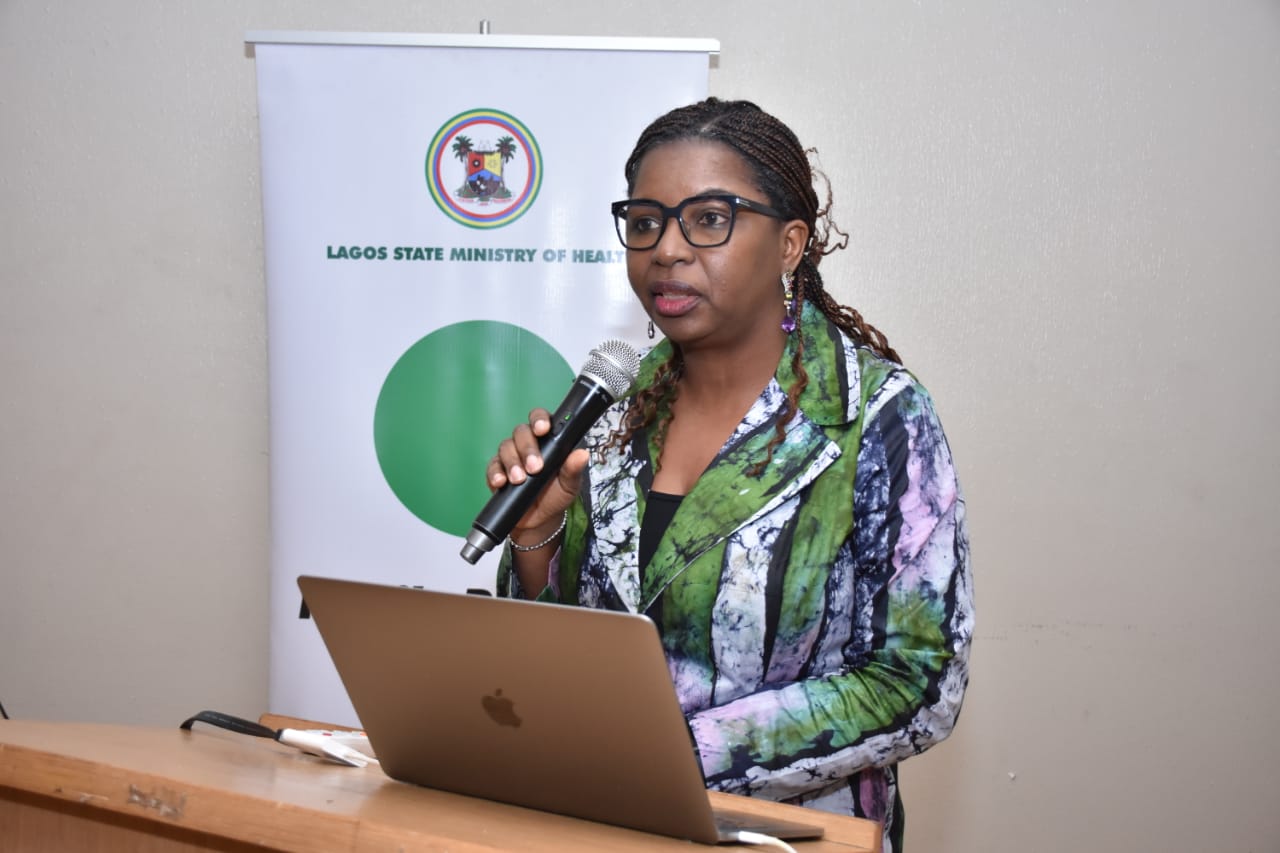
Developed in alignment with the National Guidelines for State-funded procurement of family planning commodities, this document highlights stakeholder responsibilities throughout the procurement journey. The launch, in collaboration with the United Nations Population Fund (UNFPA), occurred during a dedicated workshop for stakeholders at Sheraton Hotel, Ikeja recently.
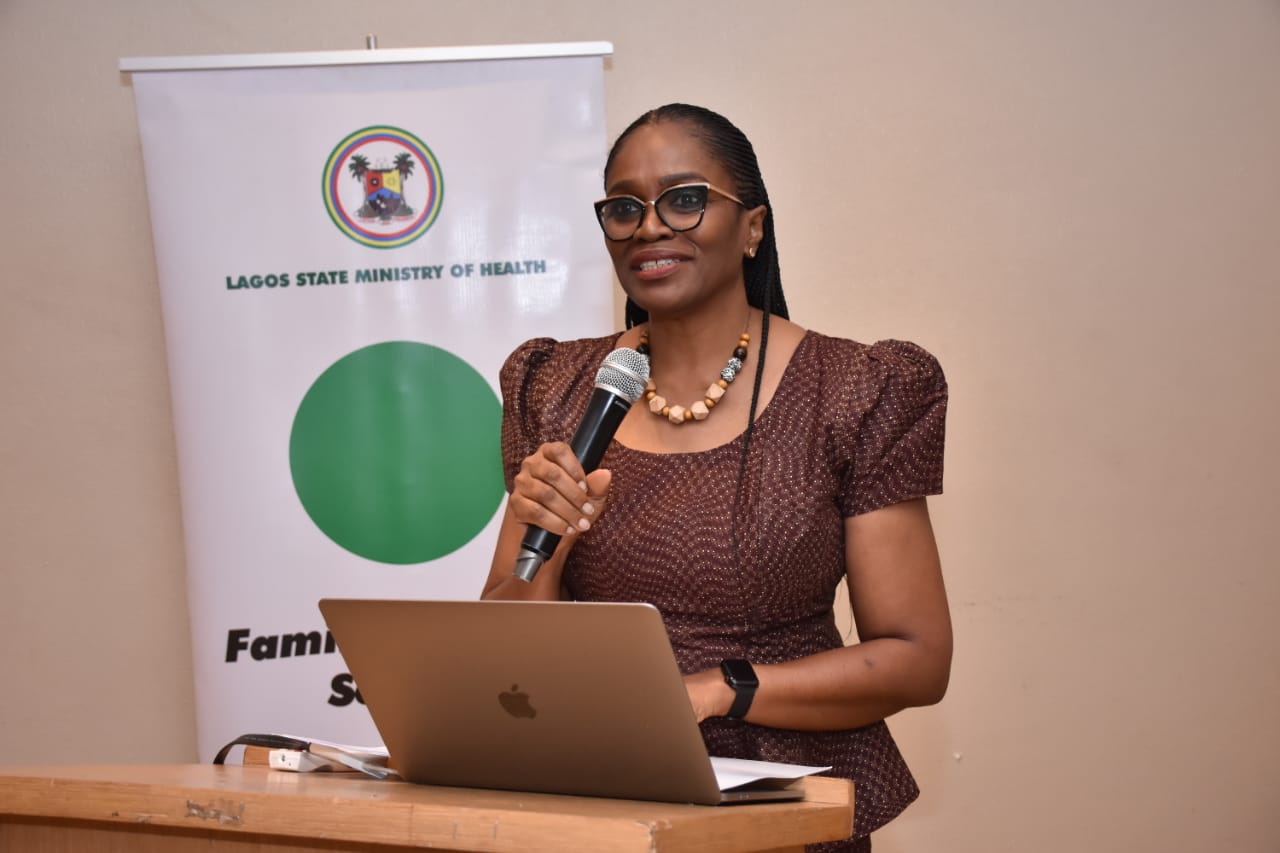
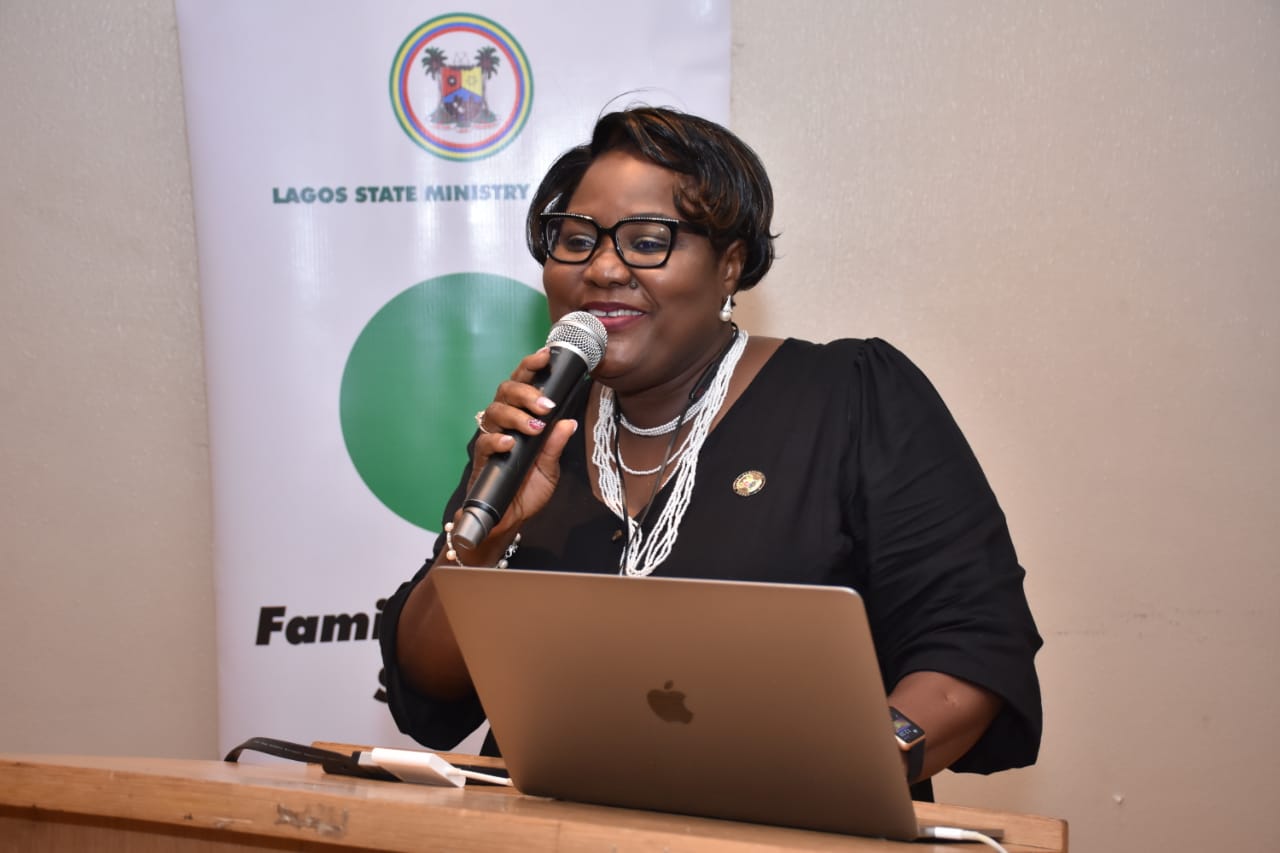
During the document’s launch, Special Adviser to the State Governor on Health, Dr. (Mrs.) Kemi Ogunyemi emphasized the importance of this initiative. She pointed out that the document’s aim is to ensure sustainability amid reduced funding, recommending that states initiate the procurement of family planning commodities to supplement Federal Government supplies.
Dr. Ogunyemi reiterated that family planning remains a crucial strategy for achieving a nation’s health and development goals, aligning with the Sustainable Development Goals by 2030. Universal access to family planning holds one of the highest cost-benefit ratios among various policy options for development.
Furthermore, she highlighted Lagos State’s concerted efforts in achieving a target contraceptive prevalence of 34%, attributing success to collaborative strategies developed with stakeholders for effective family planning service implementation.
Dr. Ogunyemi stressed the socio-economic benefits arising from universal access to family planning, including improvements in women’s and children’s education, increased women’s earnings, and a reduction in poverty.
“Achieving universal access to family planning has one of the highest cost benefits ratios among a wide choice policy options for development. The social and economic benefits for women their families and their societies at large results in improvement in women’s and children’s education an increase in women’s earnings and further reductions in poverty”, she said.
Affirming the government’s commitment, the Special Adviser assured funding for procurement and last-mile distribution of commodities by 2024. She acknowledged the significant private sector contribution to service delivery, aiming for intentional collaborations to ensure sustained access. Additionally, she noted the inclusion of comprehensive family planning services, except permanent methods, in the Lagos State health scheme in partnership with the Lagos State Health Management Agency.
“We recognize the large private sector that exists and accounts for over 60% of service delivery, so we must be intentional about how we can work with them to ensure continued access in that space. We have also worked with the Lagos State Health Management Agency (LASHMA) to include a full compliment of family planning services excluding the permanent methods in the Lagos State Health Scheme”, she said.
Permanent Secretary of the Ministry of Health, Dr. Olusegun Ogboye, echoed the guideline’s goal to standardize, document, and institutionalize the procurement process. He noted that this approach aims to reduce maternal mortality stemming from unwanted pregnancies, aligning with the administration’s focus on the Health and Environment mandate of the THEMES PLUS agenda.
Dr. Ogboye affirmed the present administration’s commitment to social inclusion, emphasizing strategies to enhance accessibility of family planning commodities for all.
Lagos State Ministry of Health’s Reproductive Health Coordinator, Dr. Victoria Omoera urged collaborative efforts from relevant agencies, developmental partners, civil societies, private sectors, and stakeholders to support the Ministry of Health in mobilizing resources for full guideline implementation.
Officer in Charge at the United Nations Population Fund, Lagos Liaison Office, Dr. Esther Somefun reiterated the UNFPA’s dedication to improving global reproductive and maternal health. She stated that the agency remains committed to developing healthcare strategies ensuring wanted pregnancies, safe childbirth, and fulfilling the potential of every young person worldwide.