…Comparative research to test performance of RDTs versus microscopy begins across Lagos
…Lagos leads Nigeria as only state at malaria pre-elimination threshold, says Health Commissioner
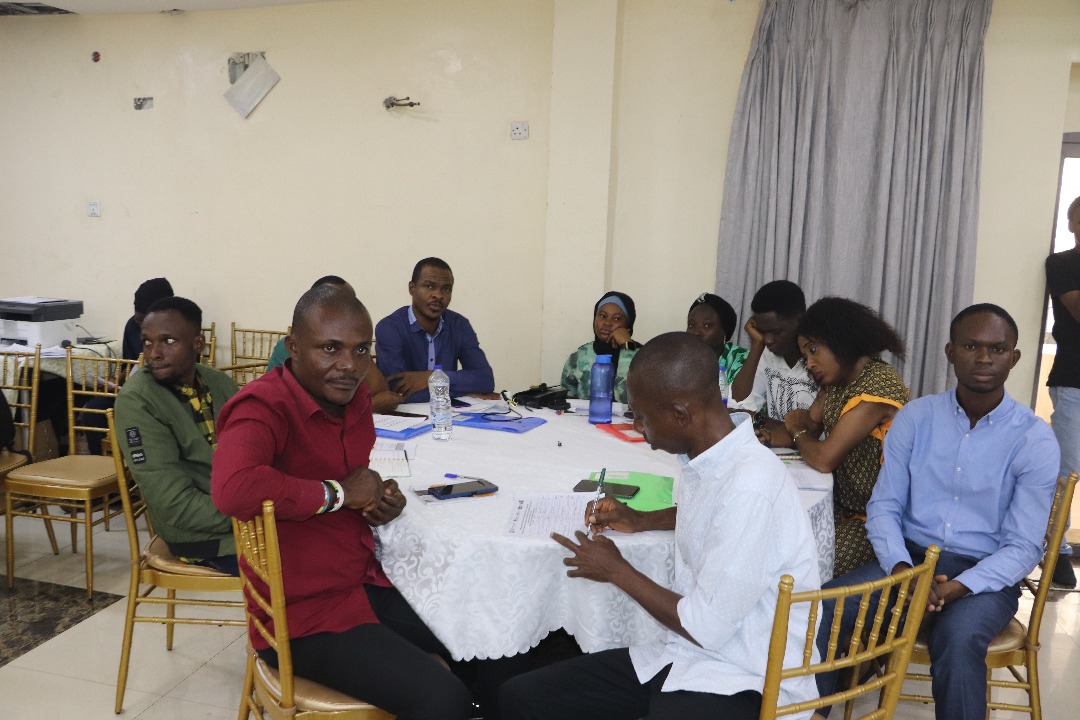
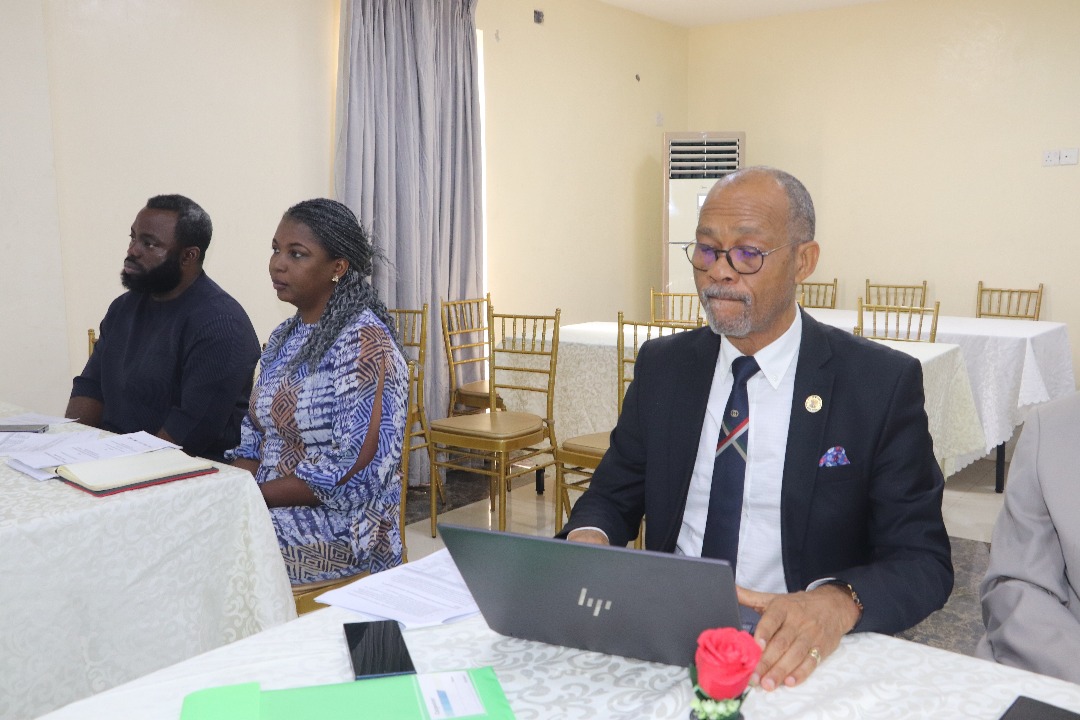
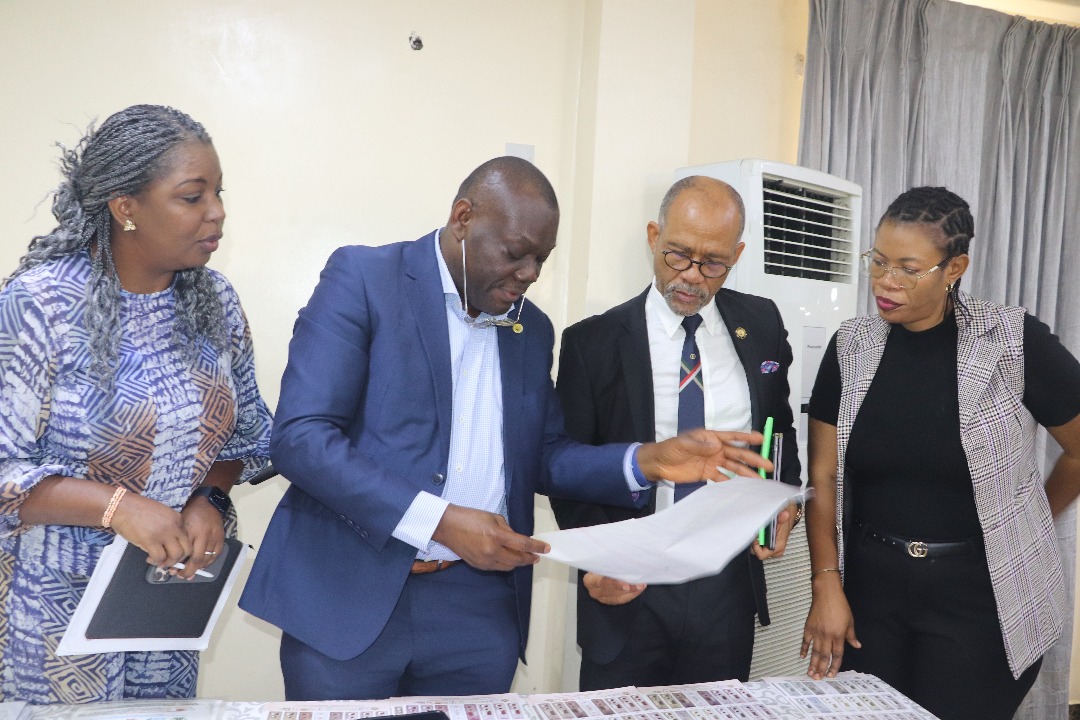
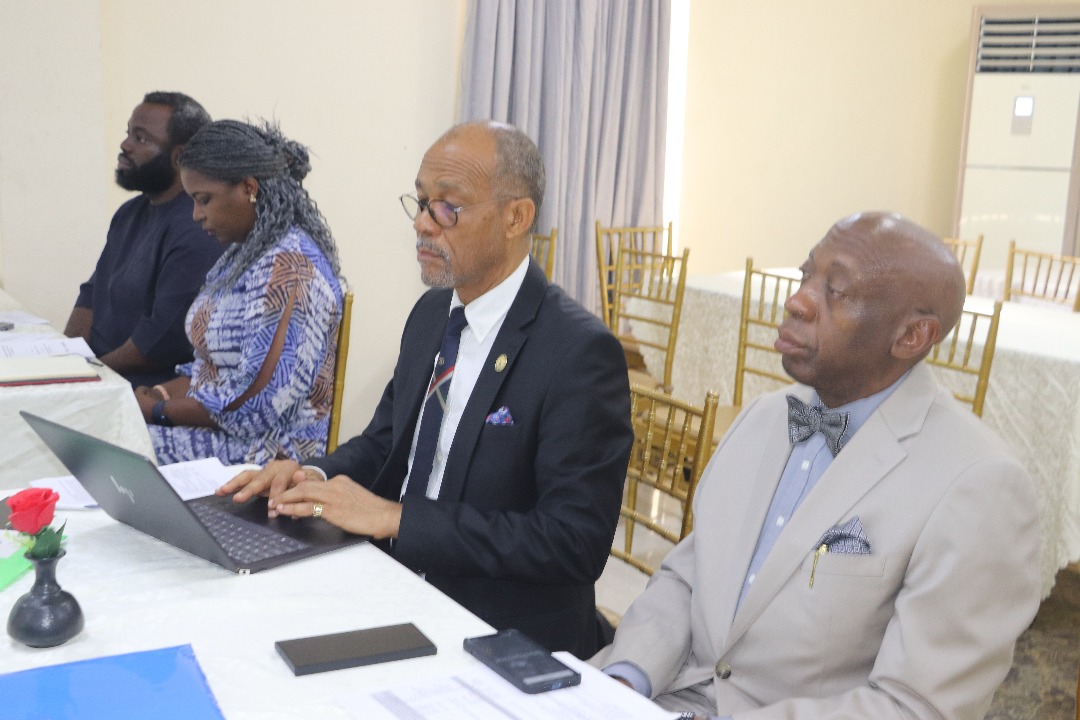
In a landmark move towards eliminating malaria and improving fever management, the Lagos State Ministry of Health in partnership with Maisha Meds and Centre for Transdisciplinary Research in Malaria and Neglected Tropical Diseases, has officially commenced a training and study initiative aimed at comparing the accuracy of malaria Rapid Diagnostic Tests (RDTs) and microscopy. The research also assesses the capacity of Patent and Proprietary Medicine Vendors (PPMVs) to manage febrile illnesses across formal and informal health settings in the state.

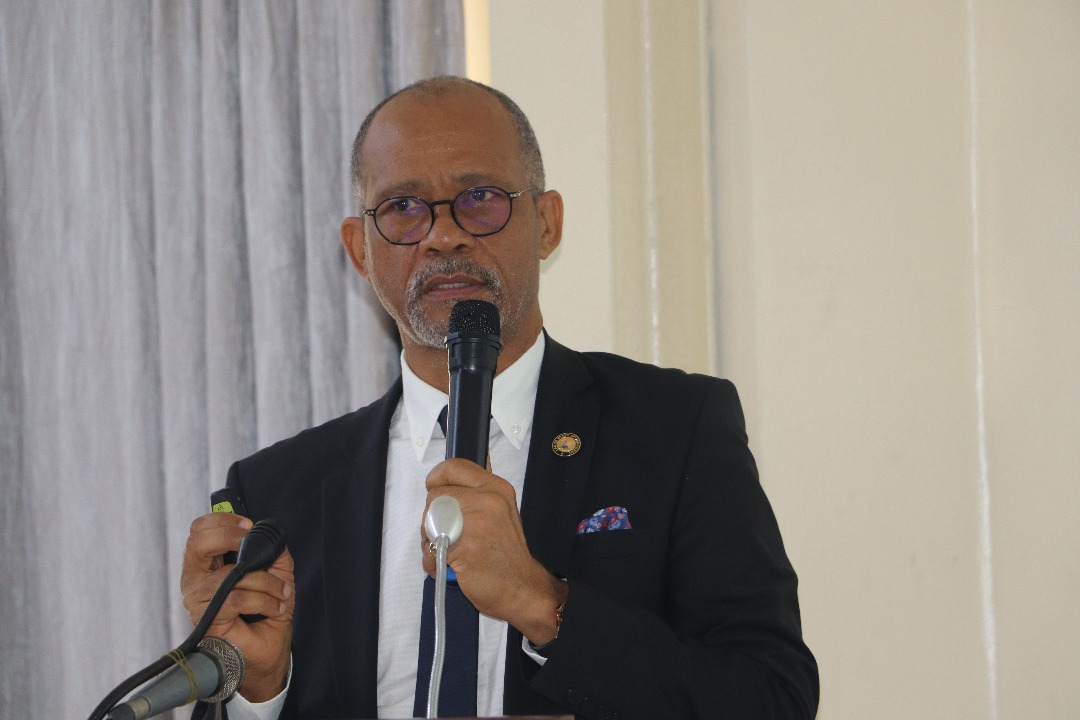
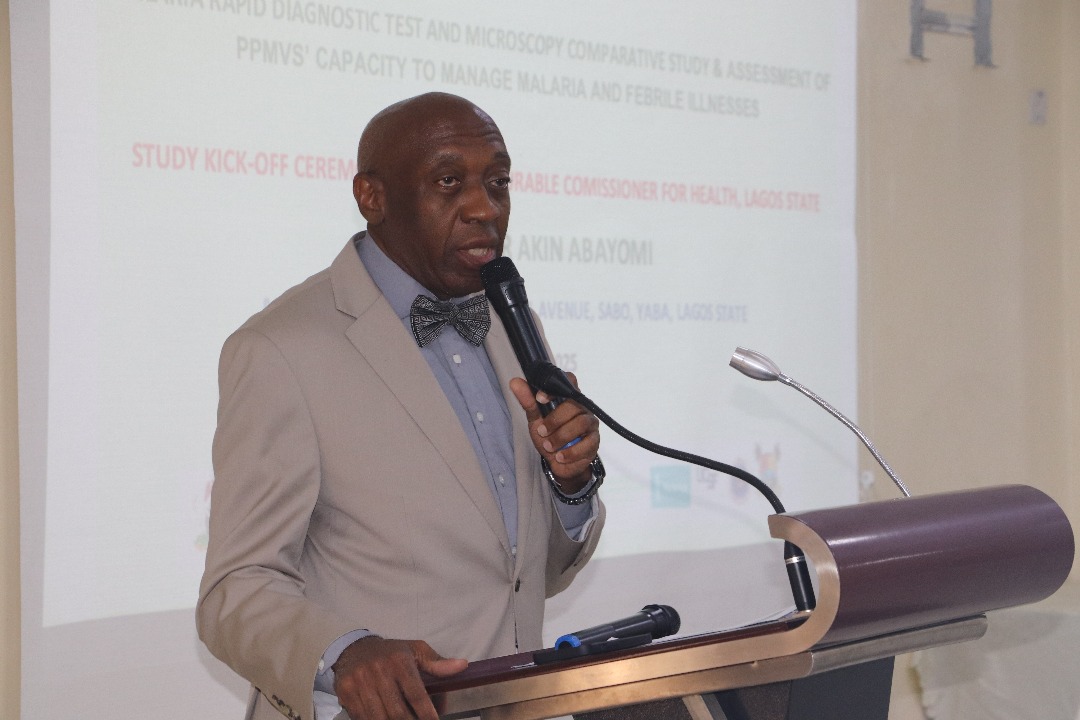
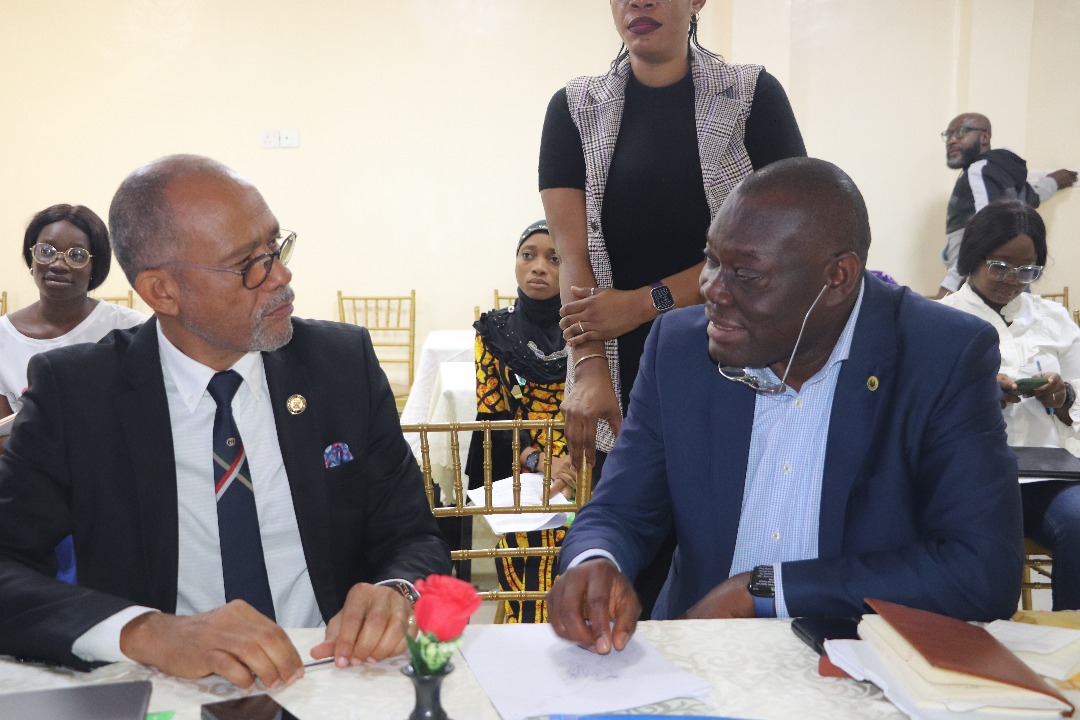
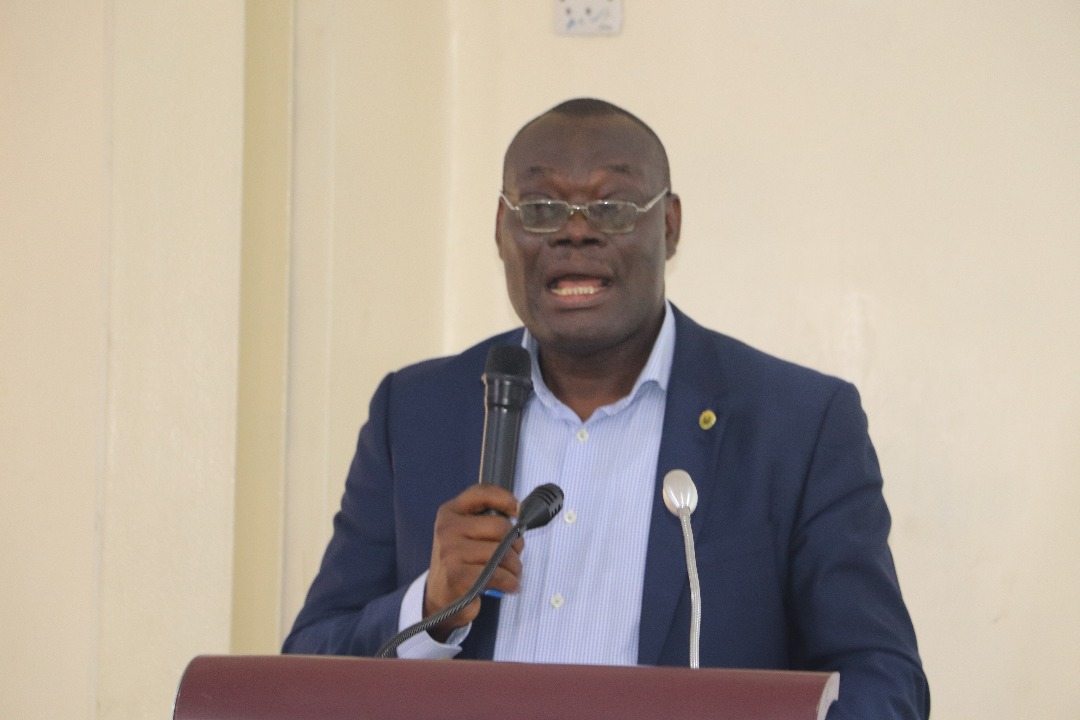
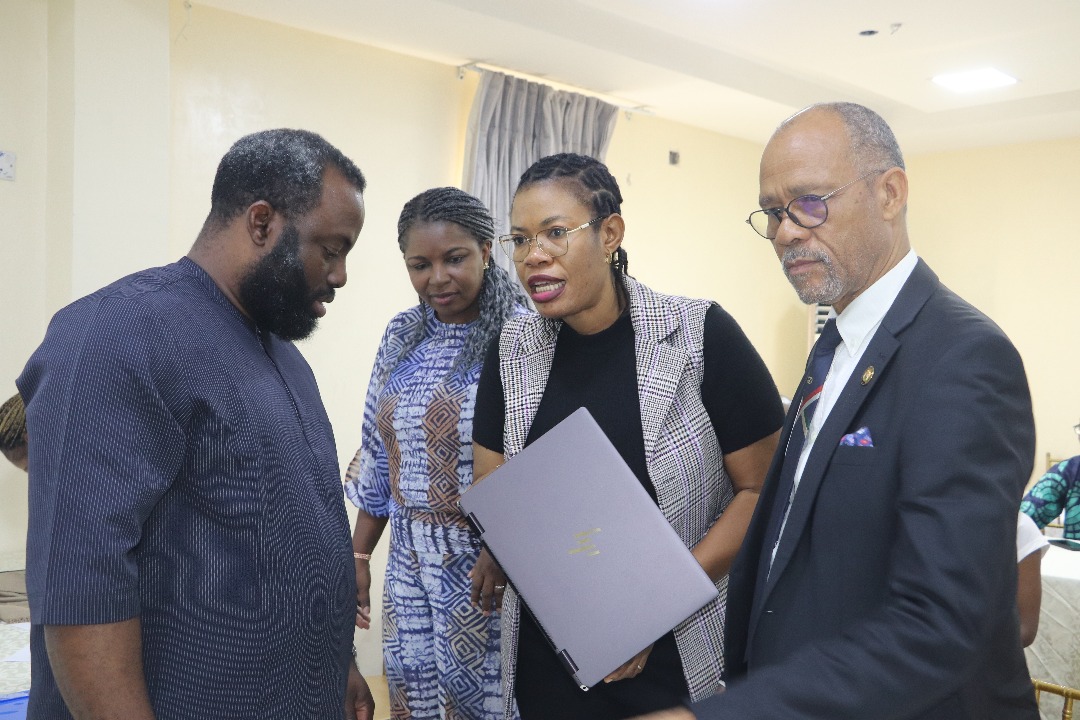
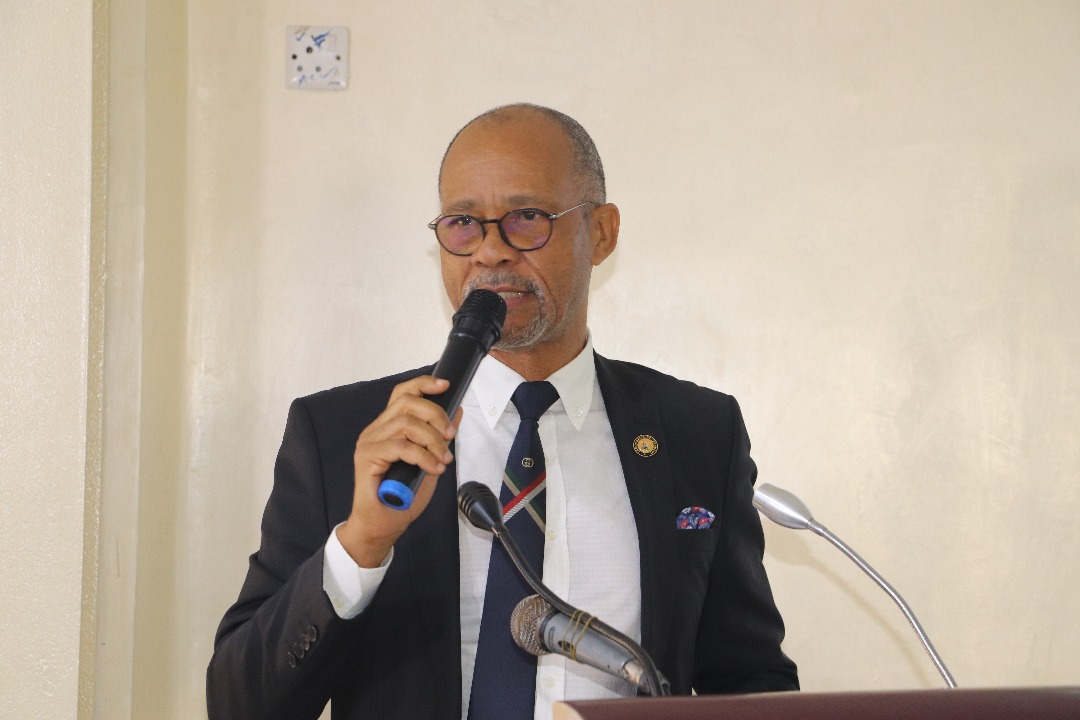
Speaking at the kick-off ceremony held at the Mulligan Hotel, Yaba, on the 20th of June, 2025, the Lagos State Commissioner for Health, Prof. Akin Abayomi, described the event as a defining moment in the State’s public health journey. He noted that Lagos is currently the only state in Nigeria that meets the epidemiological criteria for malaria pre-elimination.
“While malaria remains a public health concern, the evidence now shows that it is no longer the leading cause of fever in Lagos,” Prof. Abayomi revealed. “We are now seeing only about 1 to 2 percent malaria-related fever cases in the dry season, and 4 to 5 percent in the rainy season. This study aims to reinforce this finding and guide accurate case management,” he said.
According to the Commissioner, the research led by Professor Wellington Oyibo of the University of Lagos, is a strategic response to the growing mistrust in malaria RDT results among healthcare providers and the public. “It’s time to change the mindset that every fever is malaria,” he declared. “Our goal is to get malaria out of the way and shift the diagnostic focus to other causes of fever such as hepatitis, dengue, and bacterial infections.”
Prof. Abayomi emphasized the operational difficulties associated with microscopy, including dependence on electricity, trained personnel, and expensive equipment. In contrast, he noted, RDTs have become more accurate, efficient, and accessible. “With the outcome of this study, we hope to inform a policy shift towards RDT-focused malaria diagnosis in Lagos State,” he added.
He also lauded the support of the World Bank for providing resources that will aid the Ministry in implementing a multi-pronged approach to malaria pre-elimination and eventual eradication in Lagos. He urged all participants and stakeholders to take the exercise seriously, noting that its success would significantly transform fever diagnosis and malaria case management in the State.
Giving insights into the study, the Principal Investigator and Director, Centre for Transdisciplinary Research in Malaria and Neglected Tropical Diseases, Prof. Wellington Oyibo described the research as timely. He stated that the study would compare the performance of malaria RDTs and microscopy in real-world conditions across selected health facilities and communities.
“We will be collecting blood samples, conducting full blood counts and exploring other causes of fever, including hepatitis and bacterial infections,” Prof. Oyibo said. “Some fevers mask serious illnesses, and we must stop treating malaria blindly. Our smart data capture system will also allow daily tracking of test results and insights from healthcare workers and patients.”
He also disclosed that the study will assess the capacity of PPMVs and community pharmacies to handle febrile illnesses correctly, while providing a referral pathway for cases that test negative for malaria. “Many patients prefer immediate care from PPMVs, but we must ensure they’re properly diagnosed and referred where necessary,” he said.
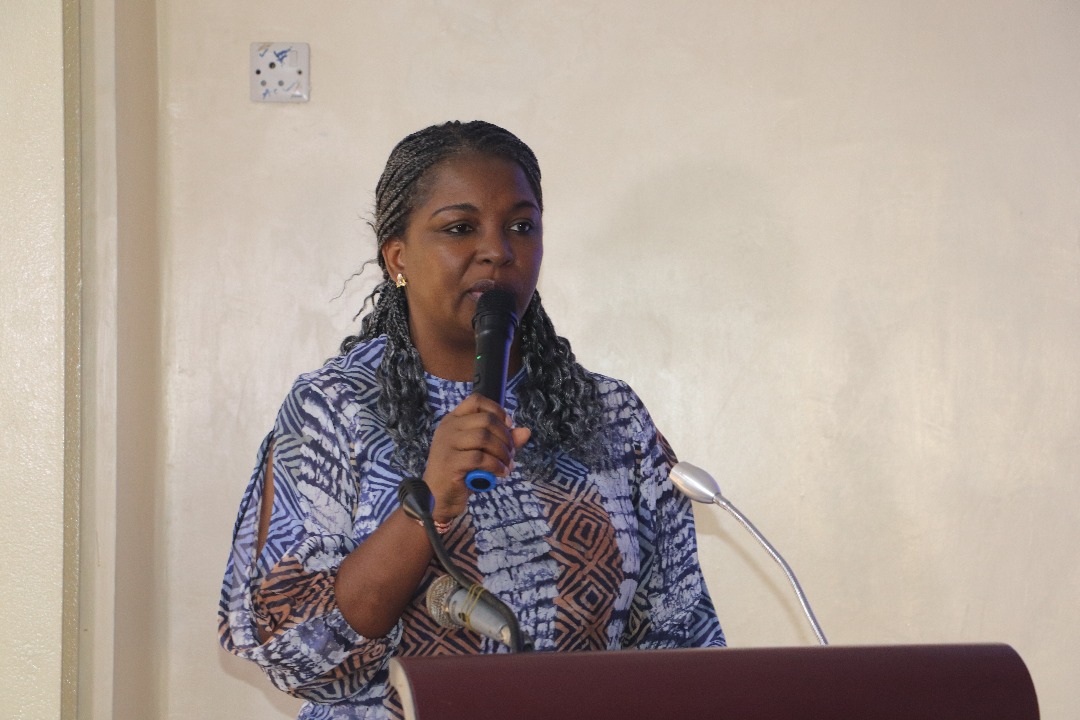
Representing the World Health Organization (WHO), malaria focal person, Lynda Ozor, described the Lagos initiative as a bold and much-needed step. “The nation is watching Lagos,” she noted. “This study has the potential to shape national strategies and help Nigeria reach its elimination targets.”
Senior Director of Maisha Meds, Dr. Olumide Okulaja, echoed similar sentiments, noting that the study would influence future malaria management policy. “We’re proud to work alongside the College of Medicine, UNILAG, and the Lagos State Ministry of Health on what we believe is a history-making initiative,” he said.
The study, which will be implemented using a mix of quantitative and qualitative research methods, is expected to build a biobank for future fever aetiology investigations and explore the readiness of providers to offer broader treatment options for malaria test-negative cases.
Key objectives of the study include assessing health providers’ knowledge, attitude and practices on fever case management; determining the diagnostic performance of Standard Q Malaria™ Pf Ag RDTs; and evaluating human resource and infrastructure capacity in private and public health facilities across Lagos.
In her remarks, Director of Disease Control at the Lagos State Ministry of Health, Dr. Victoria Egunjobi, emphasized the importance of the study for frontline health workers. “PPMVs and community pharmacists are often the first point of care. We must equip them with the right tools and knowledge,” she said.
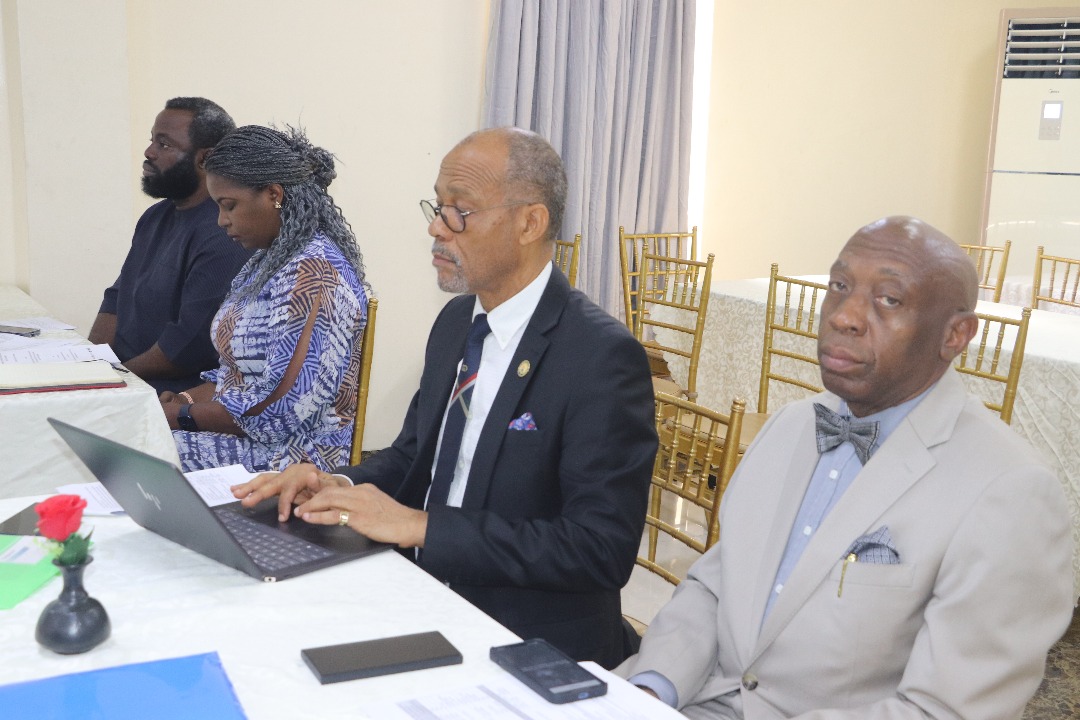
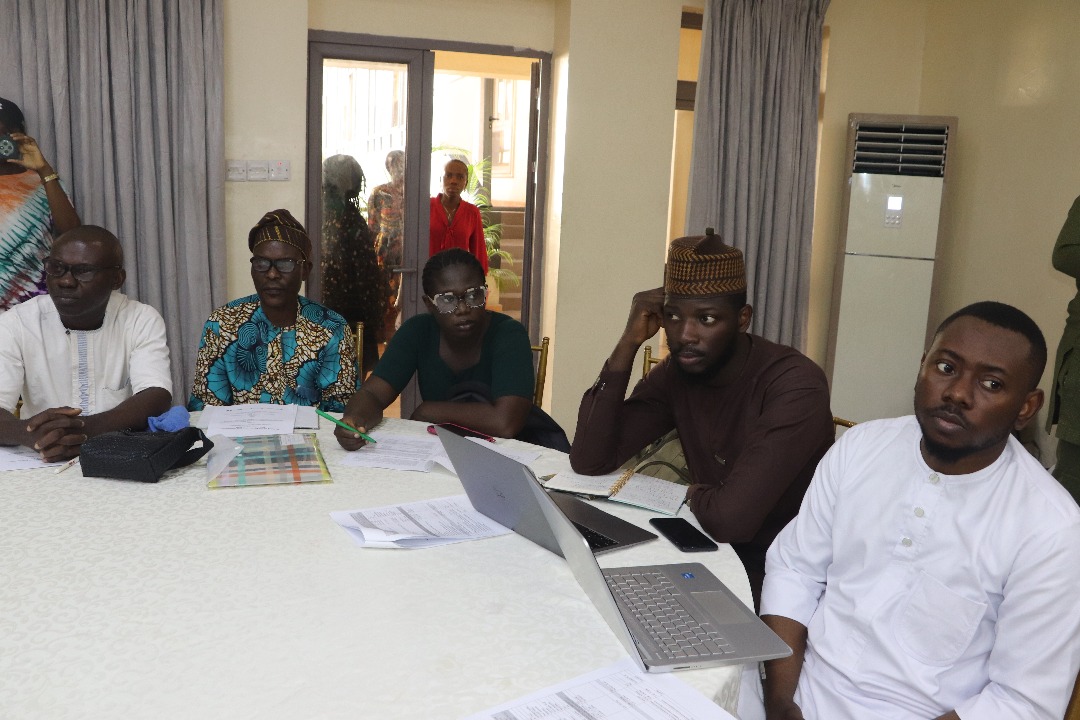
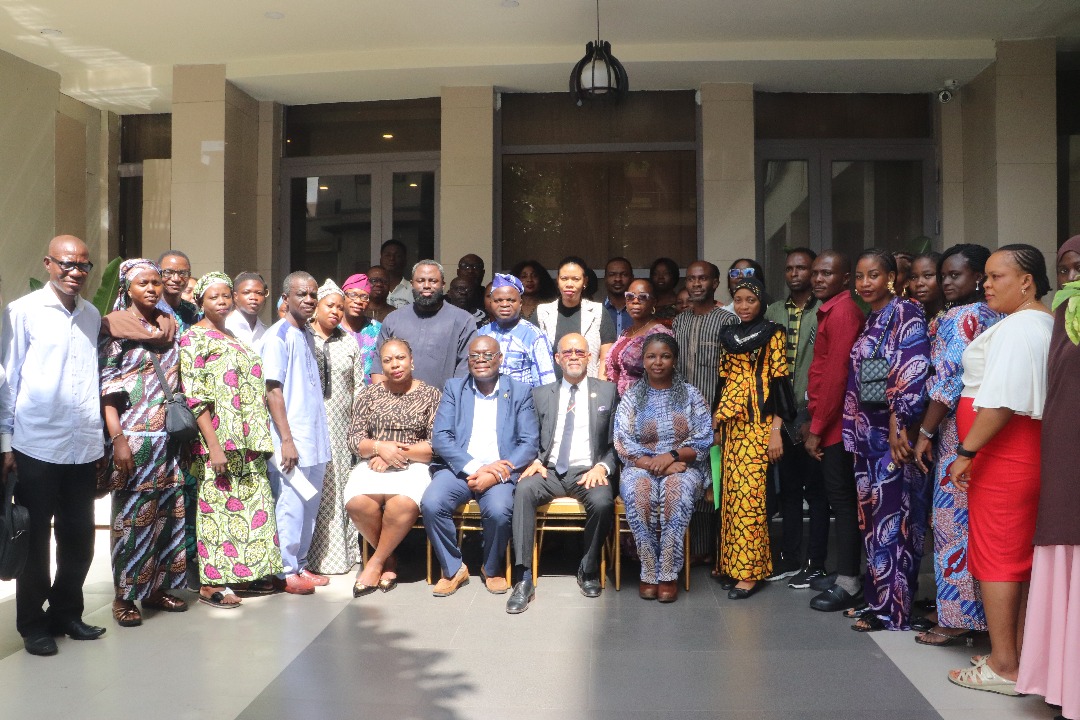
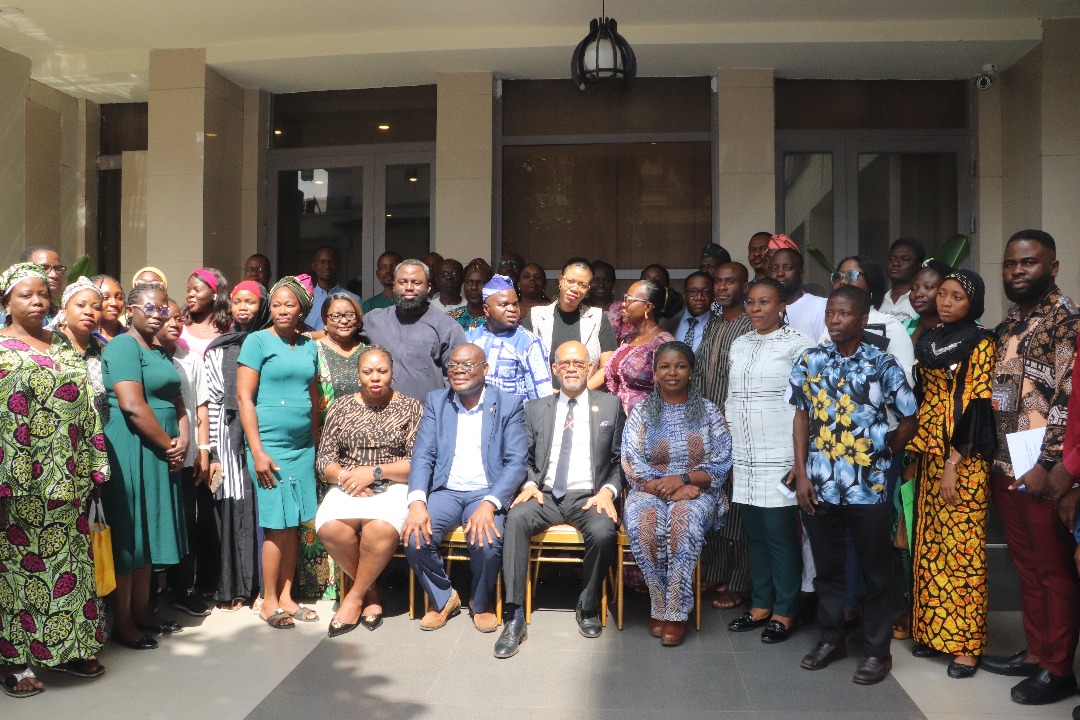
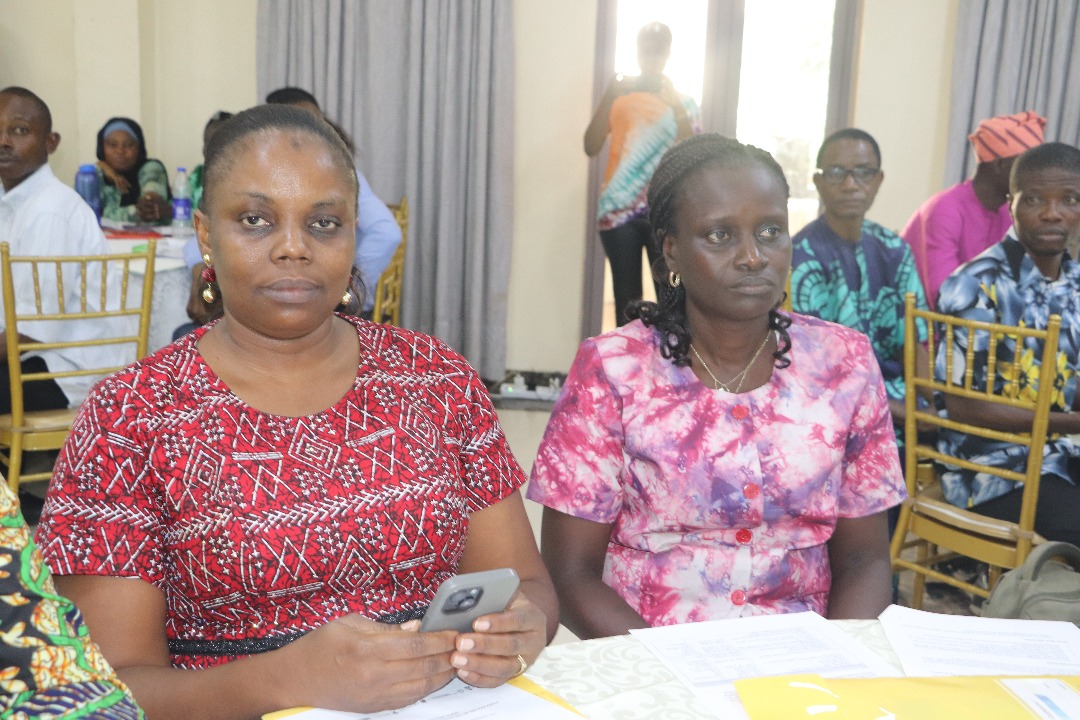
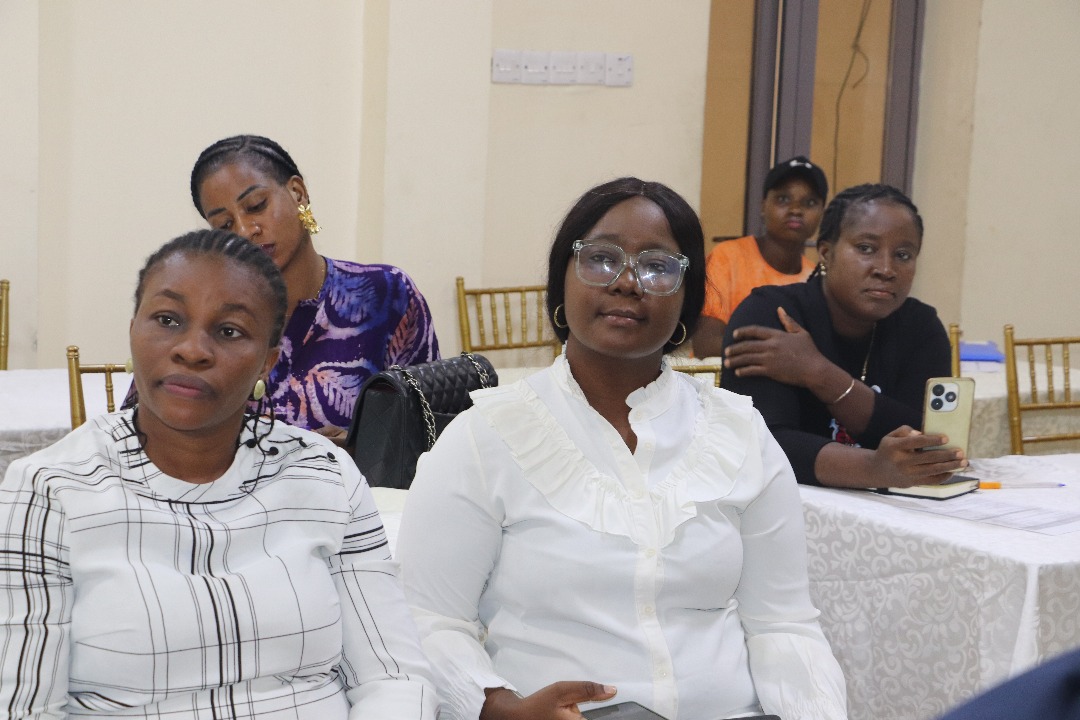
Other dignitaries at the event included the Provost, College of Medicine, UNILAG, Prof. Ademola Oremosu; Director of Healthcare Planning, Research and Statistics, Dr. Jumoke Oyenuga; and research teams, data collectors, PPMVs and community pharmacists from across the State.
With Lagos already on the verge of malaria pre-elimination, stakeholders at the ceremony agreed that this study is a pivotal next step. By shifting fever diagnosis from presumptive treatment to evidence-based clinical decisions, the State is poised to transform malaria care and set the pace for the rest of the country.