….UNFPA Facilitates Handover of Free Commodities Amid Growing Demand
….Governor’s Special Adviser Expresses Gratitude for Vital Support
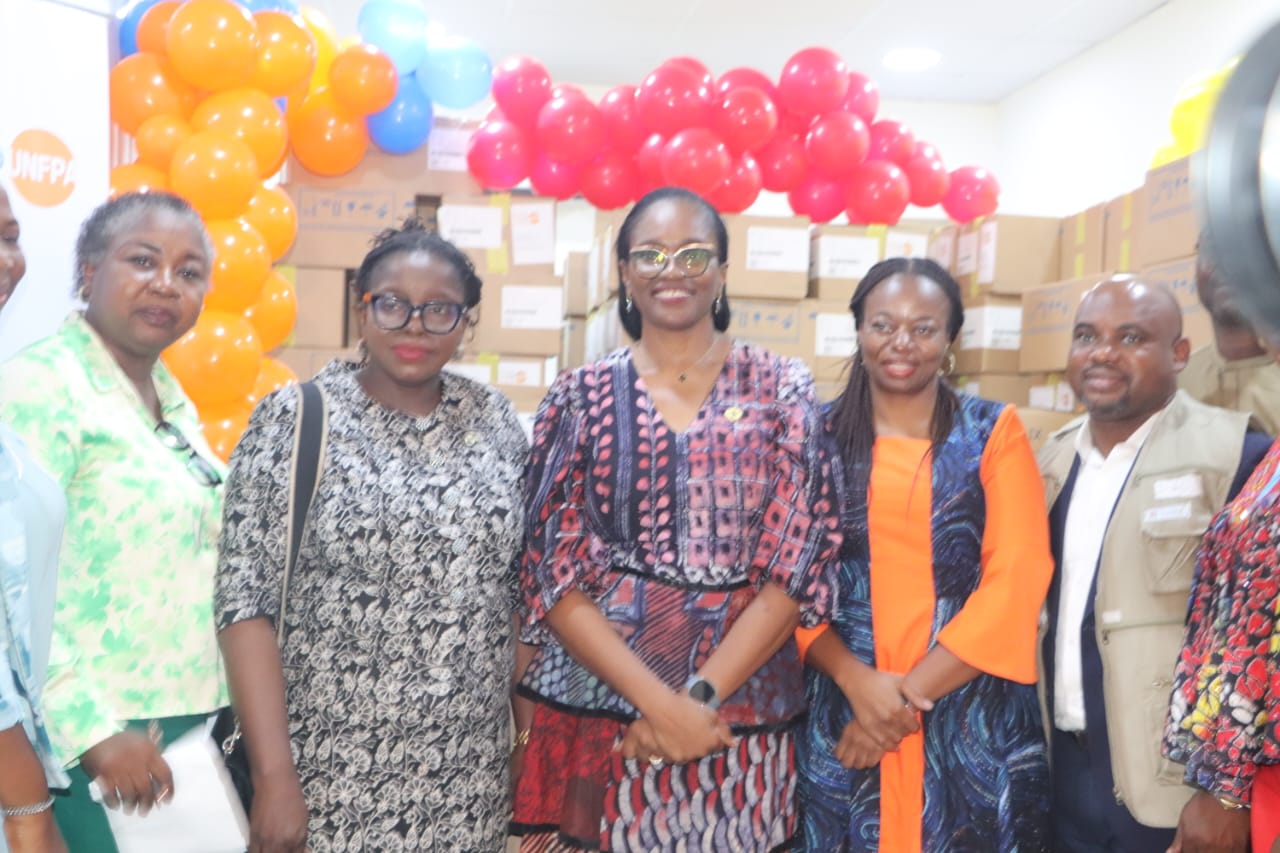
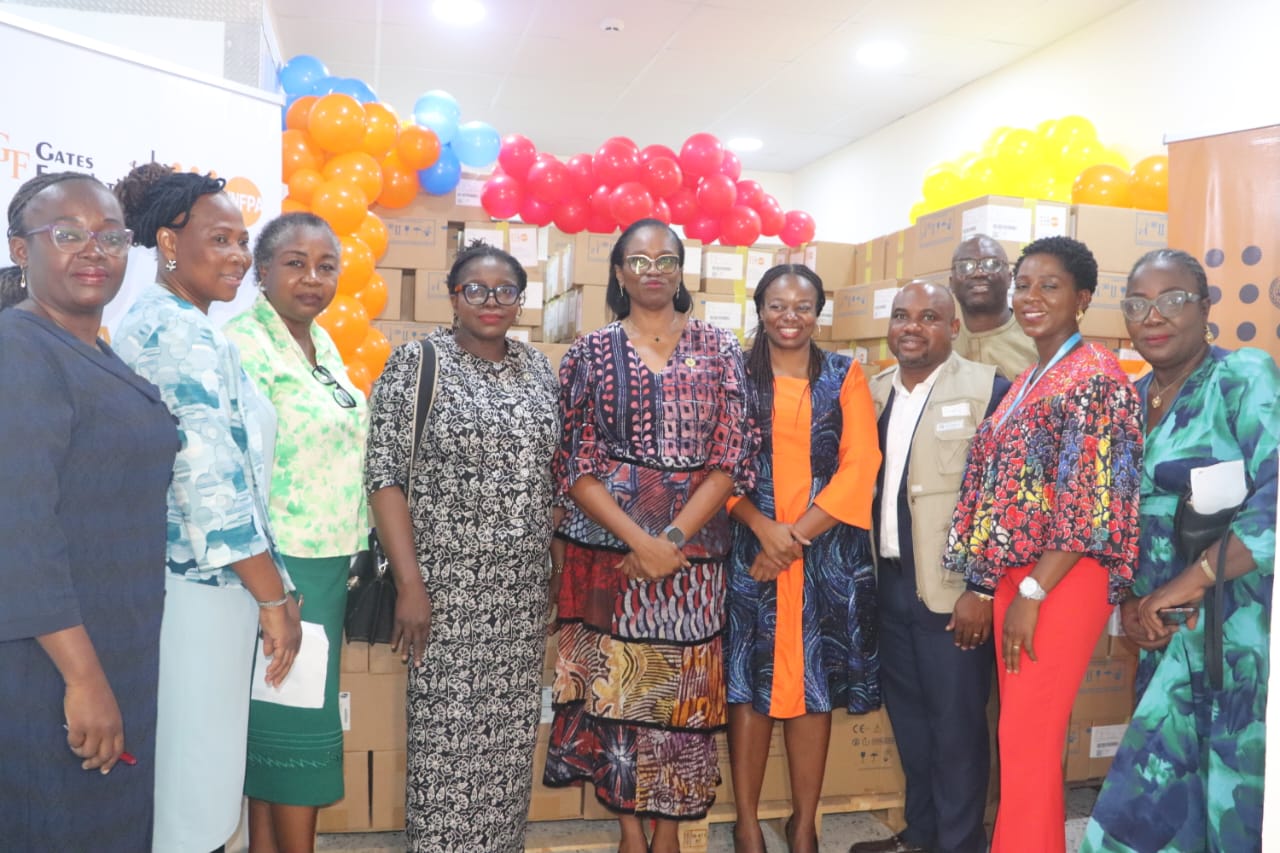
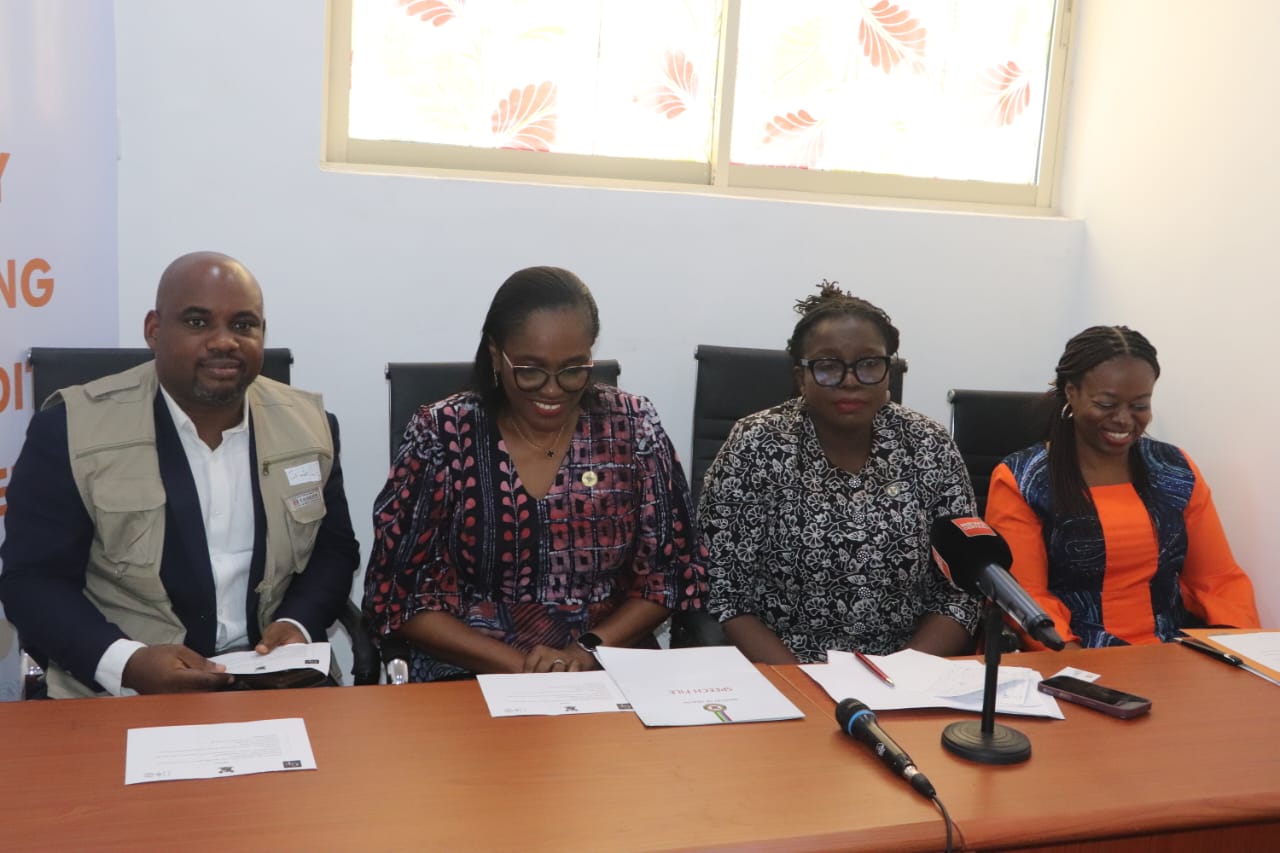
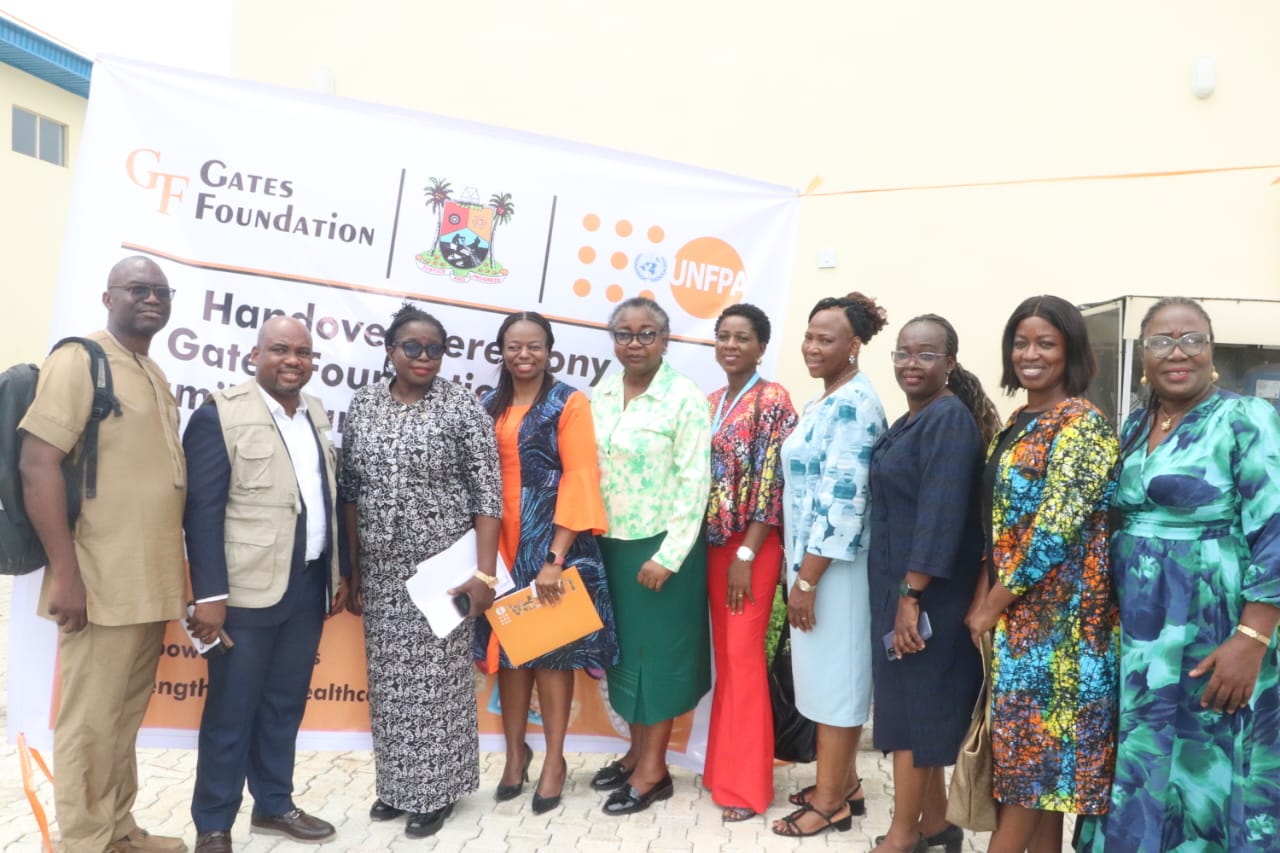
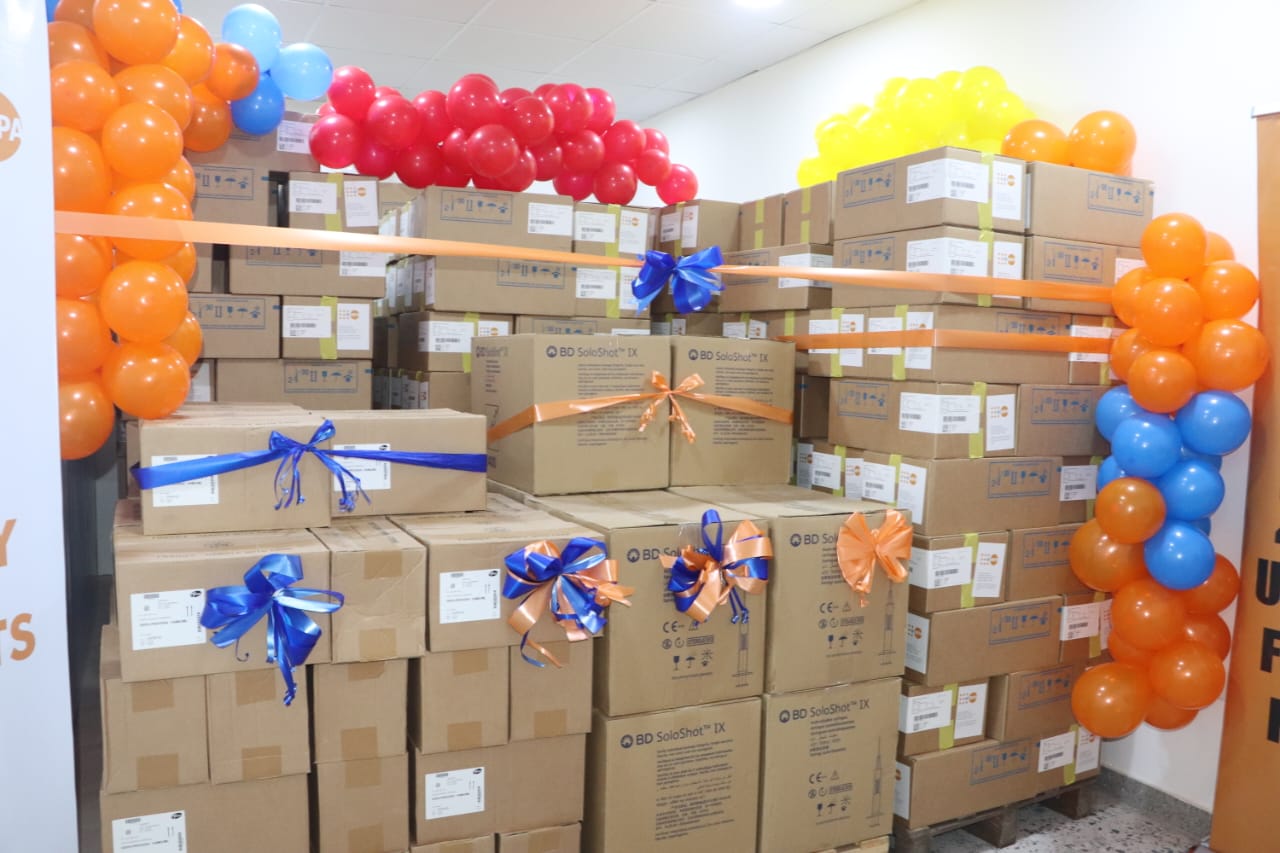
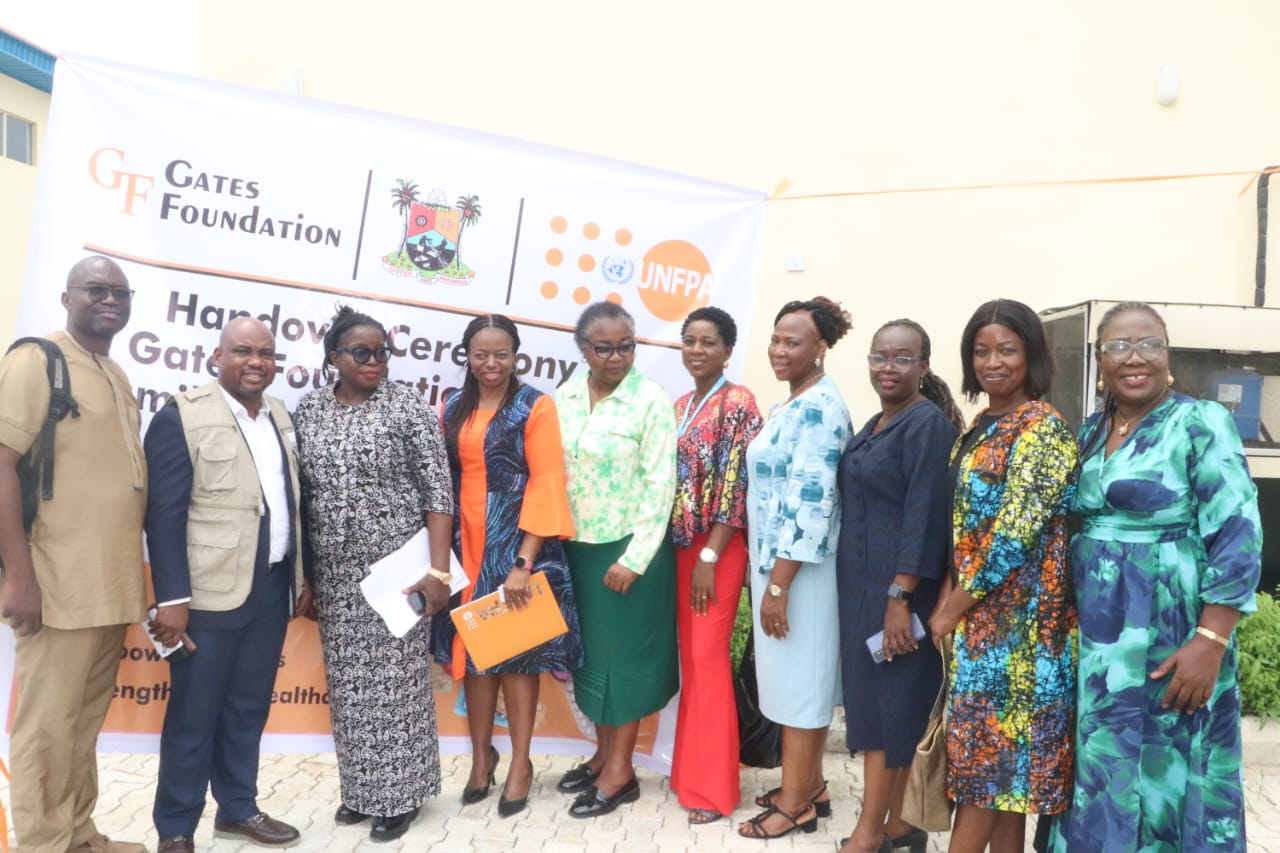
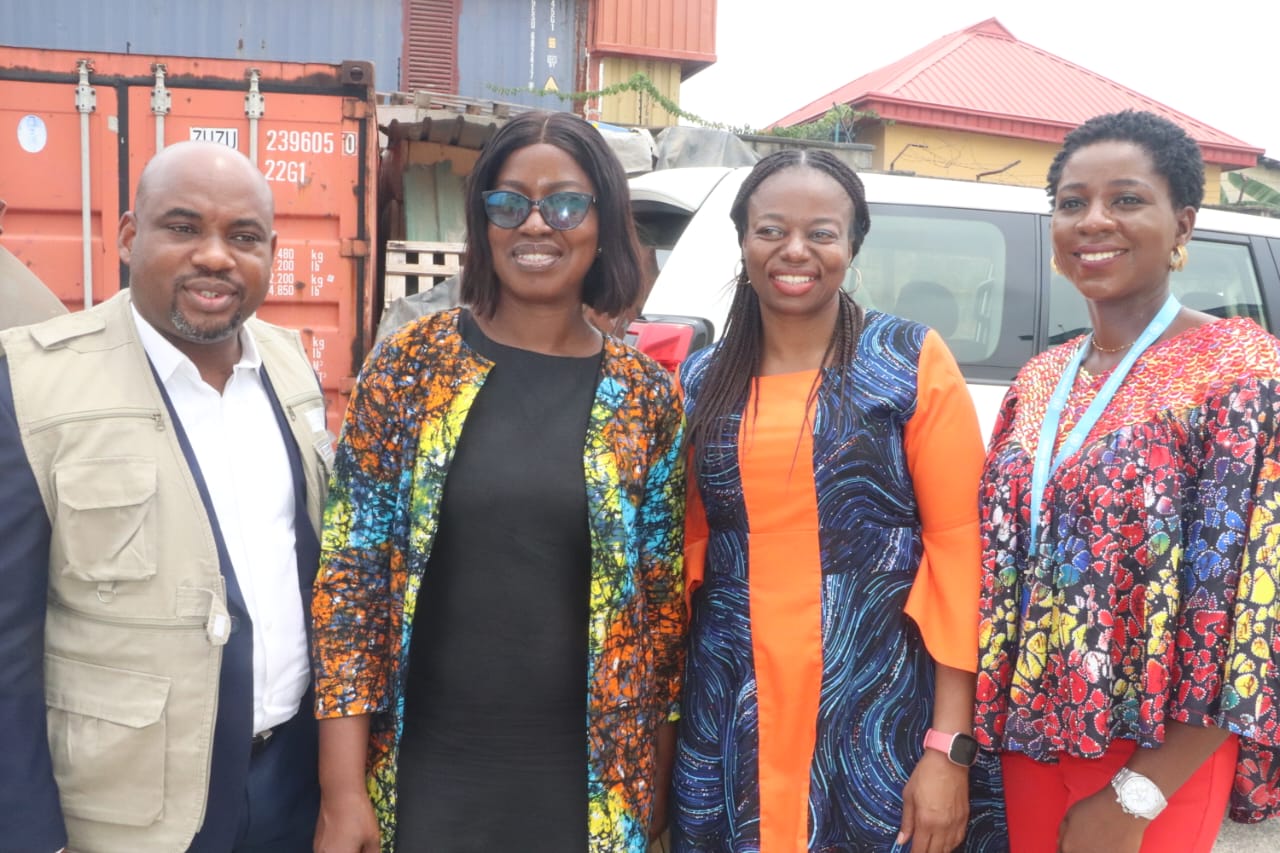
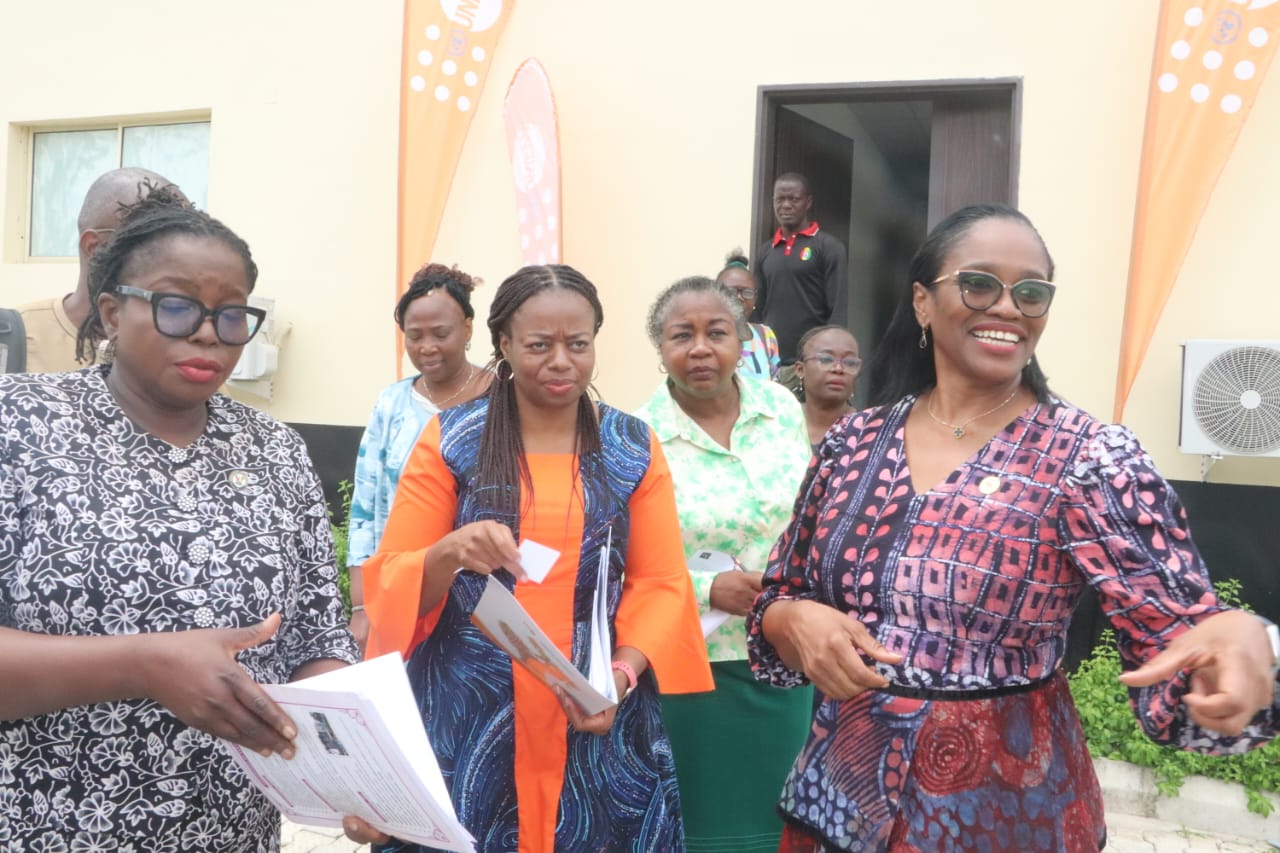
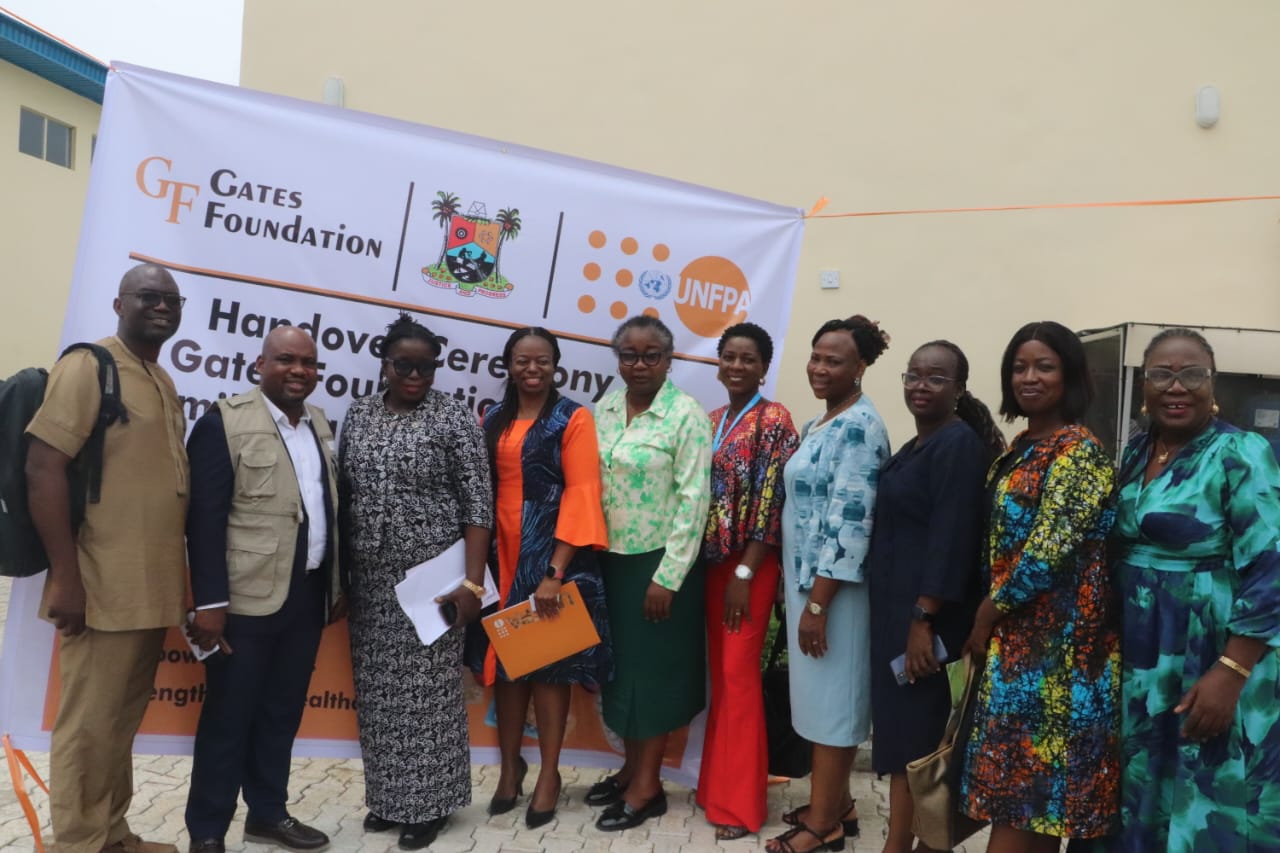
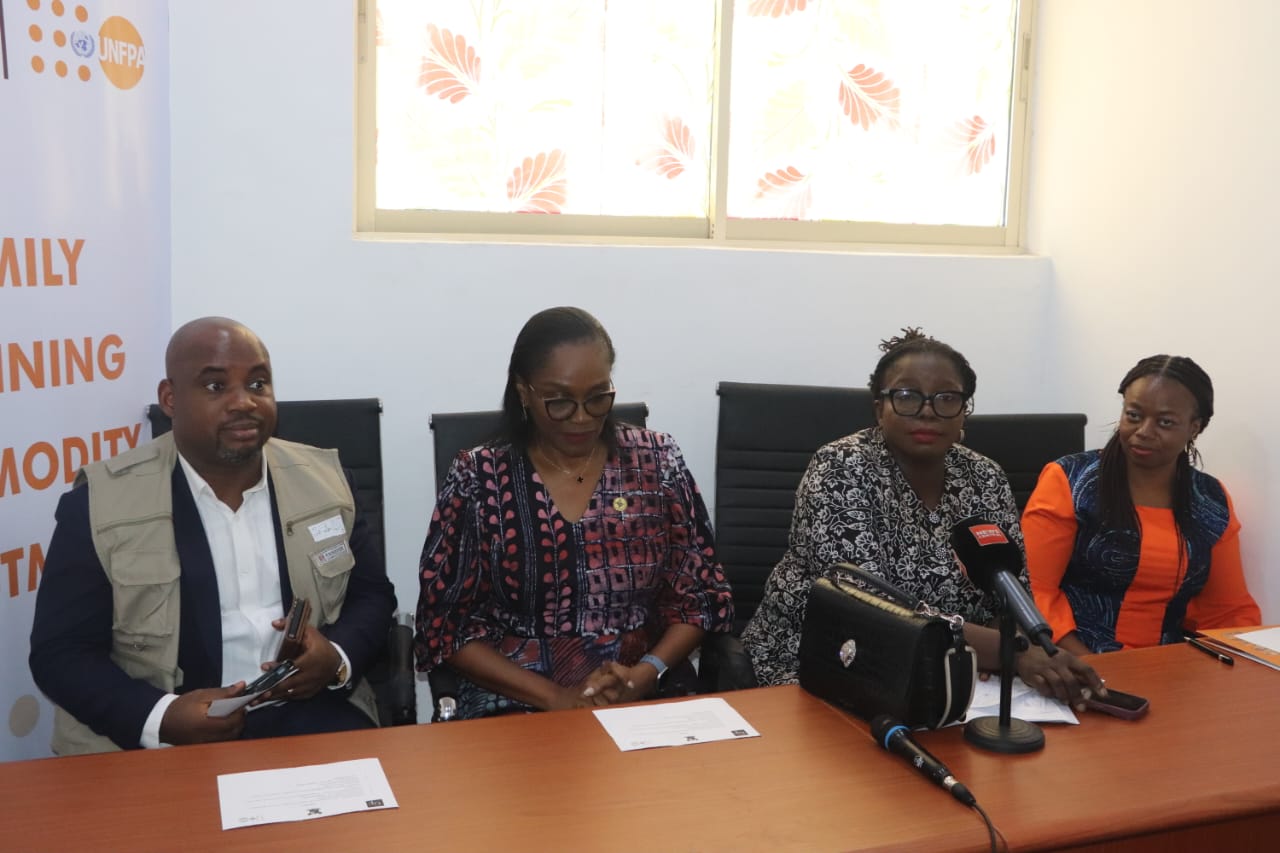
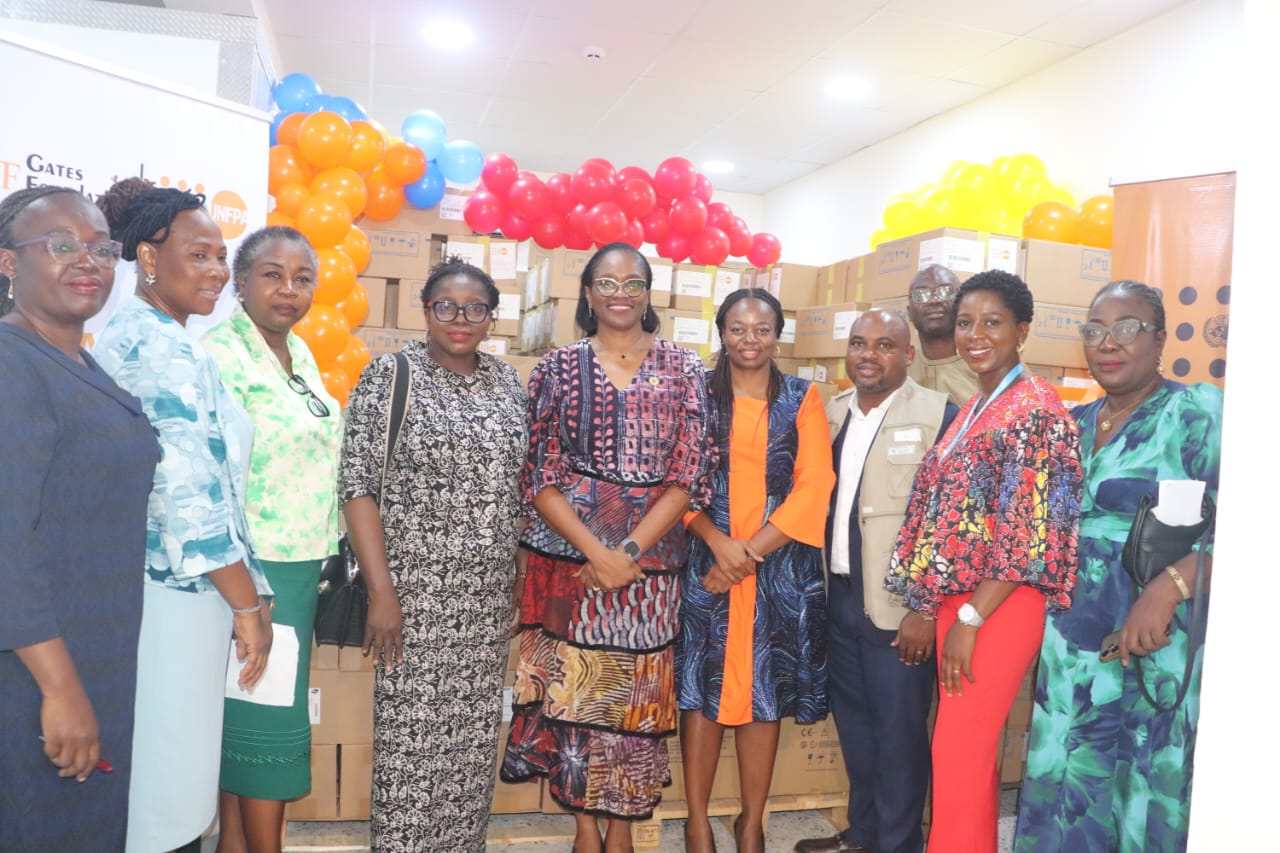
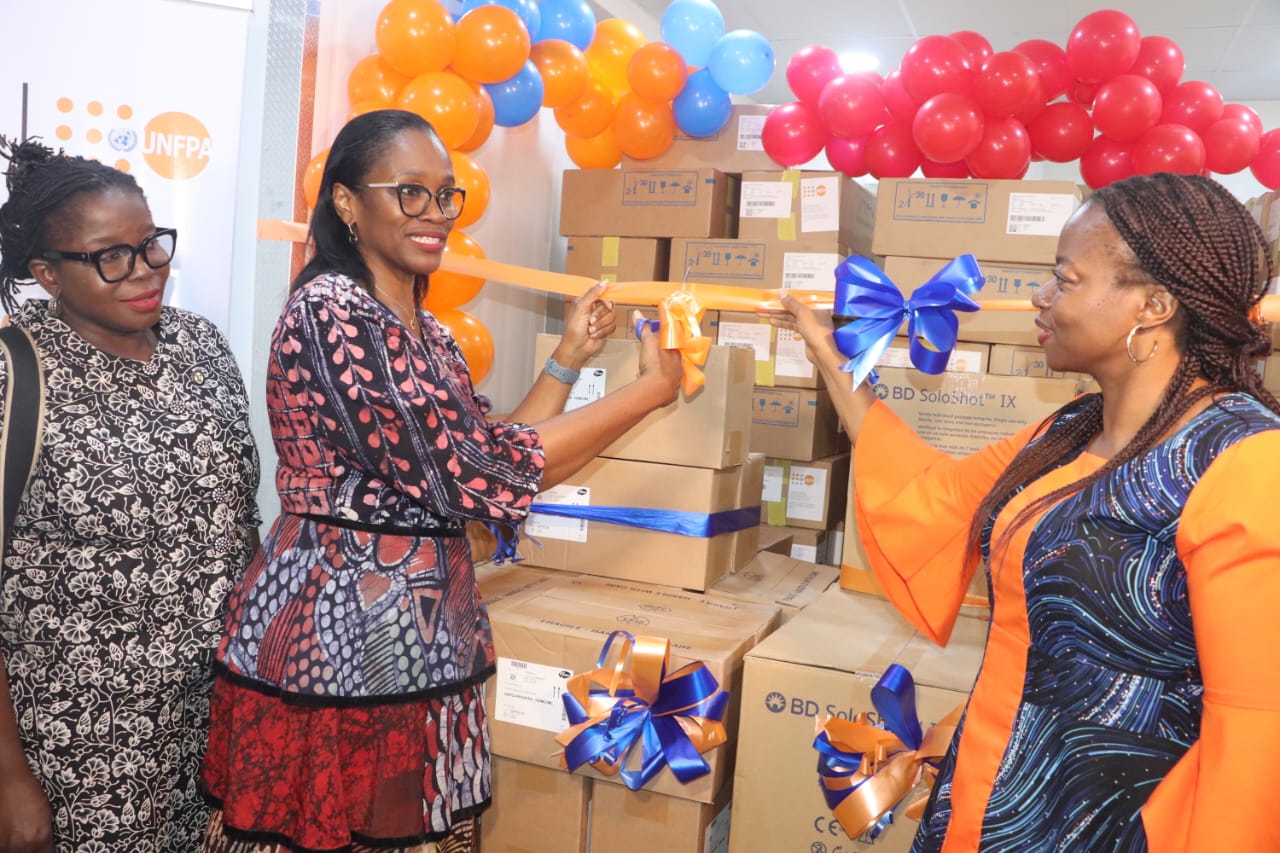
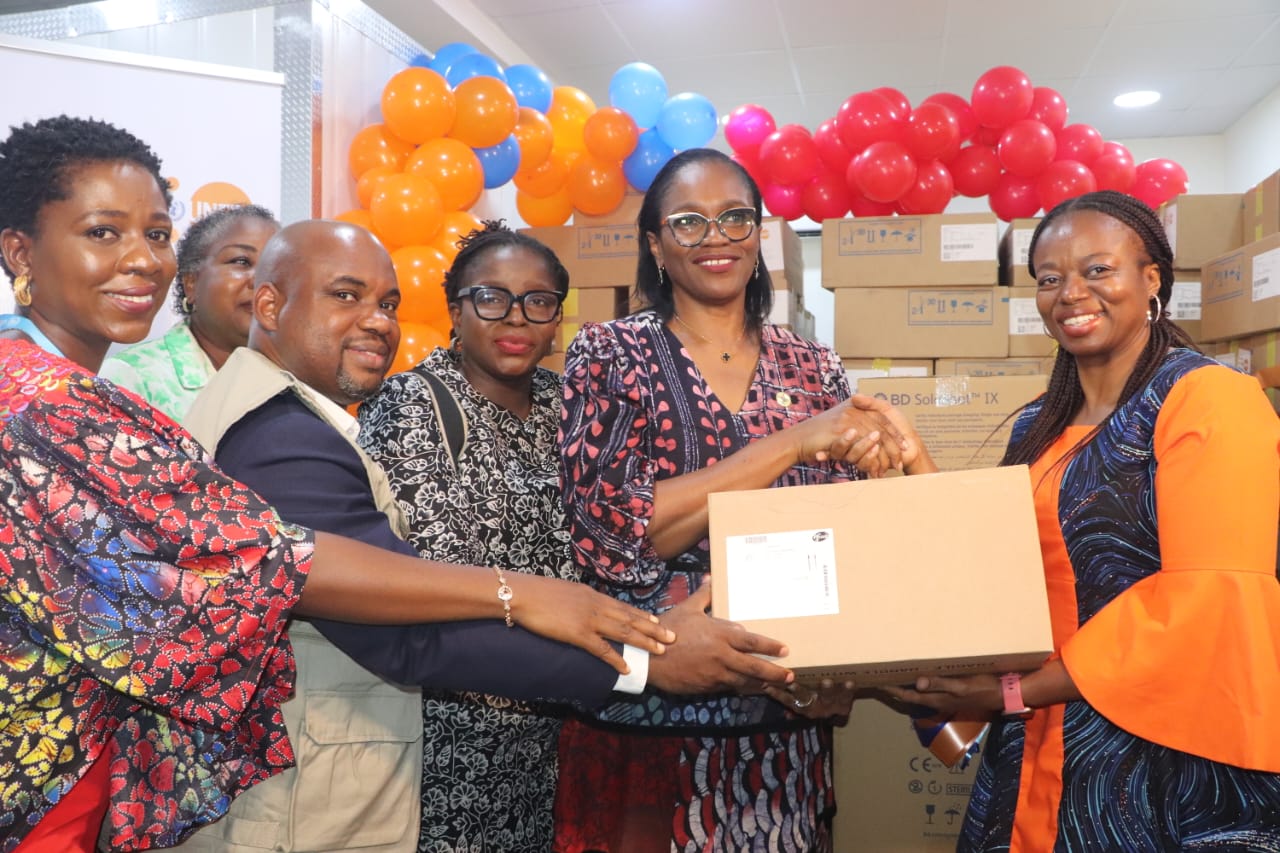
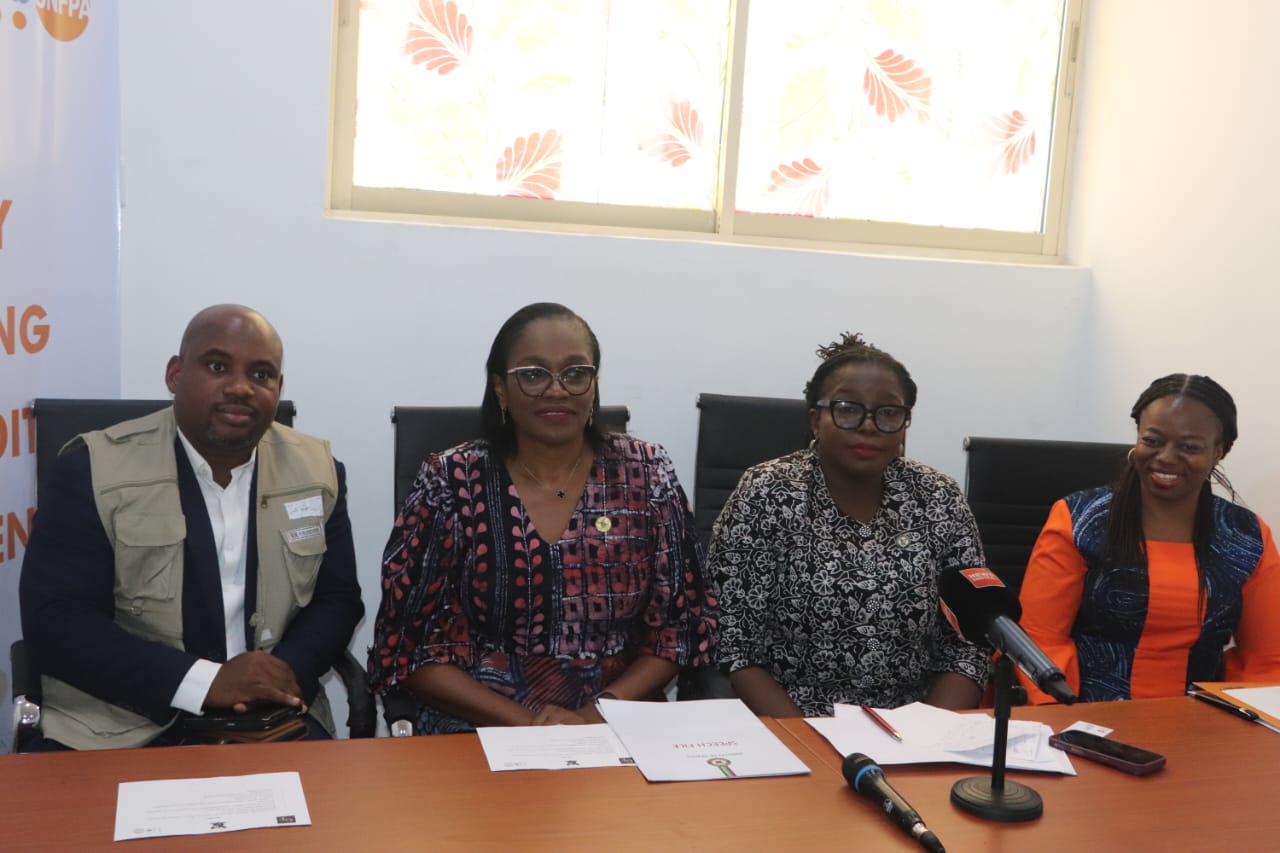
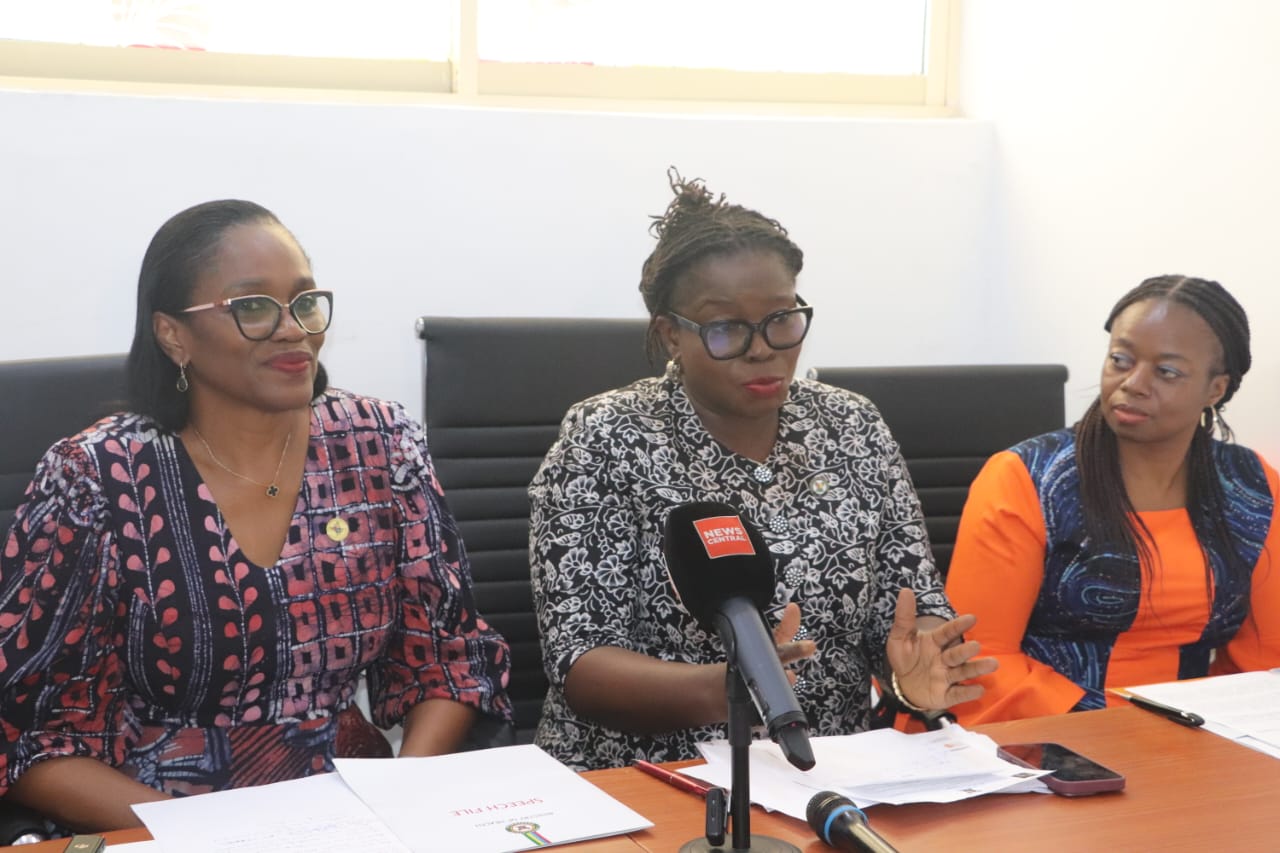
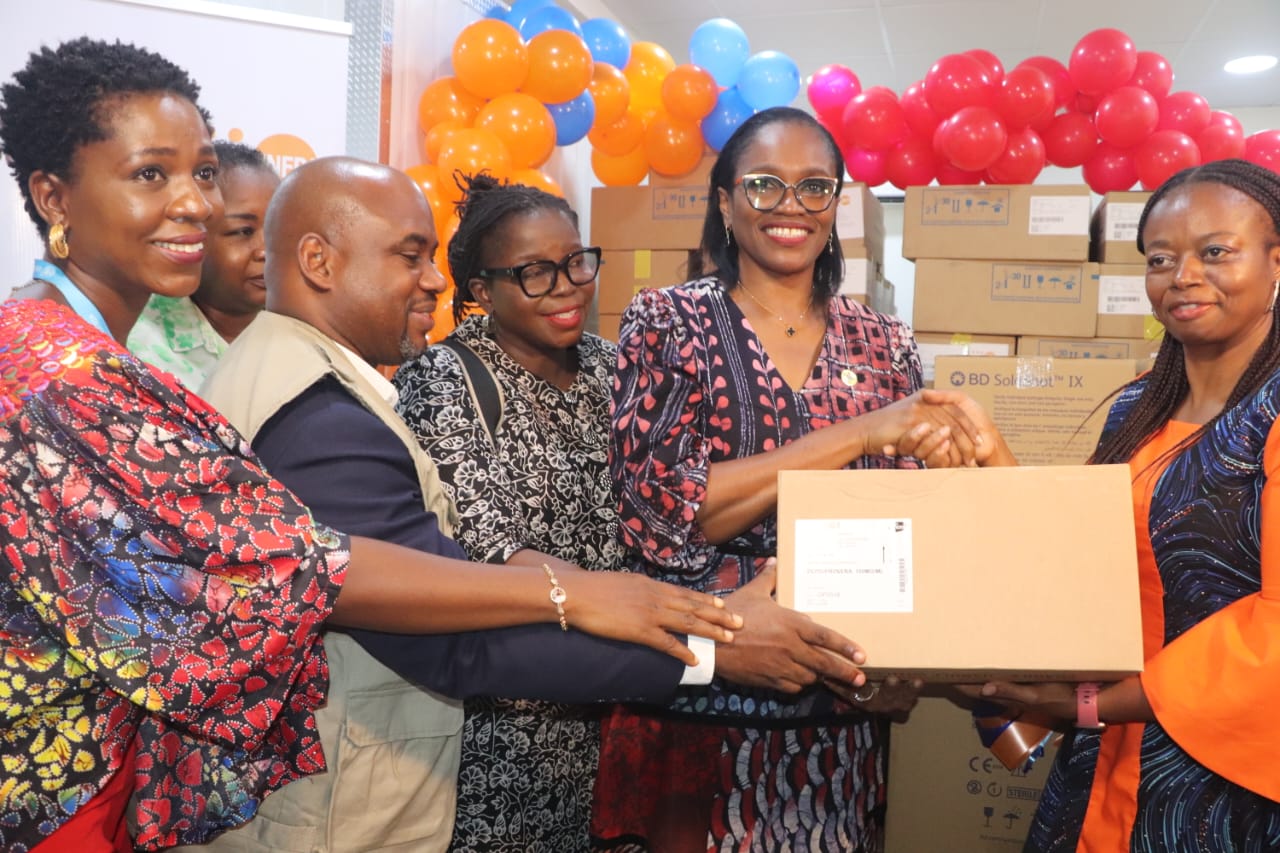
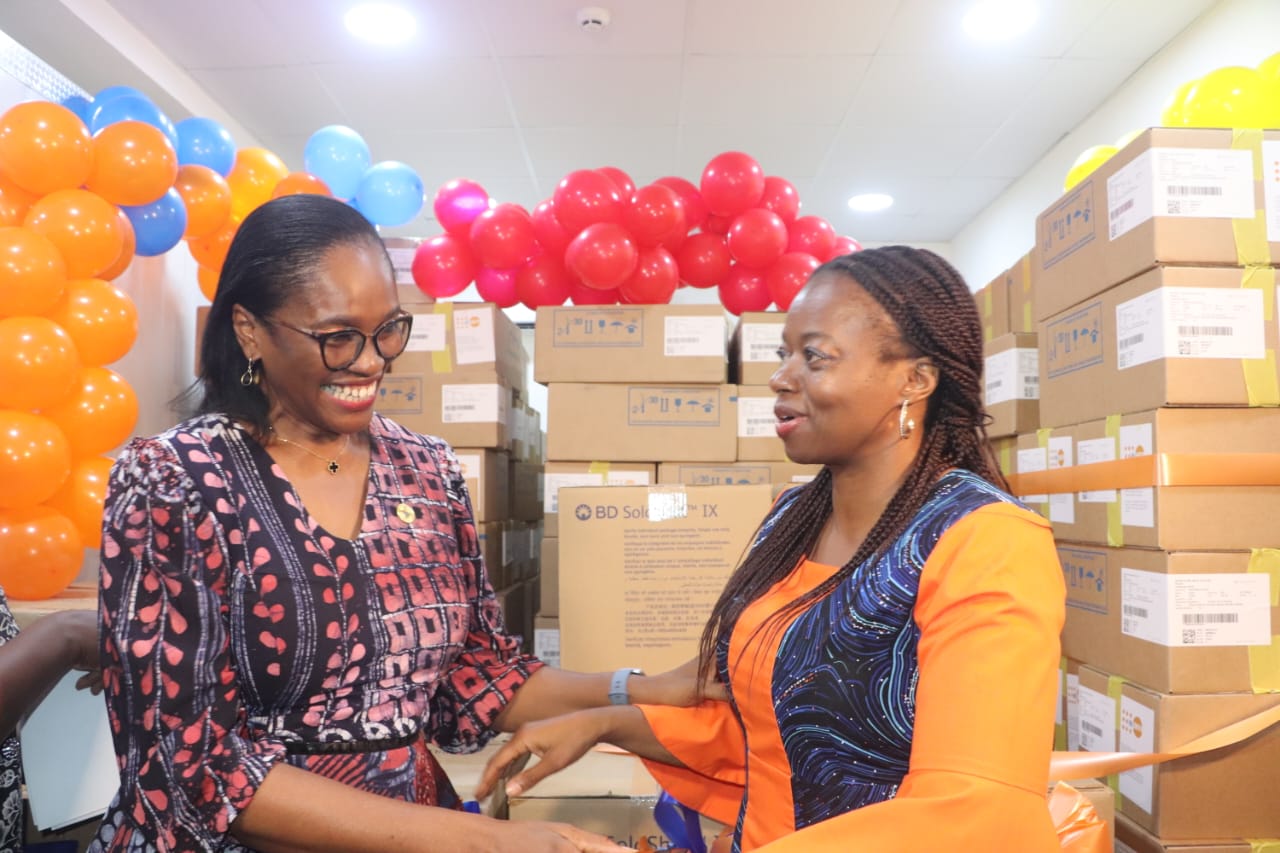
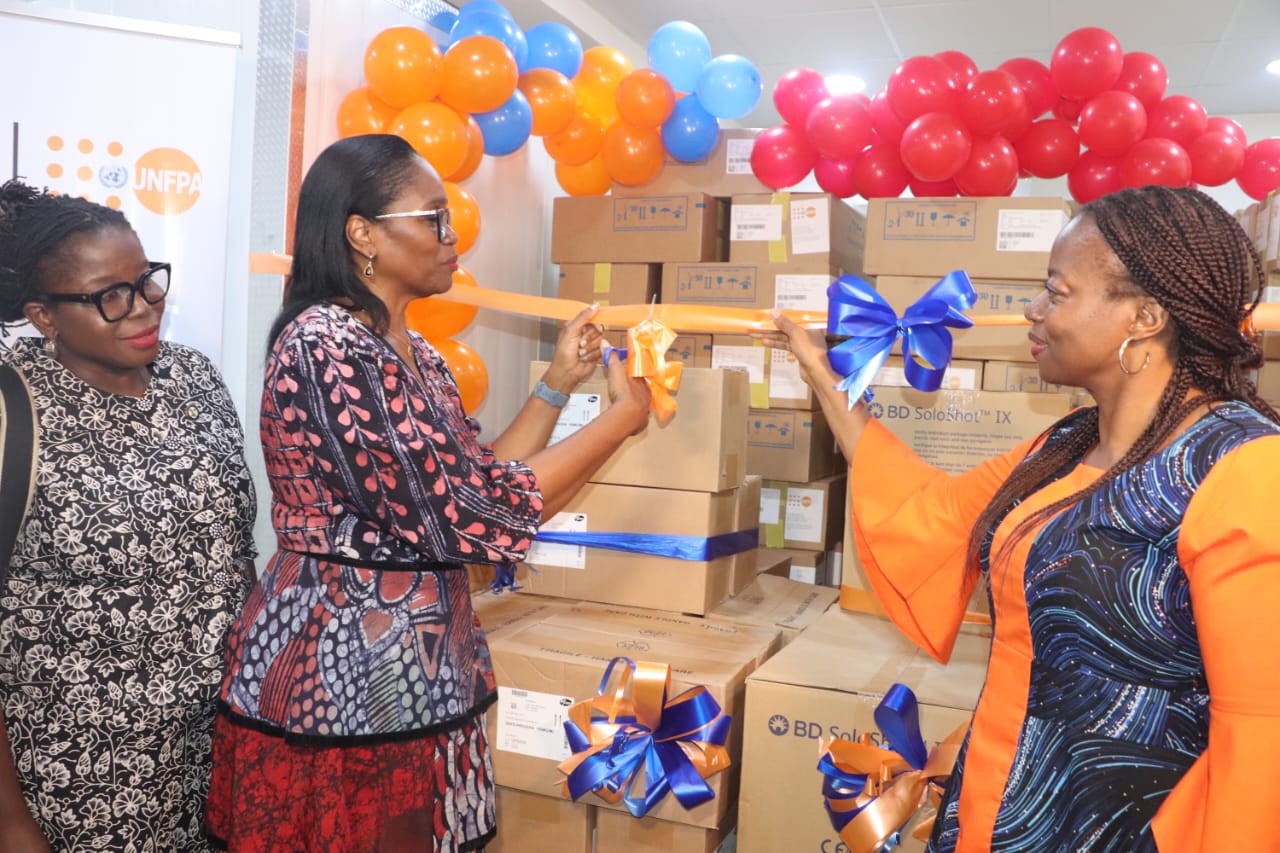
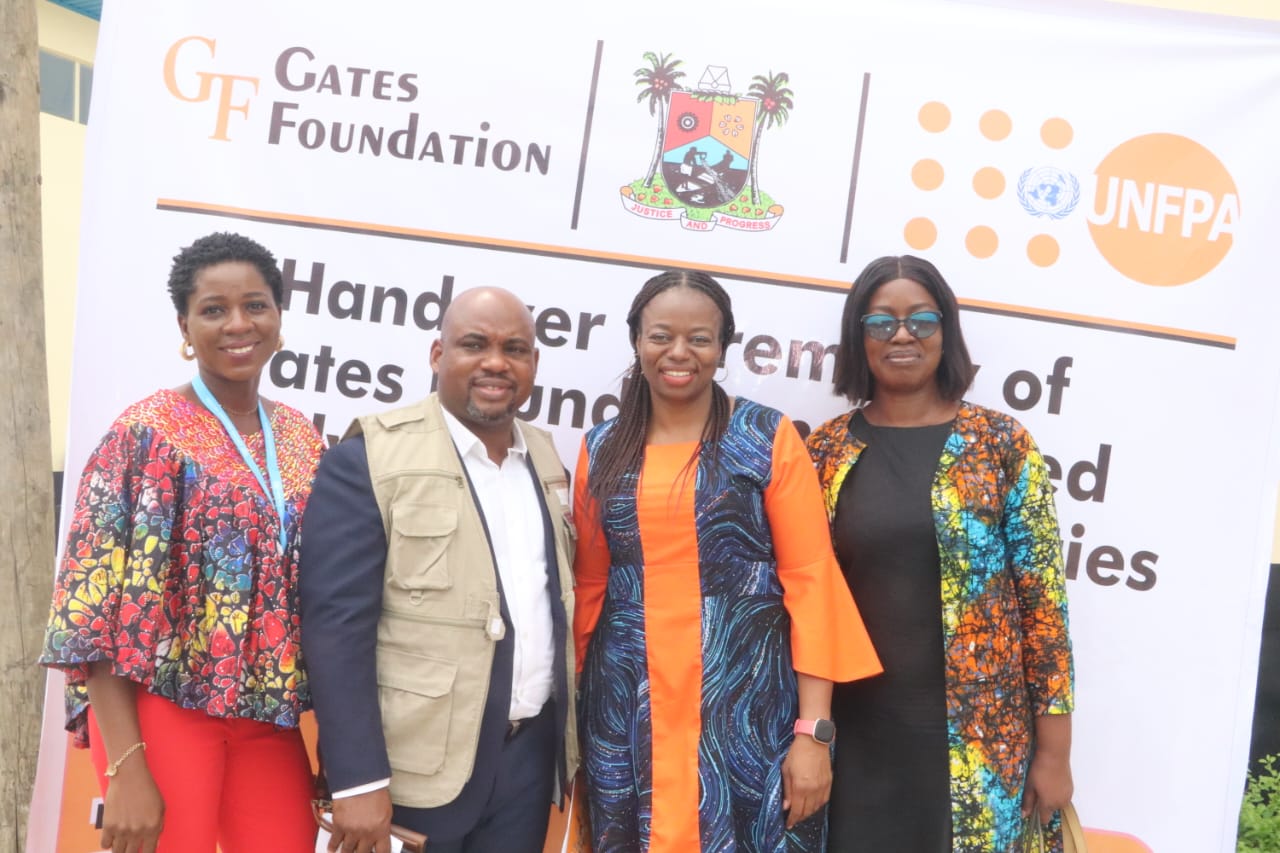
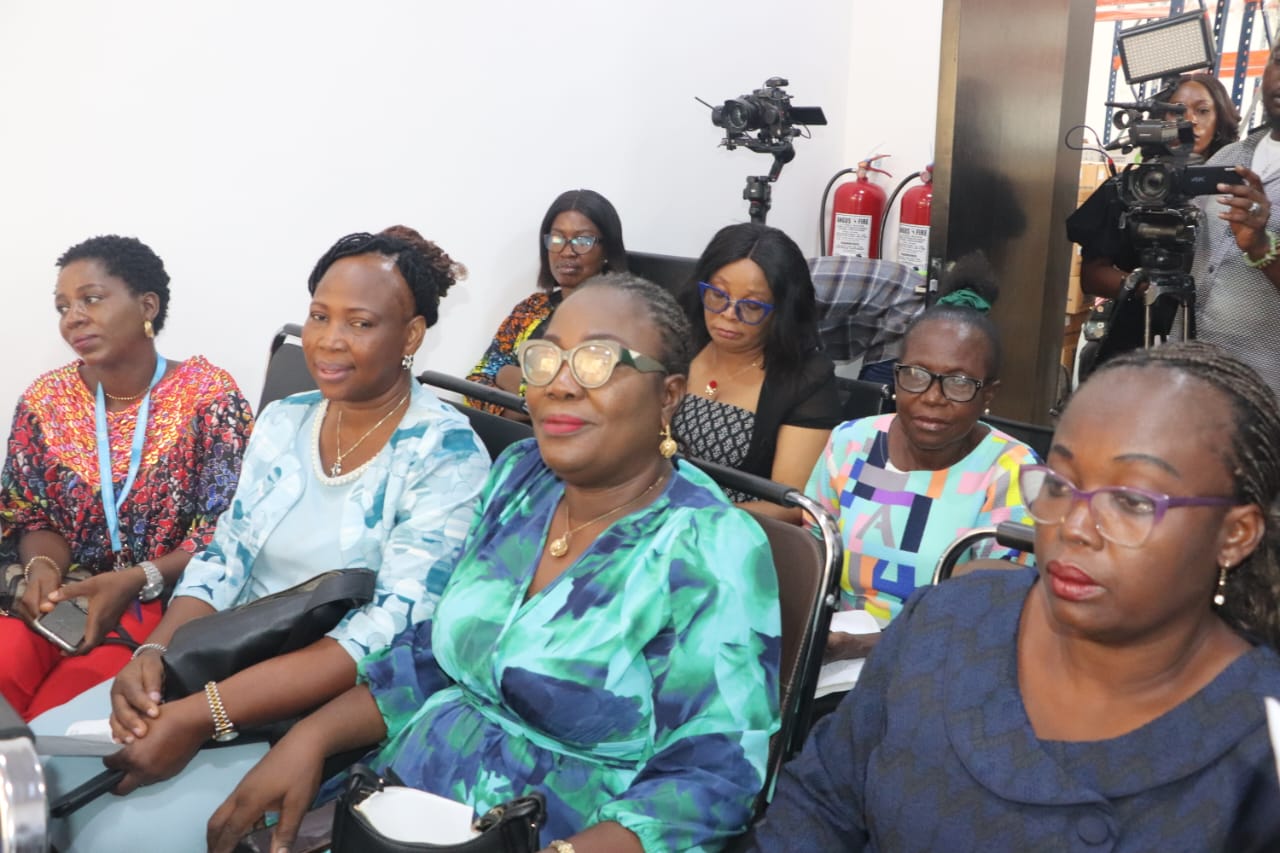
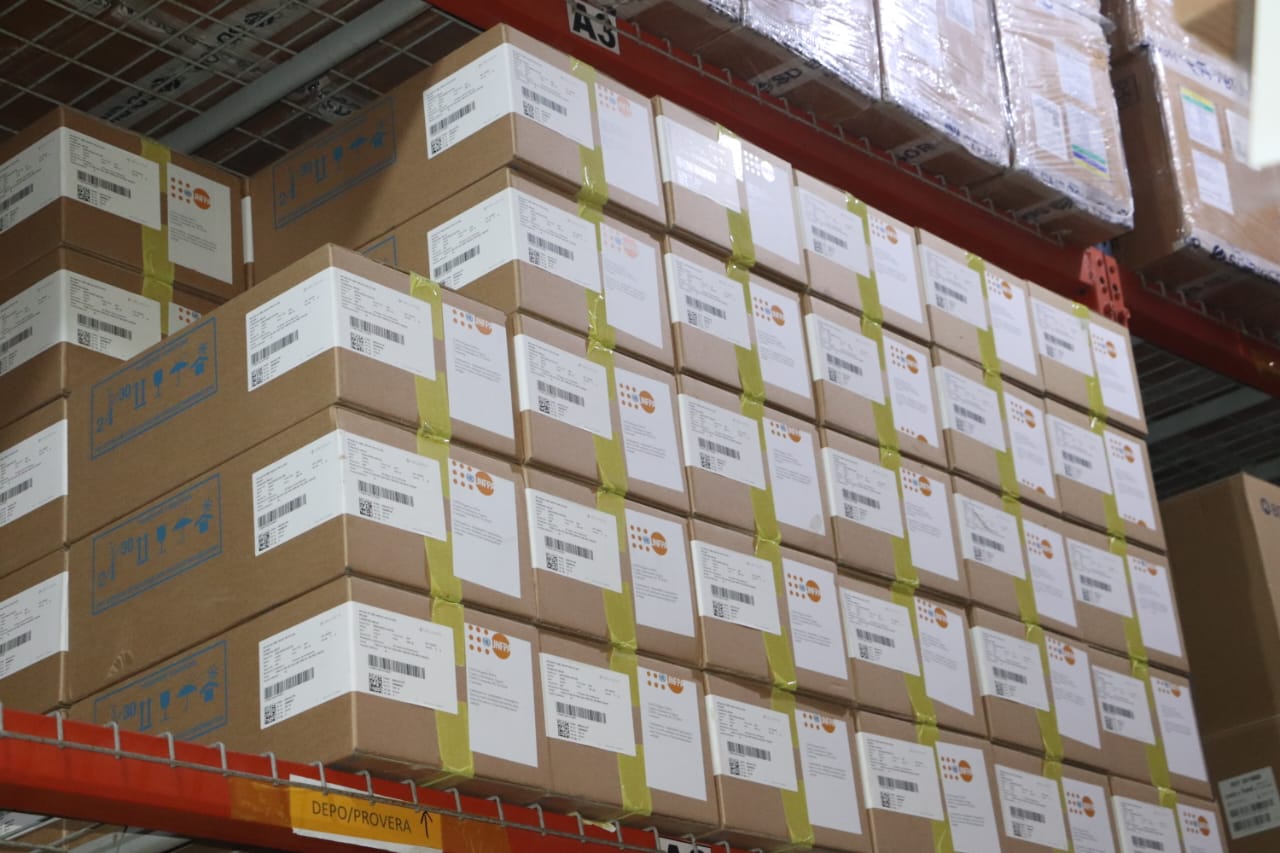
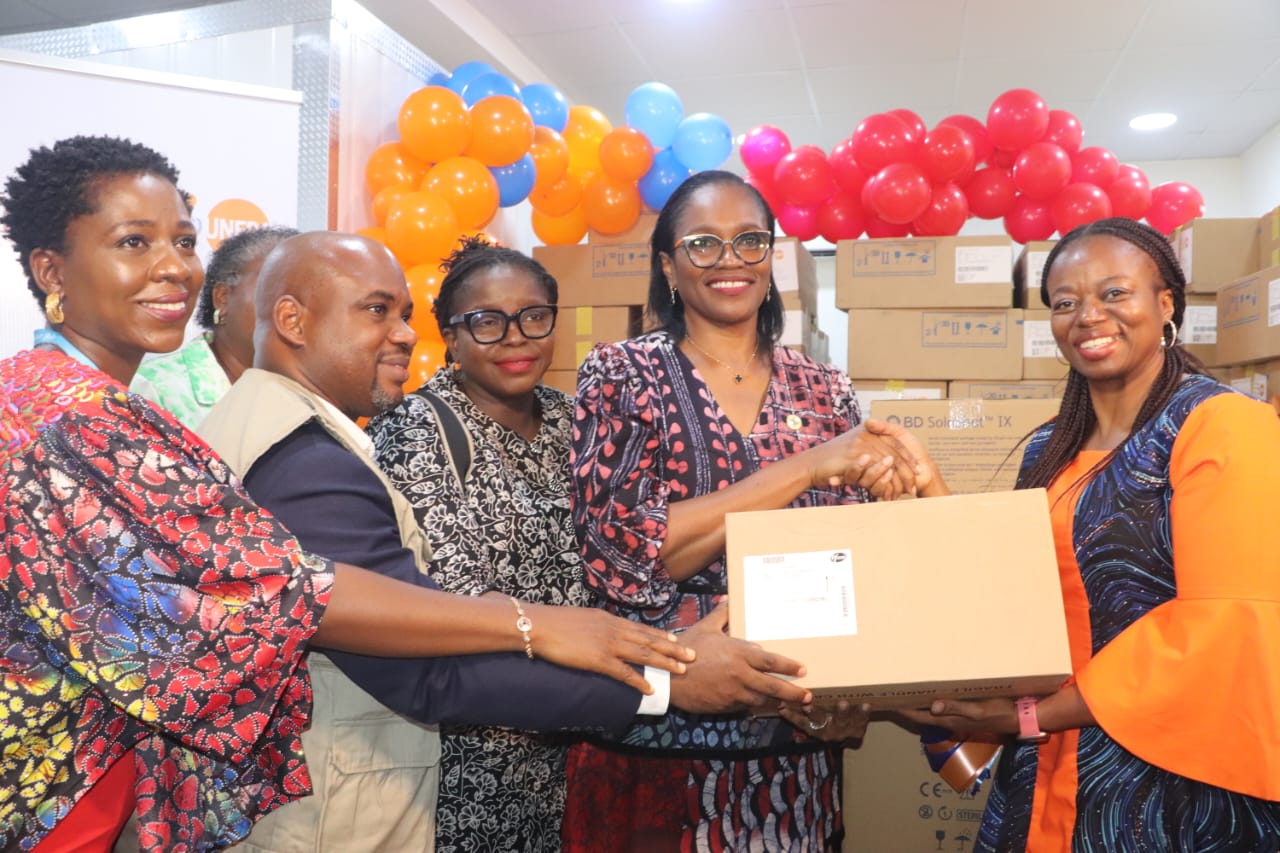
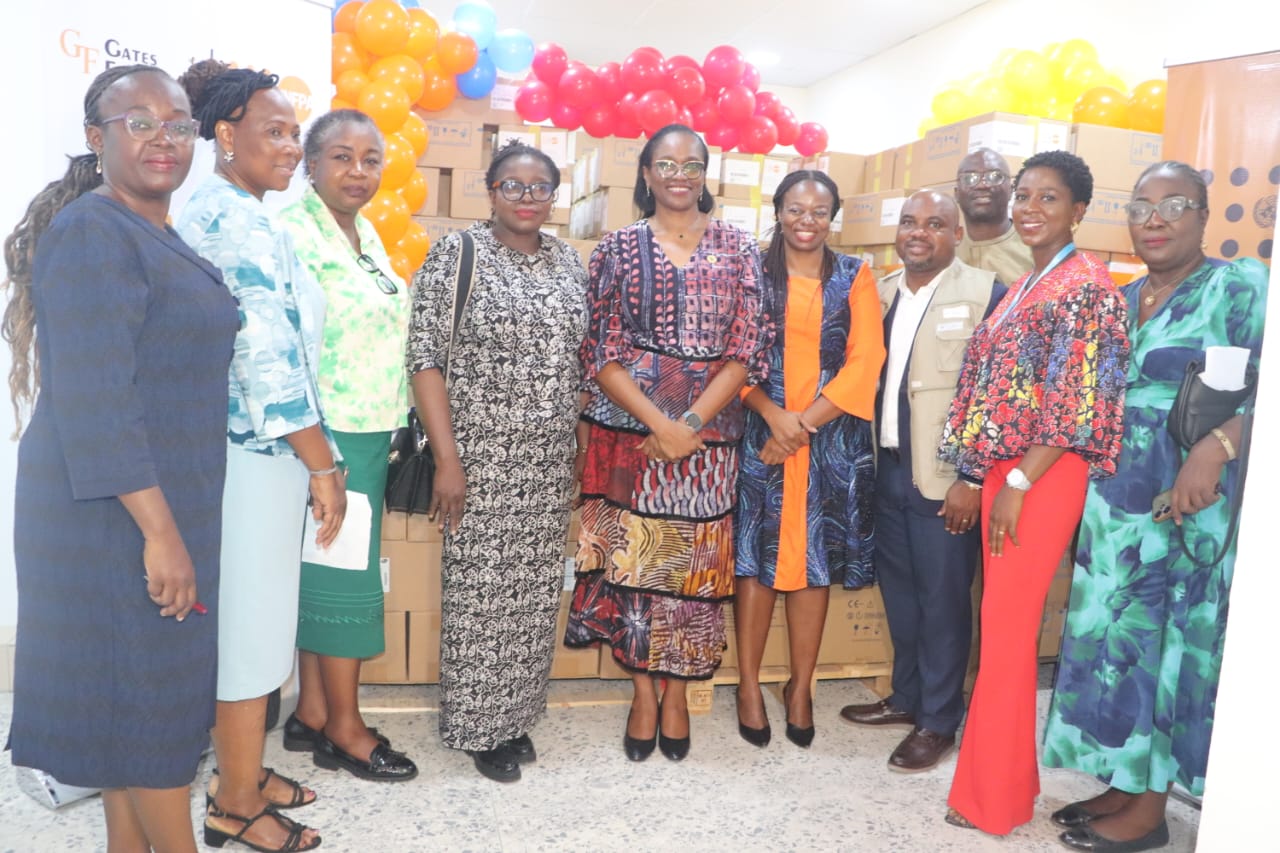
The Lagos State Government today received a significant boost in its reproductive health efforts as the Bill & Melinda Gates Foundation, in collaboration with the United Nations Population Fund (UNFPA), officially handed over a consignment of family planning commodities to the state. The event, held at the Lagos State Central Medical Store in Oshodi, marked a crucial milestone in the ongoing efforts to improve access to family planning services in the state.
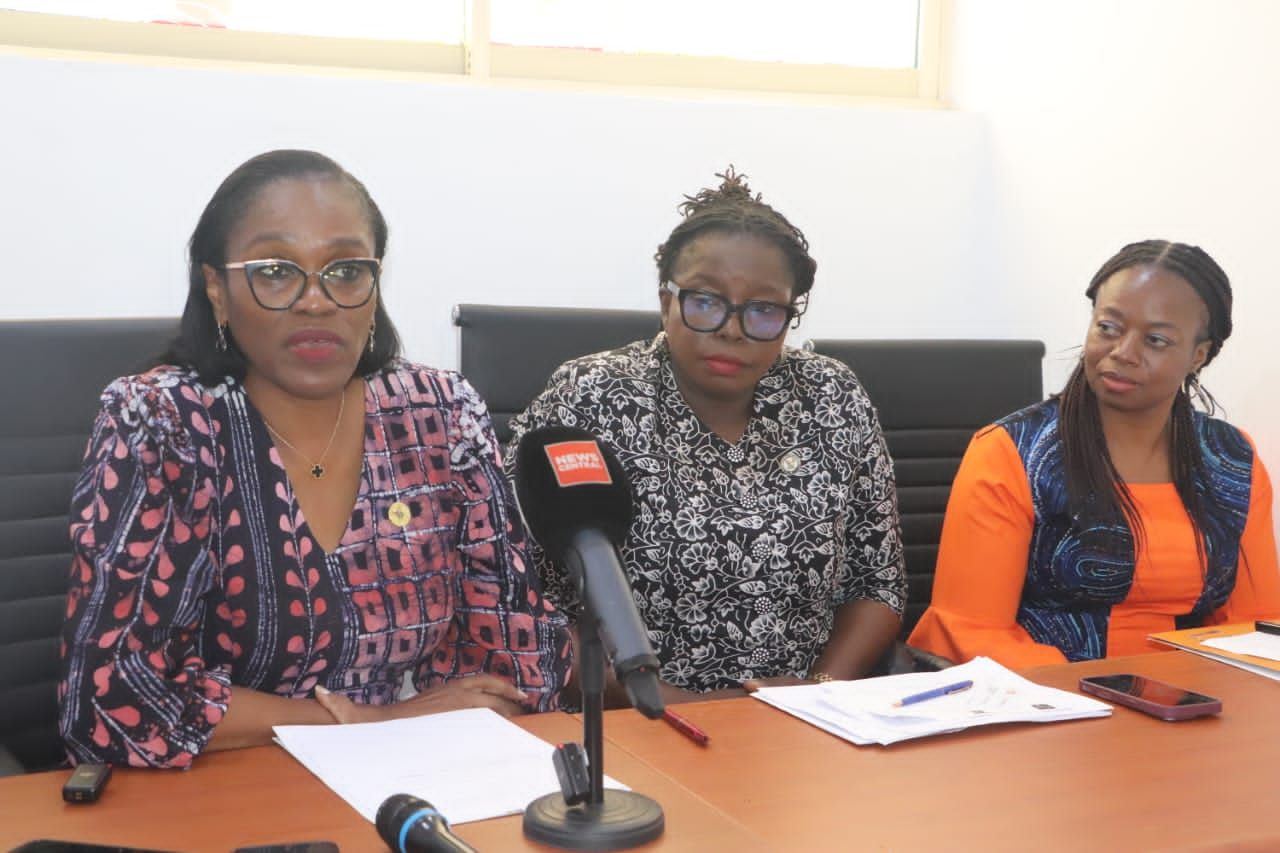
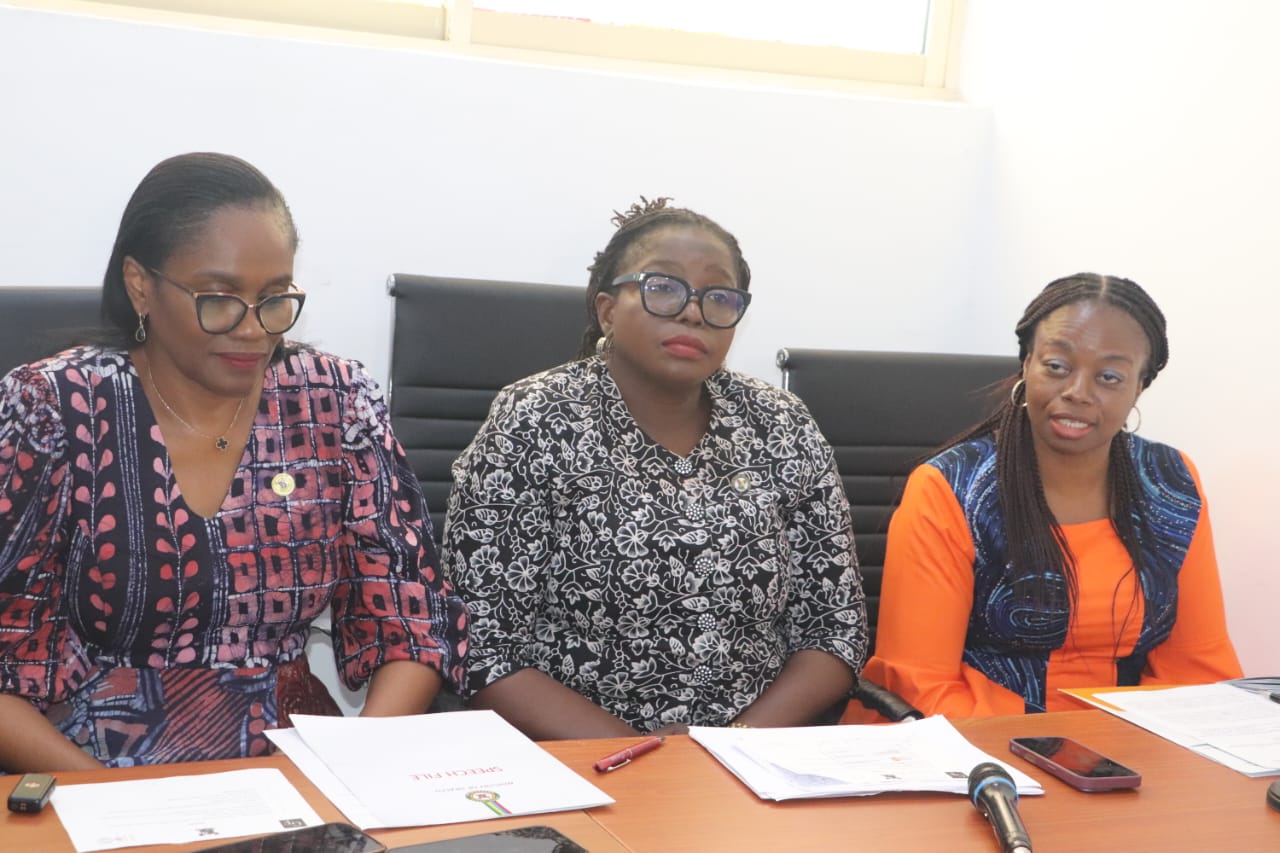
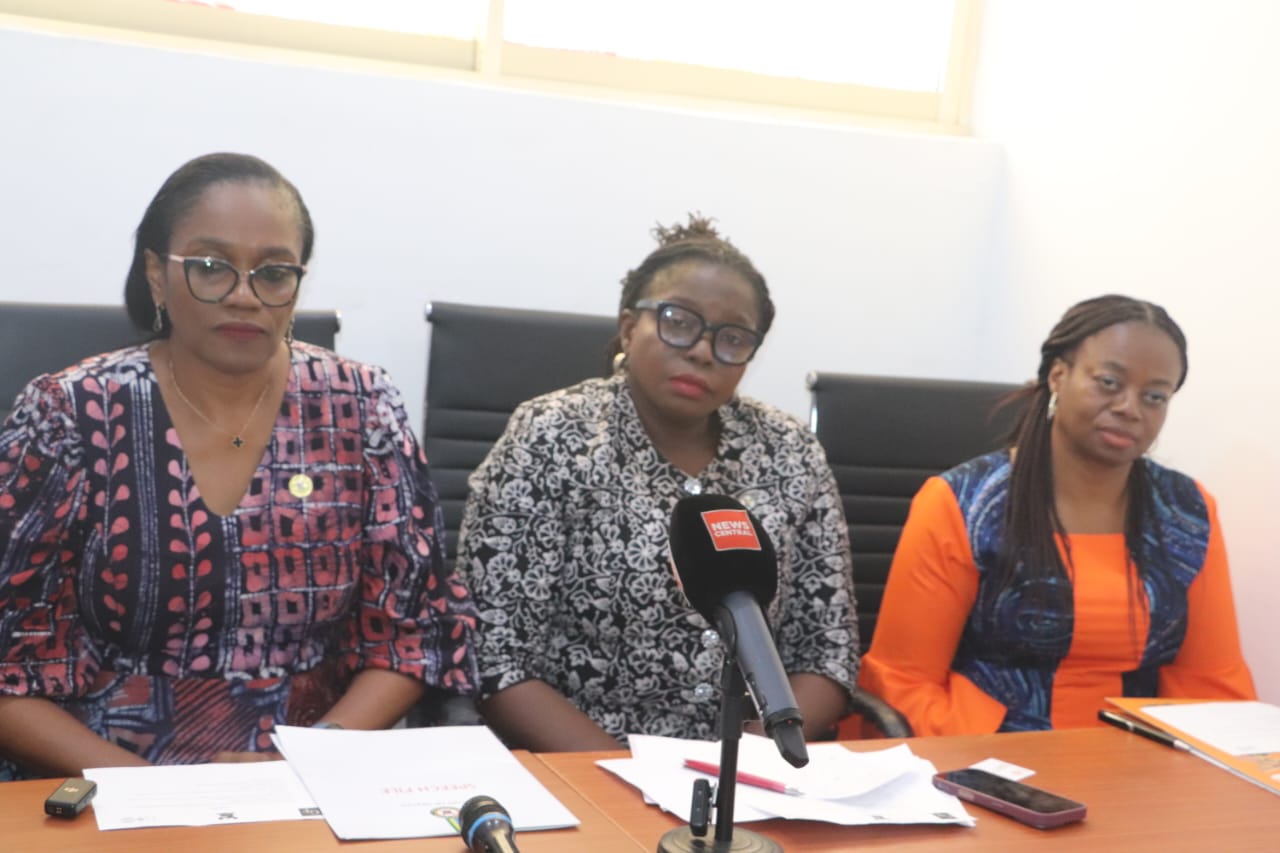
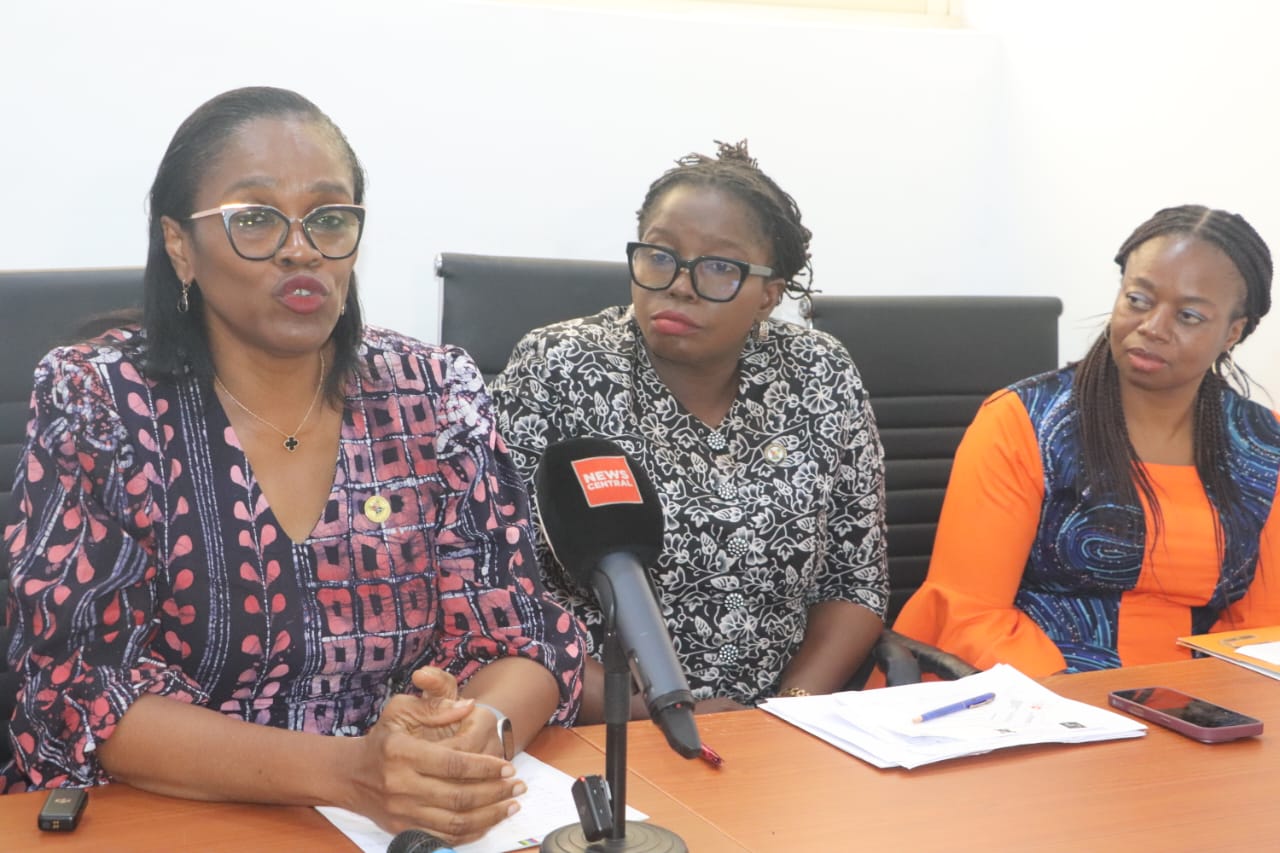
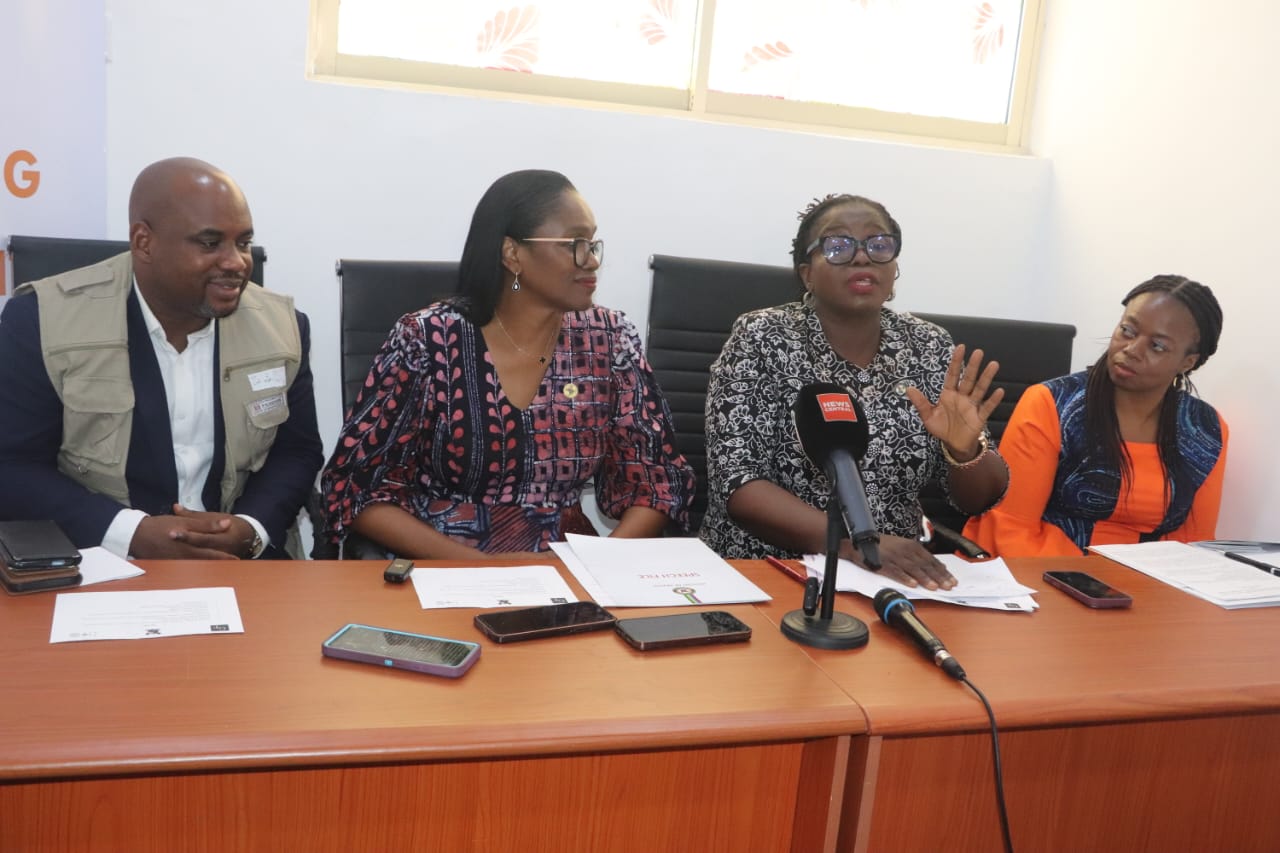
Speaking at the event, the Special Adviser to the Lagos State Governor on Health, Dr. (Mrs.) Kemi Ogunyemi, emphasized the importance of family planning in managing the state’s population growth and improving maternal health. She highlighted the critical role that men play in supporting family planning and expressed deep gratitude to the Gates Foundation for its generous contribution.
Dr. Ogunyemi noted that while family planning is often perceived as a women’s issue, it is equally crucial for men to be involved. “Family planning is not just about women; men play a significant role. It’s about access—ensuring that contraceptives are available when needed and free for users. But let’s remember, nothing is truly free; someone is paying for it. We appreciate our development partners for stepping in where government resources fall short,” she stated.
She lamented the stockouts of family planning commodities in the past year, which had left many residents unable to access vital contraceptives despite strong advocacy efforts. “Running out of supplies after encouraging people to use them is unacceptable. The support from the Gates Foundation and UNFPA ensures that we don’t face such shortages again,” she added.
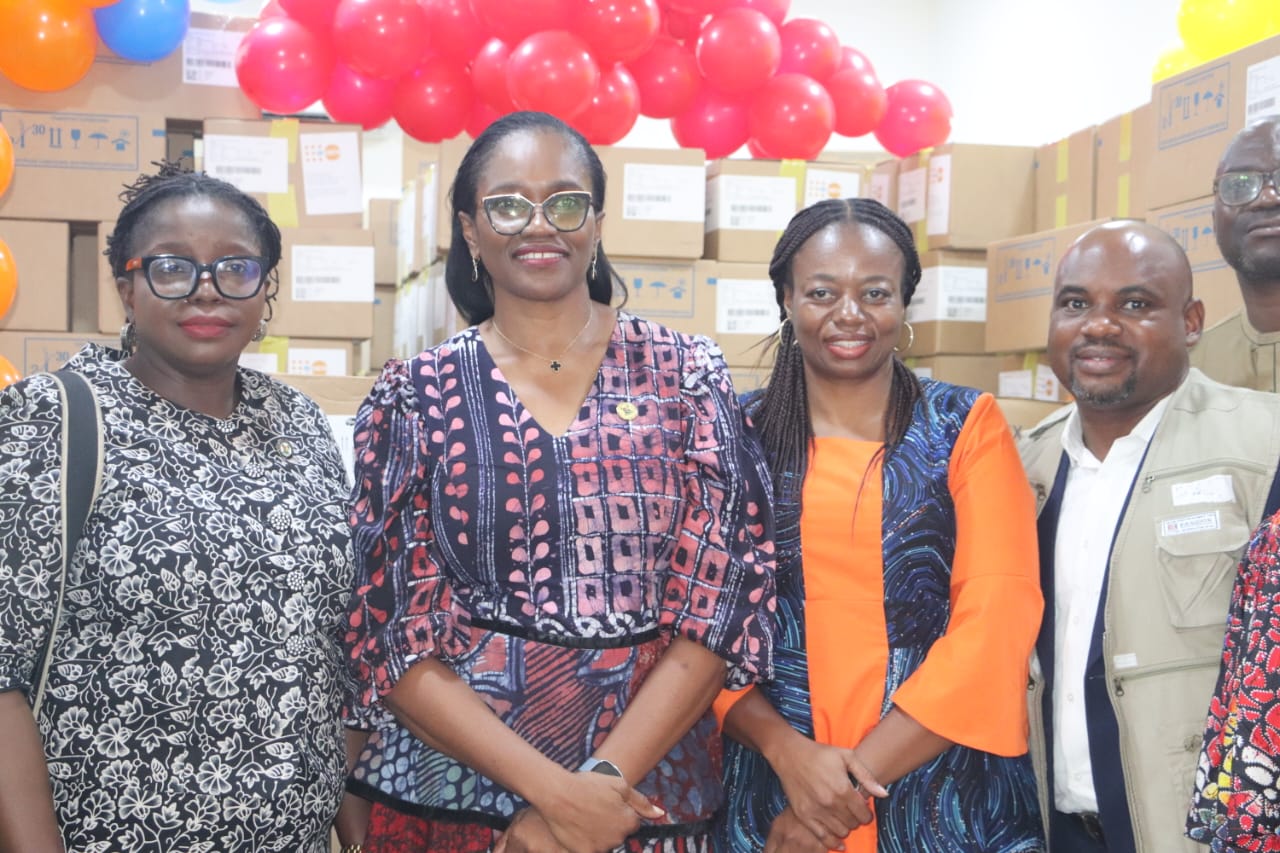
Dr. Ogunyemi also pointed out the increasing pressure on Lagos State’s healthcare resources due to rapid population growth. “With over 3,000 people migrating to Lagos daily, our resources are stretched thin. Family planning is a crucial part of managing this growth while ensuring maternal and child health,” she explained.
The Special Adviser stressed the role of family planning in reducing maternal and infant mortality rates. “Spacing pregnancies helps reduce risks for mothers and babies. It is an empowerment tool for women, allowing them to decide when to have children,” she said. She also highlighted the need to reach young and vulnerable groups, emphasizing that prevention is a more effective approach than dealing with unintended pregnancies later.
Dr. Ogunyemi reaffirmed the Lagos State Government’s commitment to investing in women’s health, reducing maternal mortality, and ensuring sustainable access to family planning services. “Mr. Governor is fully committed to this cause, and we will continue to advocate for increased funding in our budget,” she concluded.
Speaking in the same vein, the Permanent Secretary, Lagos State Ministry of Health, Dr. Olusegun Ogboye highlighted the rising demand for family planning services in Lagos. “With an estimated seven million women of reproductive age and another seven million sexually active males, family planning is a necessity,” he stated.
Ogboye who was represented by the Director, Family Health and Nutrition, Lagos State Ministry of Health, Dr. Folashade Oludara, acknowledged that Lagos State has struggled to meet the demand for contraceptives due to its rapidly increasing population. “Even with supplies from the federal government and state funding, there’s still a gap. This donation from the Gates Foundation is a game-changer, providing a steady and substantial supply for the next five years,” he said.
He revealed that the Gates Foundation has committed $25 million worth of family planning commodities over five years, translating to $5 million annually. “This is one of the most consistent supply chains we will have. It ensures that public and private healthcare providers can meet the needs of the population,” she added.
Dr. Ogboye emphasized the importance of integrating private healthcare providers into the initiative. “Public facilities cater to about 40% of the population, while private facilities handle 55%. This program will help us reach a broader audience,” he noted.
He reassured residents that a variety of contraceptive options will be available to suit different needs. “We are expecting additional shipments, and by the end of this quarter, we should have a full stock of implants, injectables, and other contraceptive methods,” he disclosed.
The Head of the Lagos Liaison Office at UNFPA, Ms. Abbigail Msemburi reiterated the organization’s commitment to ensuring that contraceptives are available and that healthcare providers are well-equipped to offer services. “Supply must match demand. We are not just providing commodities; we are also training healthcare workers to ensure accessibility and quality service delivery,” she explained.
She praised the Gates Foundation for its investment in family planning and reproductive health, noting that Lagos State is one of three states benefiting from the $25 million grant. “This is the fifth handover ceremony, and more will follow. We are excited about our collaboration with Lagos State and look forward to scaling up services,” she stated.
Ms. Msemburi pointed out that despite progress, challenges remain in ensuring that family planning commodities reach the people who need them most. “Lagos State is conducting only three to four supply cycles annually, instead of the recommended six. This leads to periodic shortages. We must push for increased investment to close this gap,” she emphasized.
She urged the Lagos State Government to expand domestic funding for family planning to ensure sustainability beyond donor support. “We must plan for a future where Lagos can independently sustain its family planning program without relying entirely on external donations,” she advised.
In her closing, Ms. Msemburi reiterated the importance of collaborative efforts in addressing Lagos’ reproductive health challenges. “Family planning is essential for economic and social development. We thank the Lagos State Government for prioritizing this and encourage further investment to make these services available to all,” she said.
She also highlighted the importance of advocacy in changing societal attitudes toward contraceptive use. “We must continue educating communities on the benefits of family planning and ensure that both men and women participate in these conversations,” she added.
The handover of family planning commodities marks a crucial step toward improving reproductive health services in Lagos. With consistent support from the Gates Foundation and UNFPA, the state is better equipped to meet the needs of its growing population.
However, stakeholders agree that sustainable investment in family planning is necessary to maintain progress. As Lagos continues to expand, ensuring access to contraceptives will be vital in managing population growth, improving maternal health, and empowering women and families across the state.