…Survey reveals service gaps, aims to raise contraceptive use from 30.7% to 40% by 2030
…Government, partners commit to eliminating stock-outs, tackling myths and ensuring equity
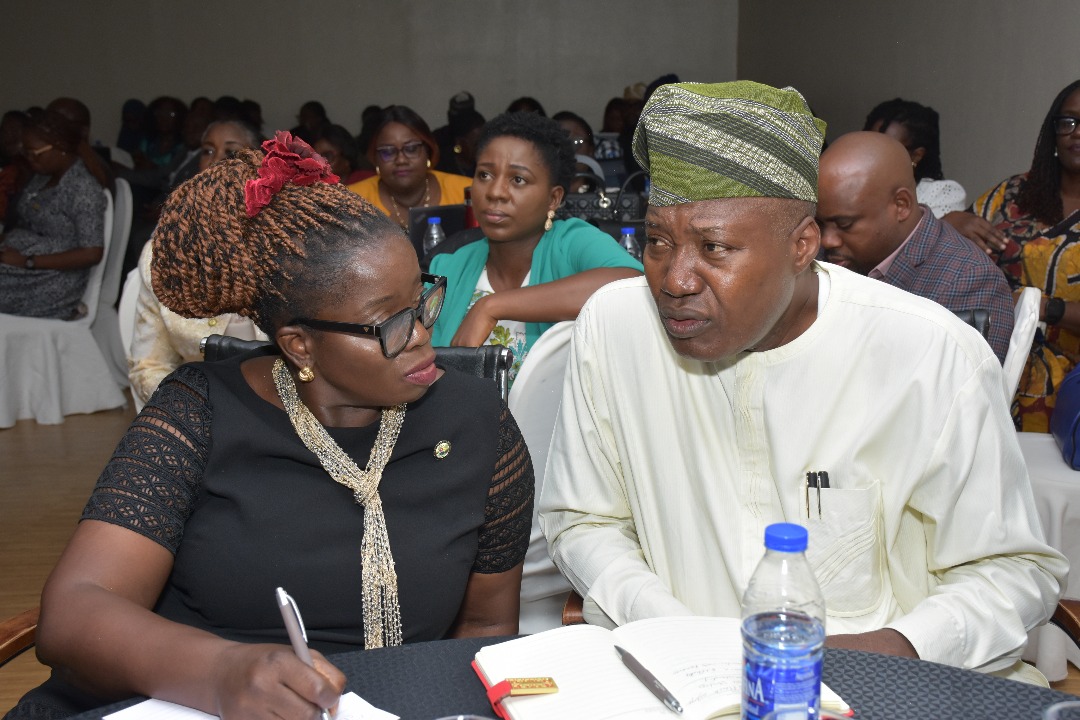
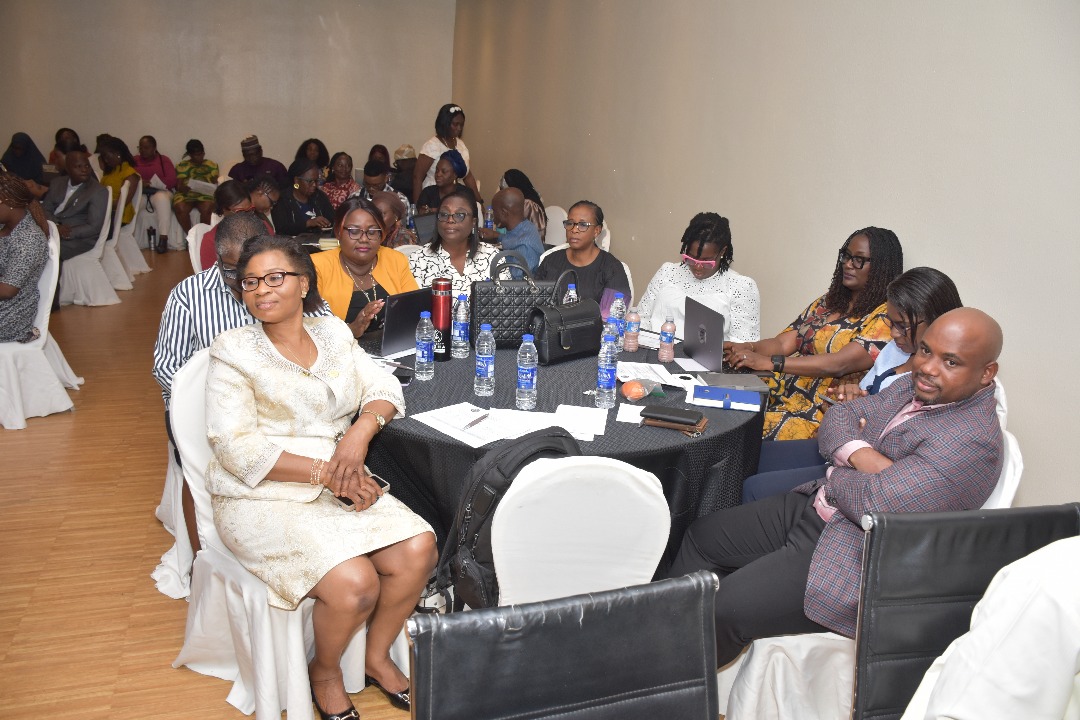
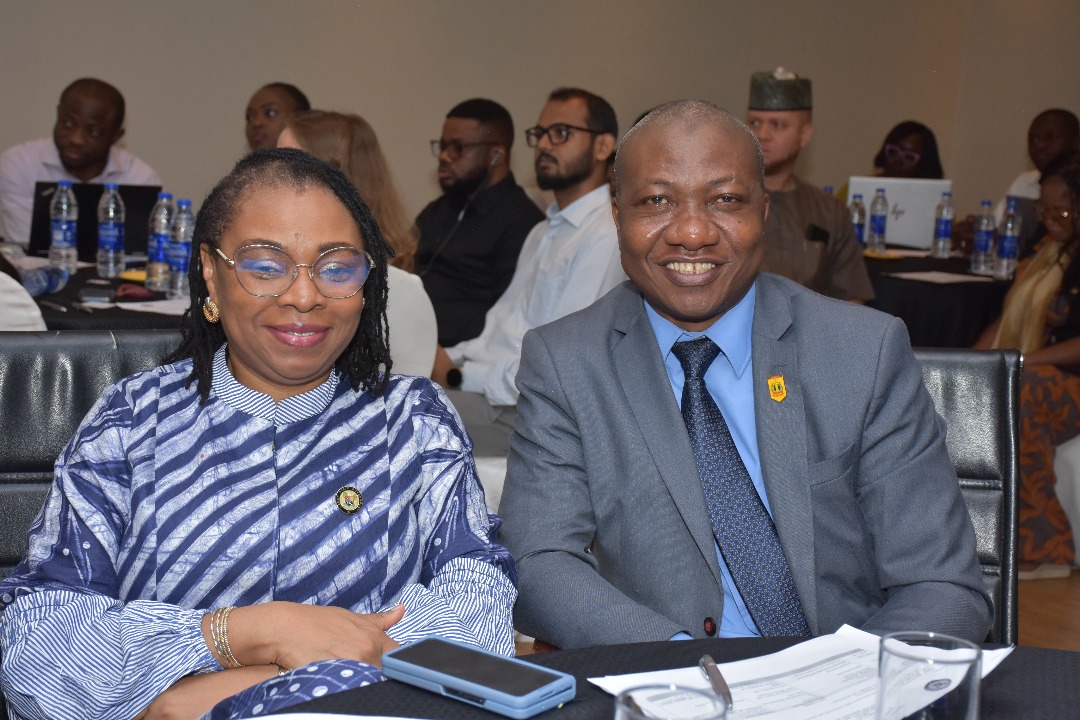
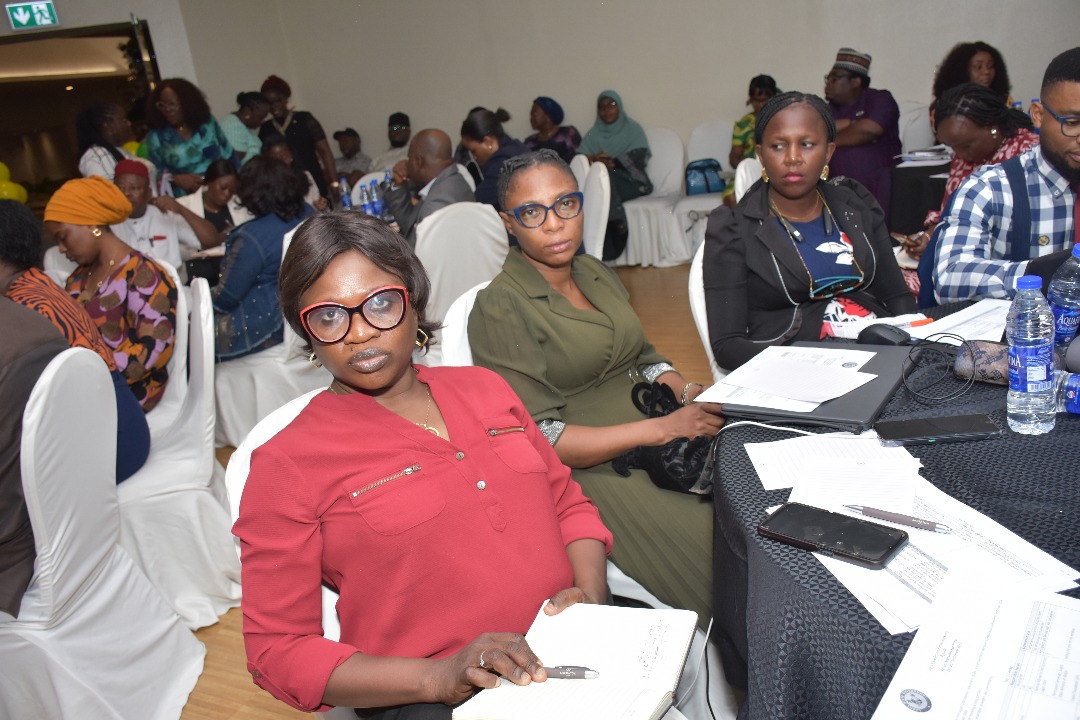
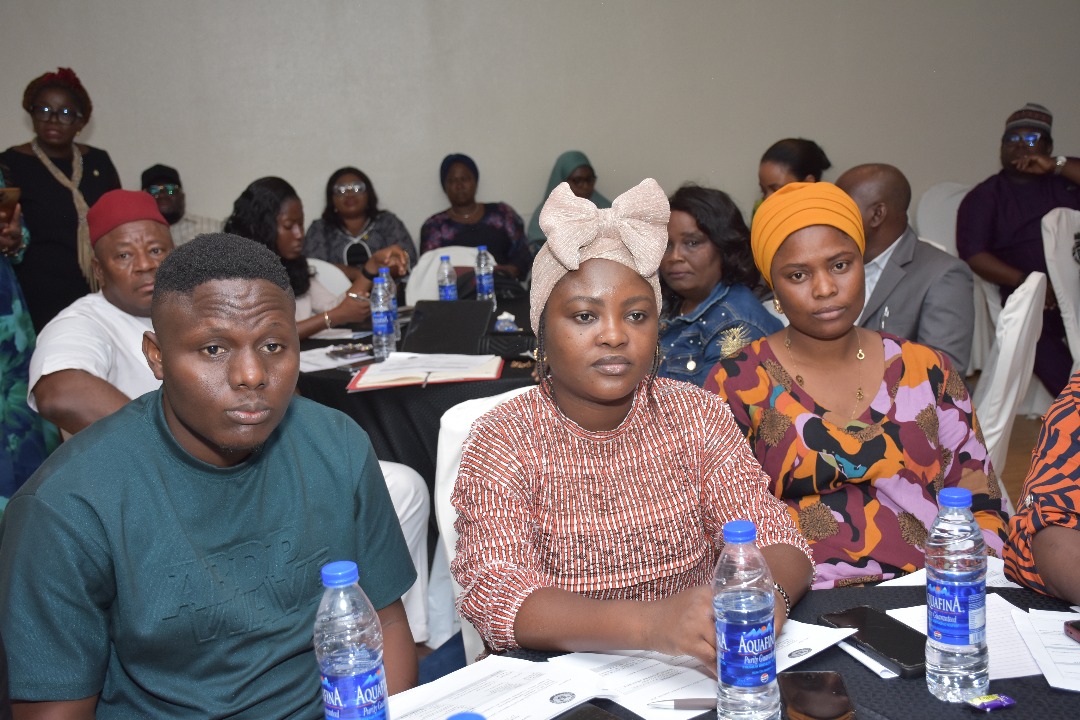
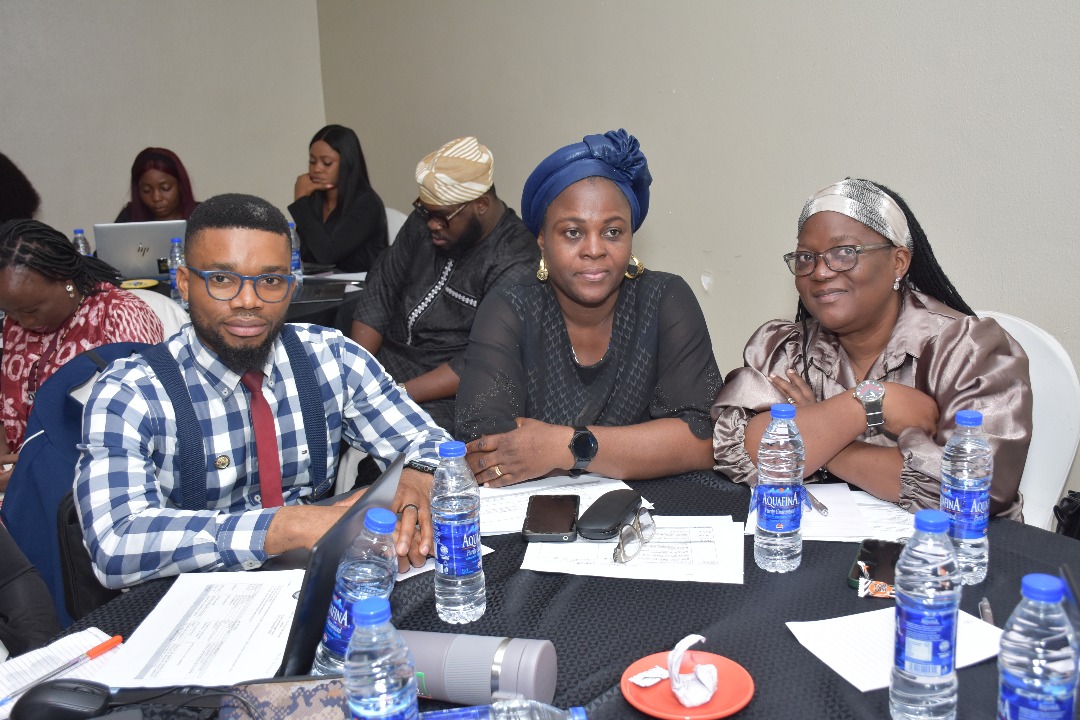
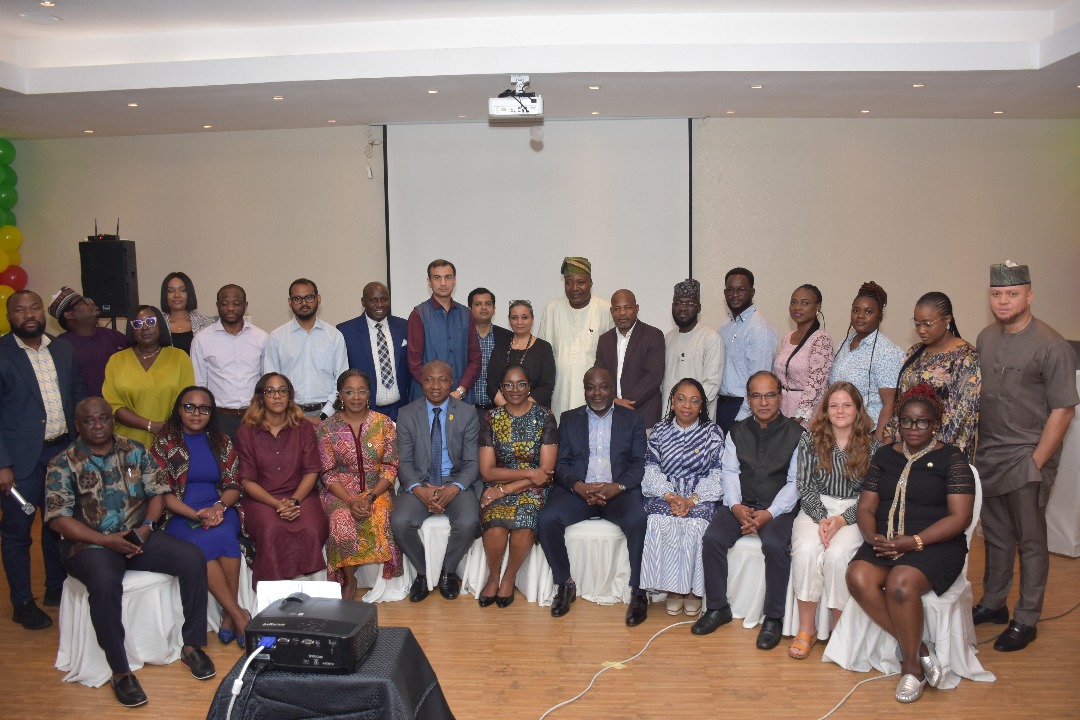
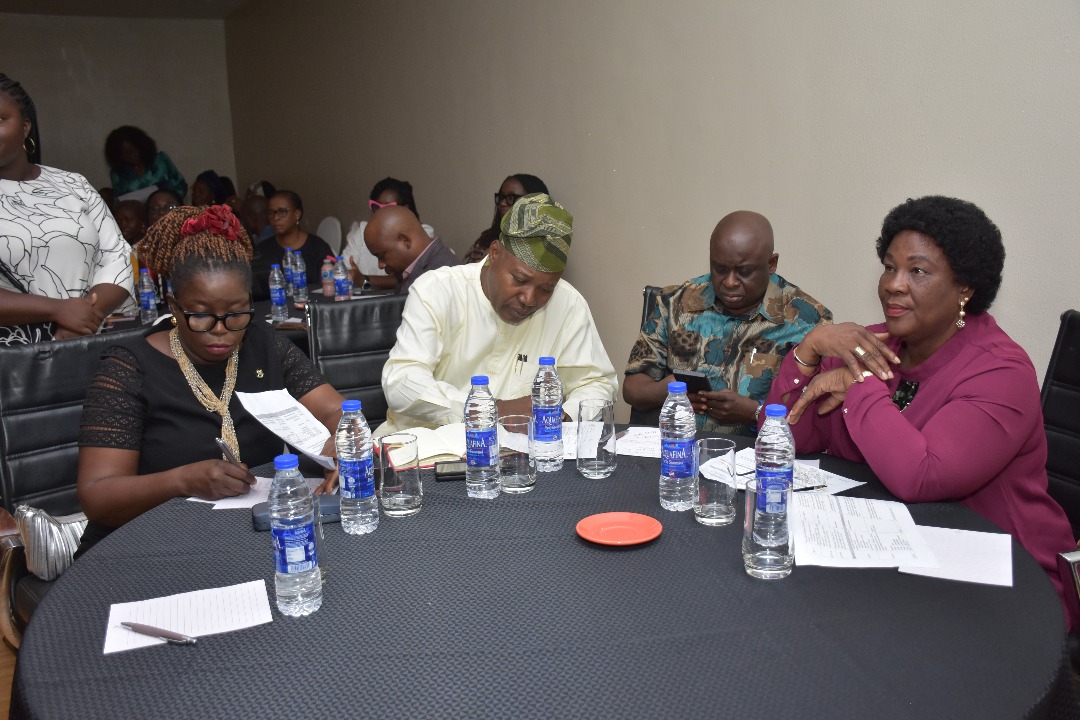
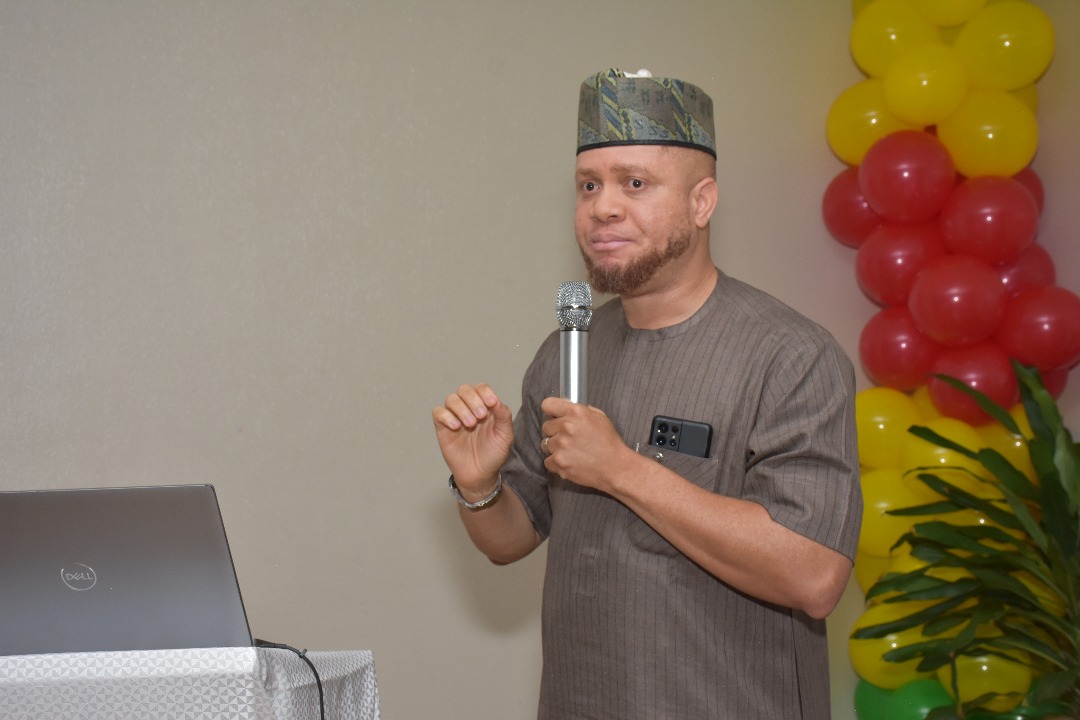
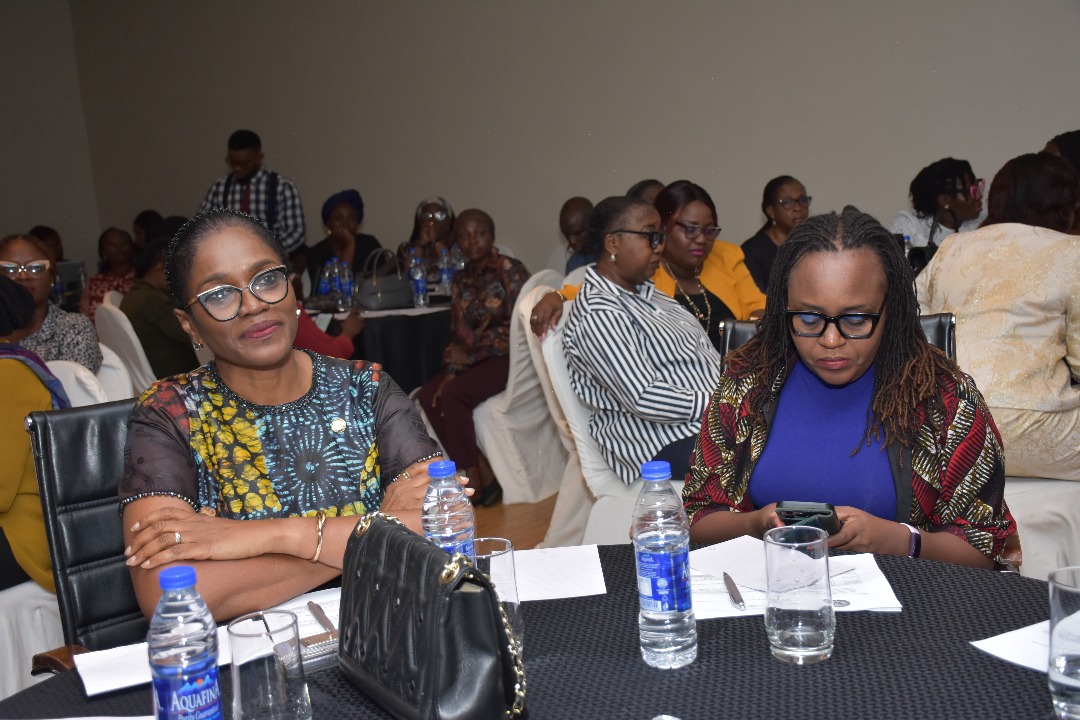
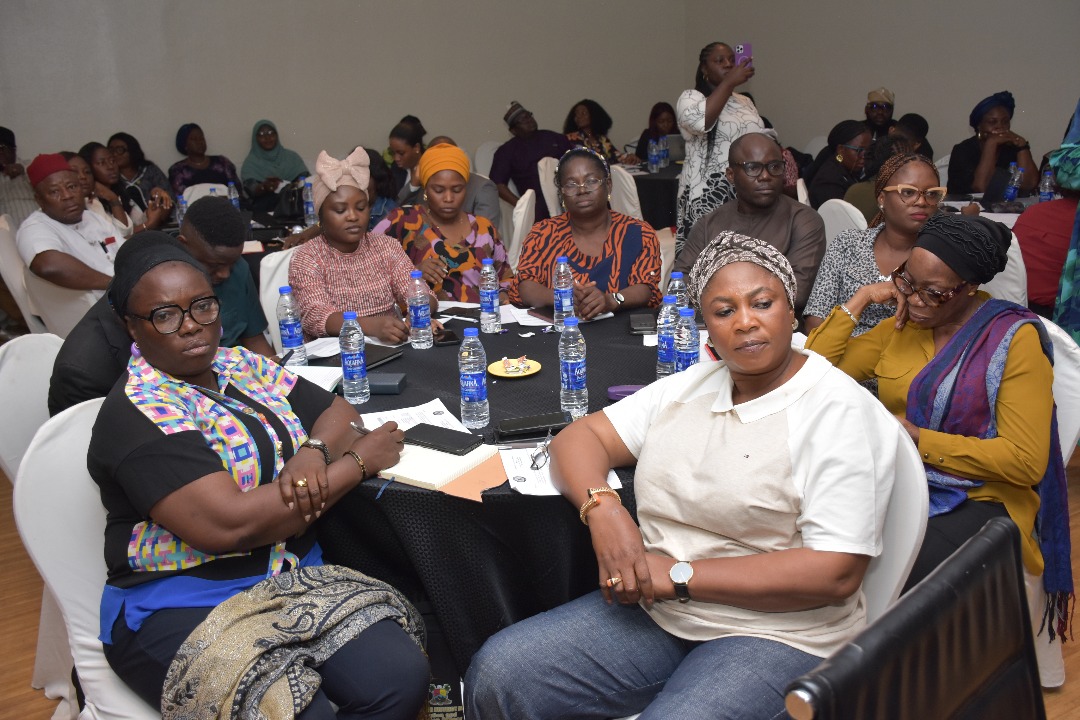
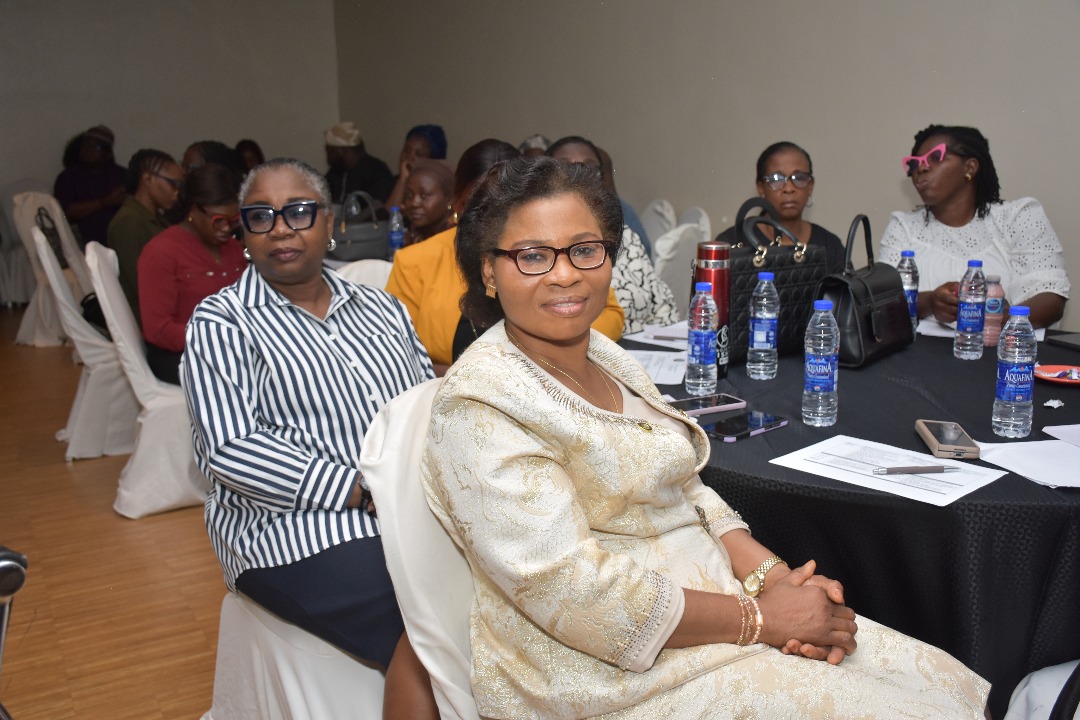
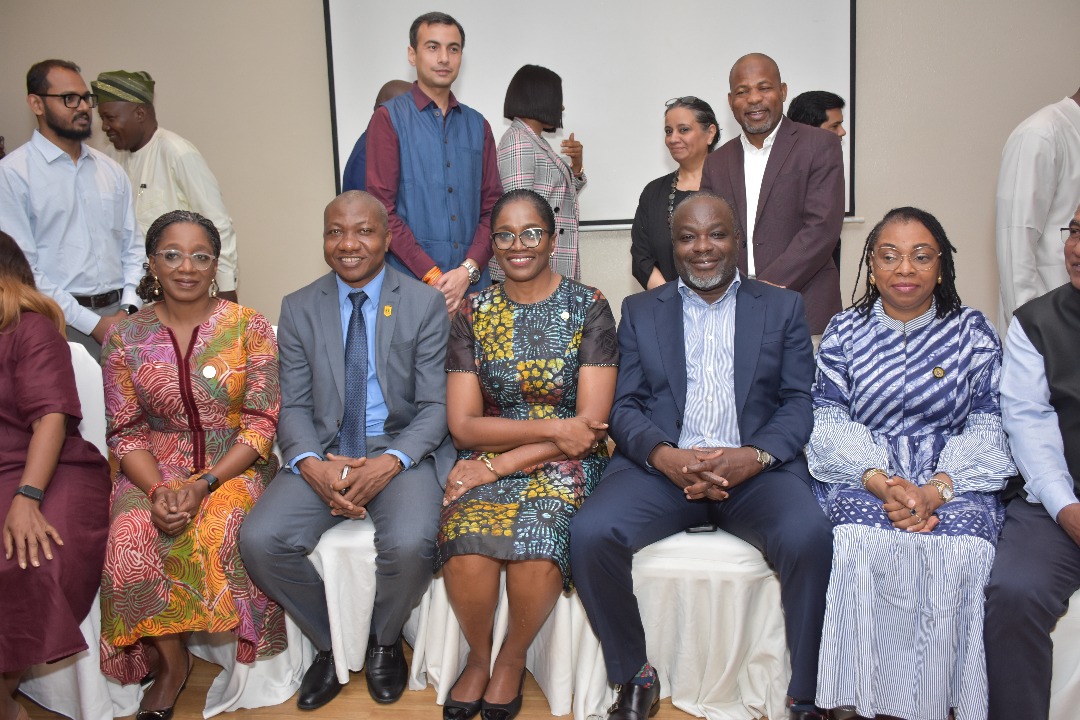
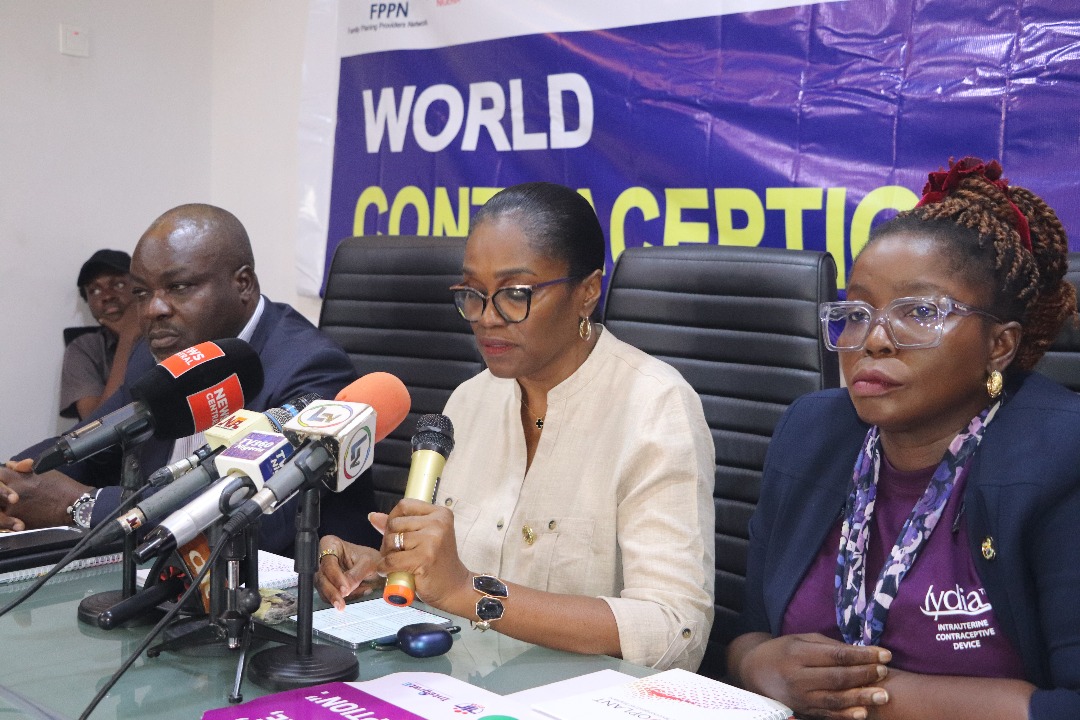
The Lagos State Government has declared its renewed commitment to strengthening Family Planning (FP) and Maternal & Newborn Child Health (MNCH) services, as findings from a landmark survey were unveiled at a three-day dissemination meeting held between 23rd and 25th of September, 2025 at the Sheraton Hotel, Ikeja, Lagos. The survey, conducted with the support of global health partners, assessed both supply and demand issues in over 8,000 health facilities across the state.
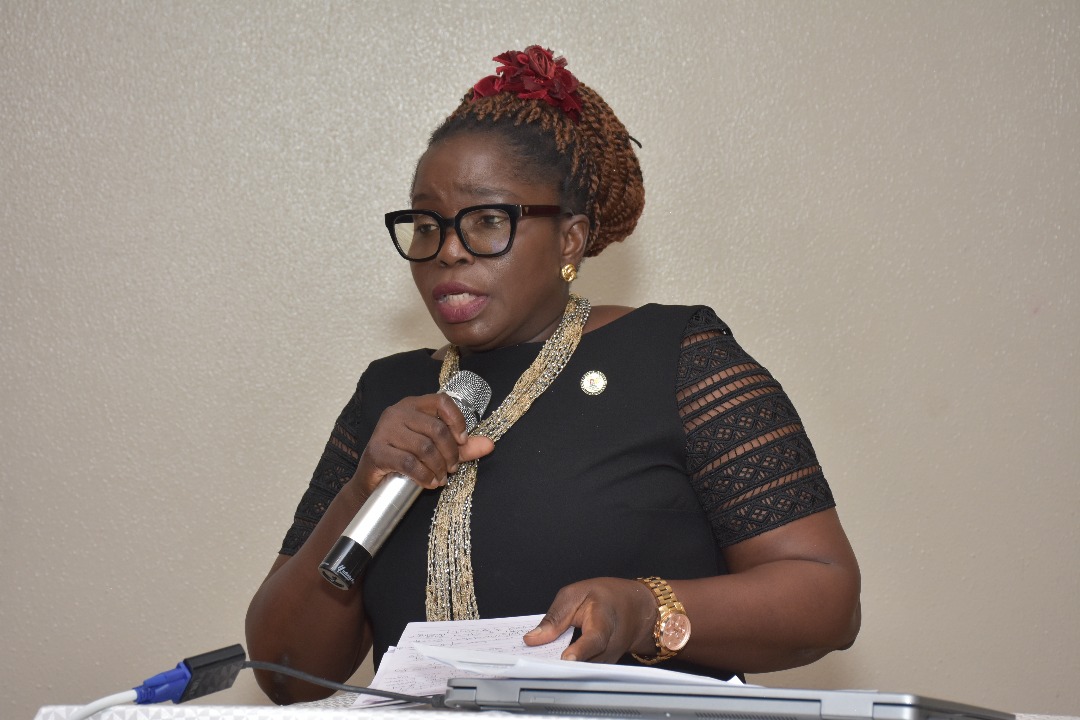
Delivering the keynote address, the Special Adviser to the Lagos State Governor on Health, Dr. (Mrs.) Kemi Ogunyemi, described the dissemination meeting as “a defining moment in the State’s journey towards improved reproductive health.” She noted that Lagos has made remarkable progress in expanding access to family planning through strong partnerships with government agencies, civil society and donors, adding that the next five years will be critical for consolidating those gains.
Dr. Ogunyemi disclosed that Lagos State is strengthening coordination to eliminate stock-out of FP commodities through a vibrant Technical Working Group, as well as last-mile distribution strategies to ensure end-users in all facilities have access to contraceptives. “Our vision is clear: to build a healthier future for women, children, families, communities, and the State at large,” she said.
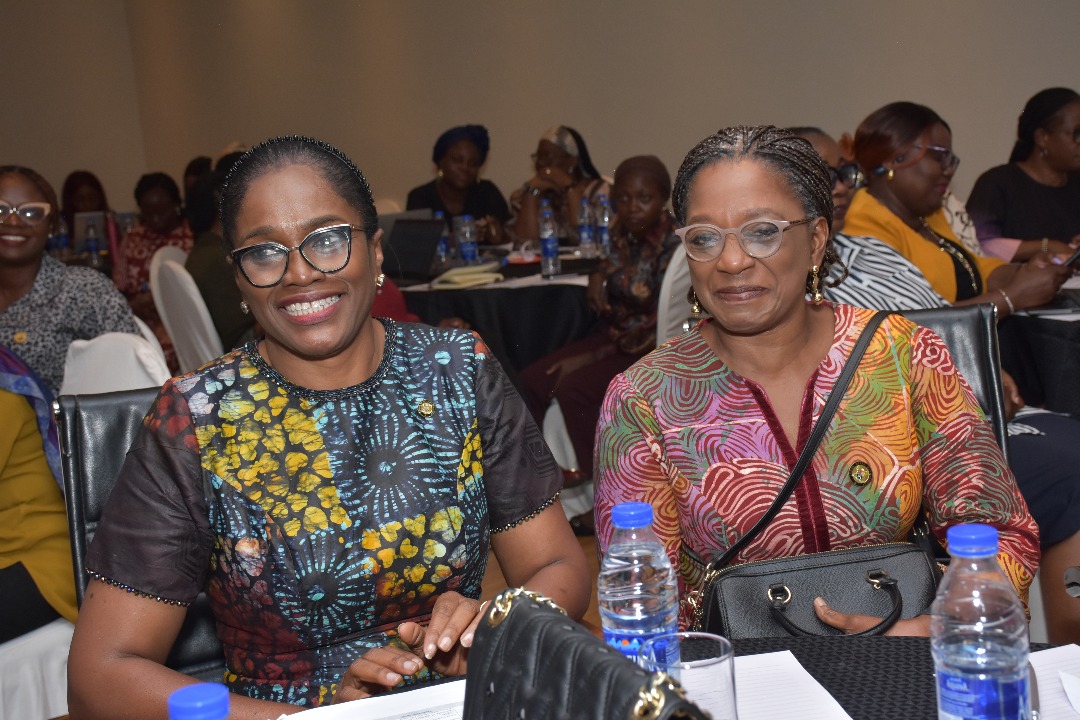
She stressed that the State has continued to invest in healthcare worker capacity, particularly in Long-Acting Reversible Contraceptives (LARC), while also improving the Commodity Logistics Management System (CLMS) and scaling up High Impact Practices (HIPS). The State’s target, she noted, is to increase the modern Contraceptive Prevalence Rate (mCPR) from 30.7% to 40% by 2030.
Speaking further, the Special Adviser explained that the comprehensive survey was made possible through the support of the Gates Foundation and conducted in collaboration with the University of Manitoba, Surgo Health, the West African Centre for Public Health and Development, among others. Over 8,000 health facilities were assessed while demand-side research engaged thousands of women across Lagos.
“The findings from this survey will help us tackle myths and misconceptions, ensure commodity security, and guarantee that no one is left behind — not adolescents, not women in underserved communities, nor married couples seeking to plan their families,” Dr. Ogunyemi emphasized. She urged stakeholders to remain committed to translating research into practical strategies that deliver impact.
In his address, the Permanent Secretary, Lagos State Ministry of Health, Dr. Olusegun Ogboye, described the dissemination meeting as “the culmination of months of rigorous research and shared commitment.” He commended partners such as the University of Manitoba, Surgo Health, and CHAI for their technical leadership, and the Gates Foundation for its financial support.
Dr. Ogboye underscored the timeliness of the survey, which provided fresh evidence on service delivery gaps and the perceptions of Lagos residents towards FP and MNCH services. He said the data would serve as a strong foundation for refining policies and implementing interventions that ensure equitable access to care for every family.
According to him, the meeting was more than a data review; it represented a platform for meaningful engagement. “Let us go far together for the health and future of Lagos State,” he said, echoing the African proverb that underscores collective effort.
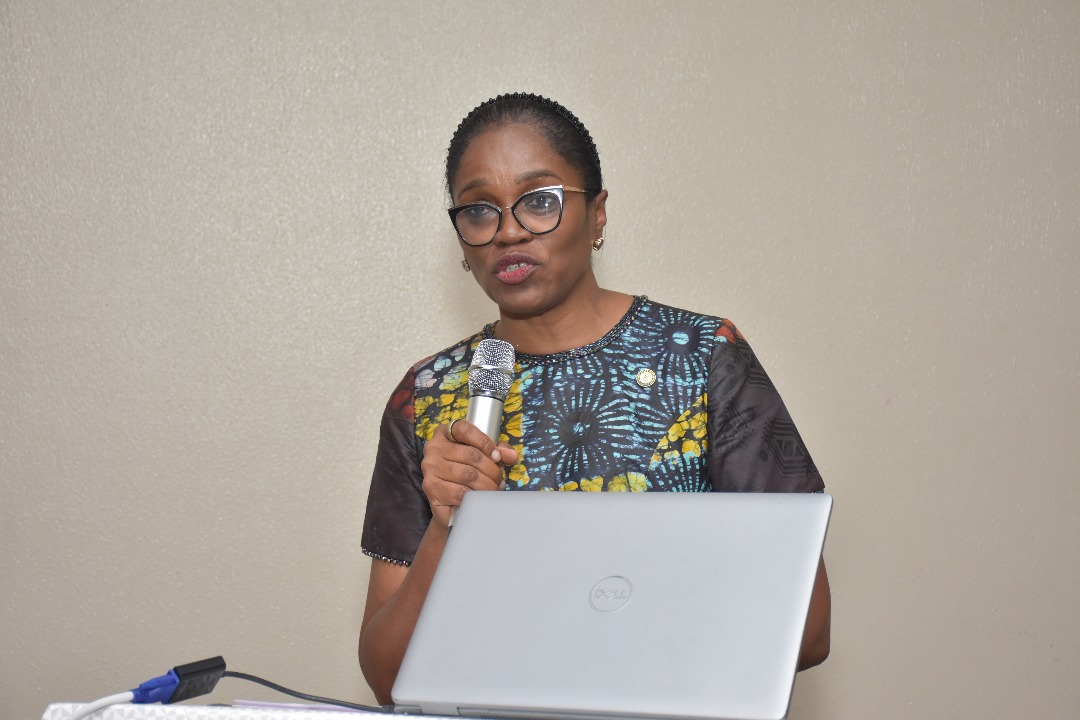
Director of Family Health and Nutrition at the Lagos State Ministry of Health, Dr. Folashade Oludara, praised the Special Adviser and the Permanent Secretary for their commitment to ensuring the success of the survey. She noted that while Lagos is already a leader in contraceptive prevalence in Nigeria, the target of 40% mCPR would require stronger collaboration with partners.
She added that the survey has now provided evidence that will help government and partners channel interventions more effectively. “We know our problems, but now we have the evidence to back our decisions. With this evidence, we can design better strategies to move forward,” she said.
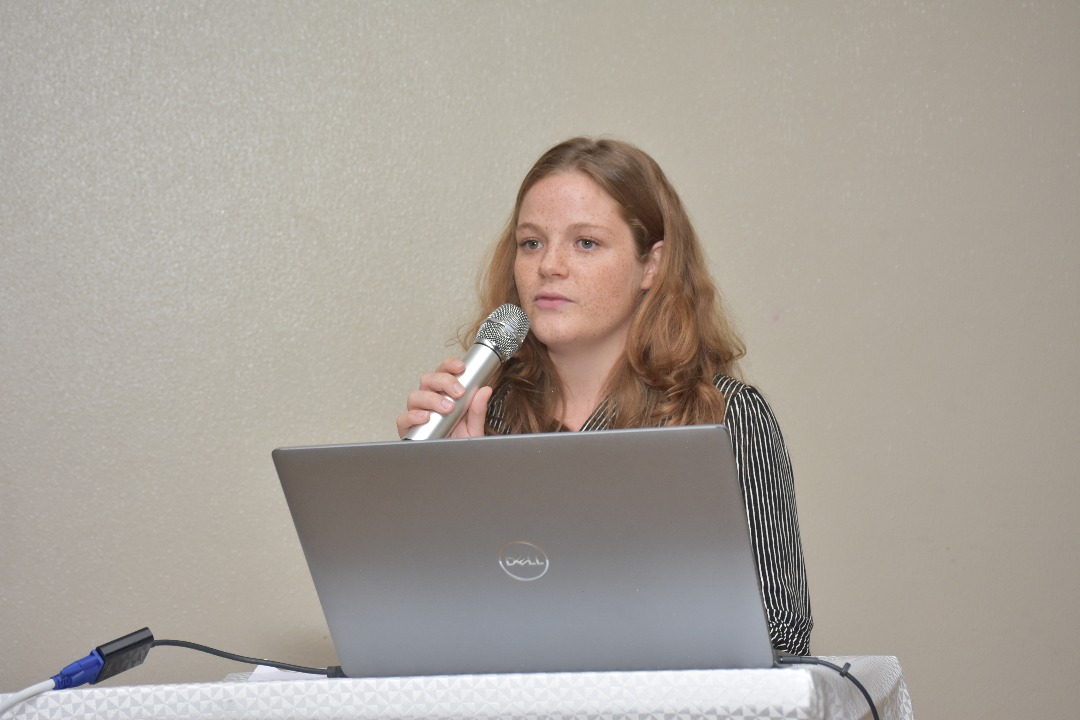
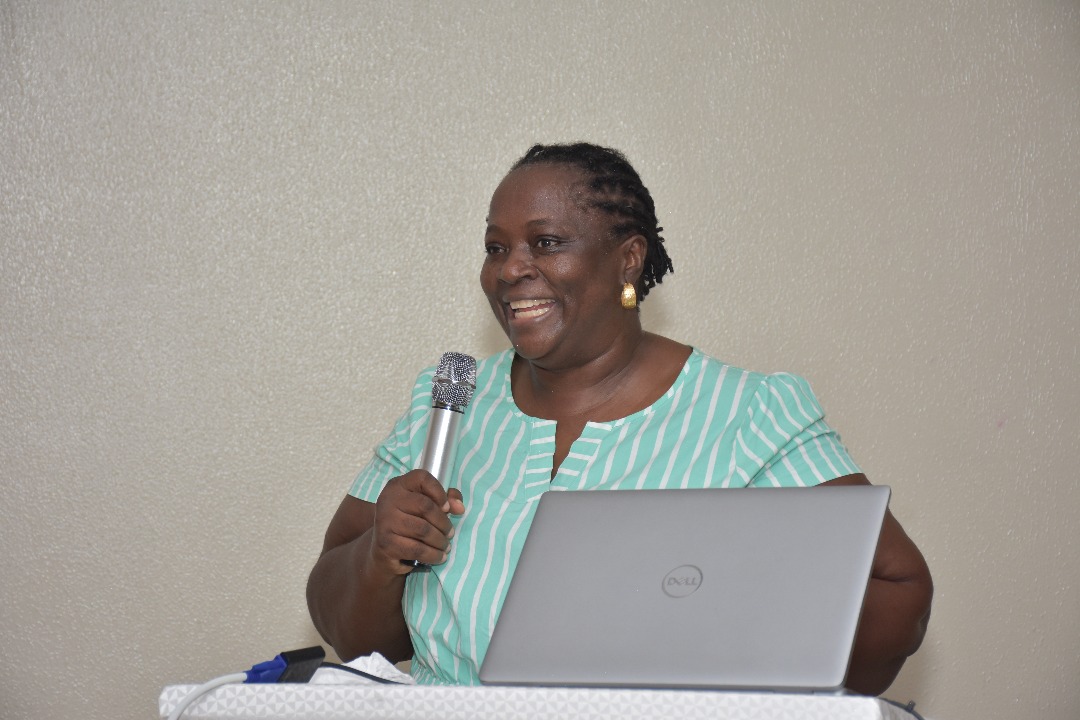
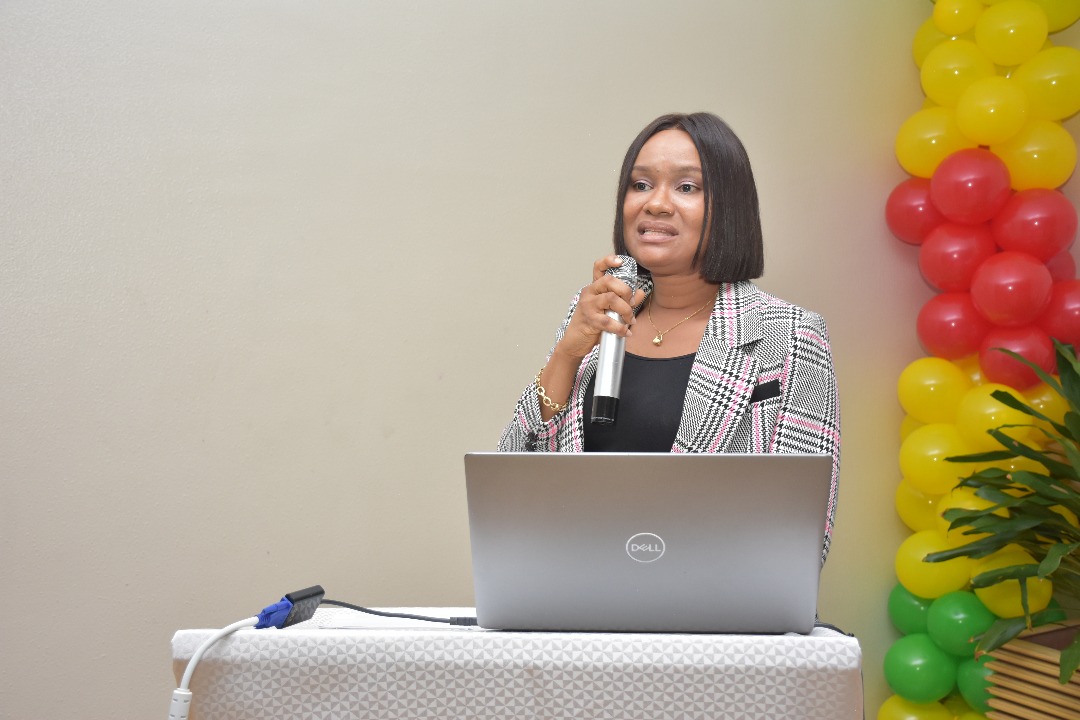
Presenting the demand-side findings, Ms. Salomé Garnier of Surgo Health revealed that the survey engaged 4,548 women aged 15–49 across Lagos. She said the study explored women’s perceptions, intent to use contraceptives, barriers to uptake, and partner influence.
According to her, Lagos has one of the highest education levels among women in Nigeria, with 84% of respondents having at least secondary education. However, she noted that myths, misconceptions, and partner opposition remain barriers to FP uptake despite high awareness.
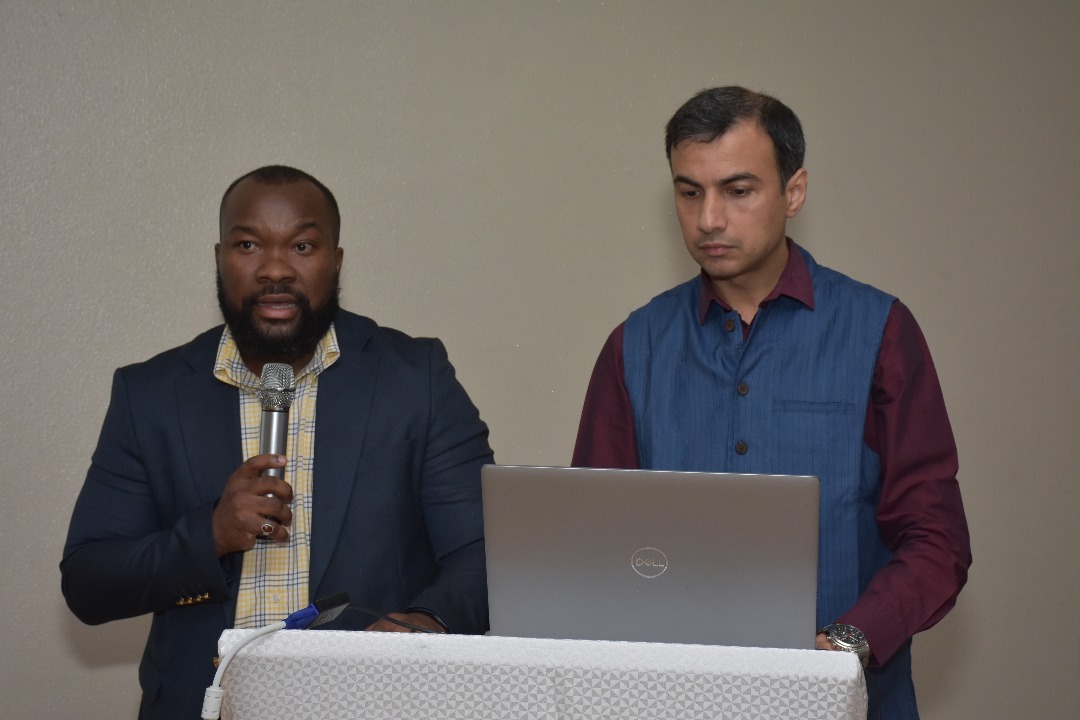
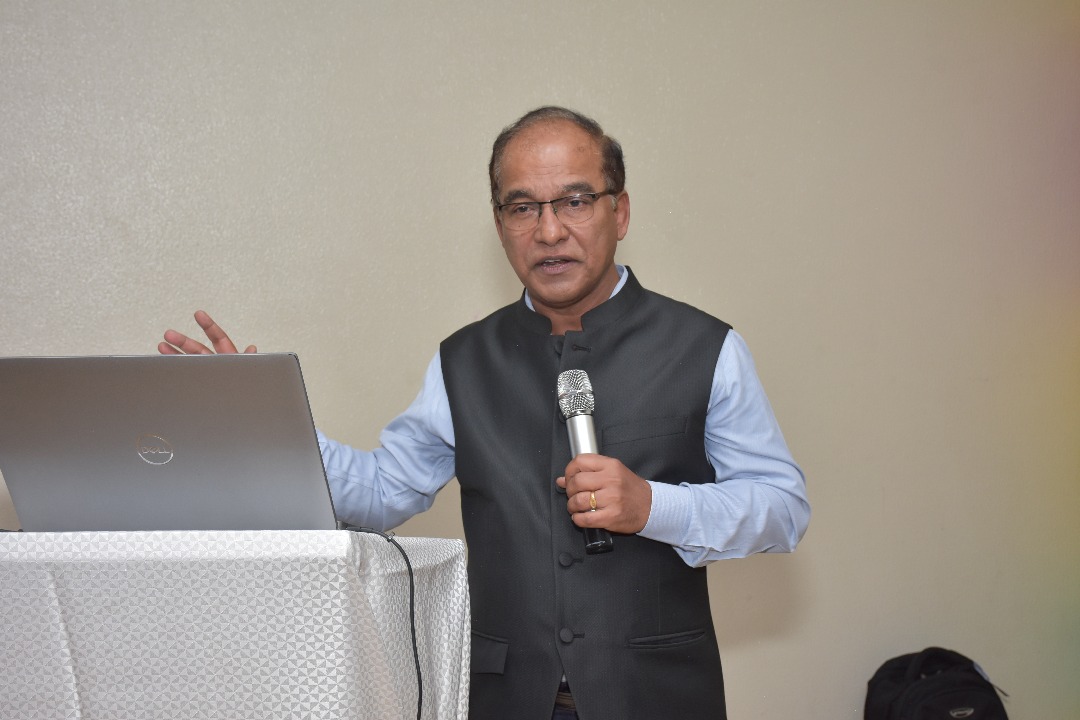
On the supply-side, Dr. Shajay Isac, Senior Technical Advisor at the University of Manitoba, highlighted that Lagos has recorded significant improvements in institutional deliveries and reduced child mortality. Yet, unmet need for FP remains at 12.6%, while reliance on traditional methods is still high.
Dr. Isac explained that the survey mapped all public facilities, private facilities, pharmacies and PPMVs, and interviewed over 4,000 providers across Lagos. The findings, he said, would guide strategic interventions to improve access, quality and equity in FP and MNCH service delivery.
With the presentation of the survey and the deliberations, stakeholders including donors, researchers, government agencies, and civil society organizations are expected to use the evidence to design policies and interventions that will shape the future of reproductive, maternal and child health in Lagos.