..State Government Expands Scope of TSTS to Boost Essential Service Delivery
…Policy Targets RMNCAH+N, TB, HIV, Malaria and NCDs Across Underserved Communities
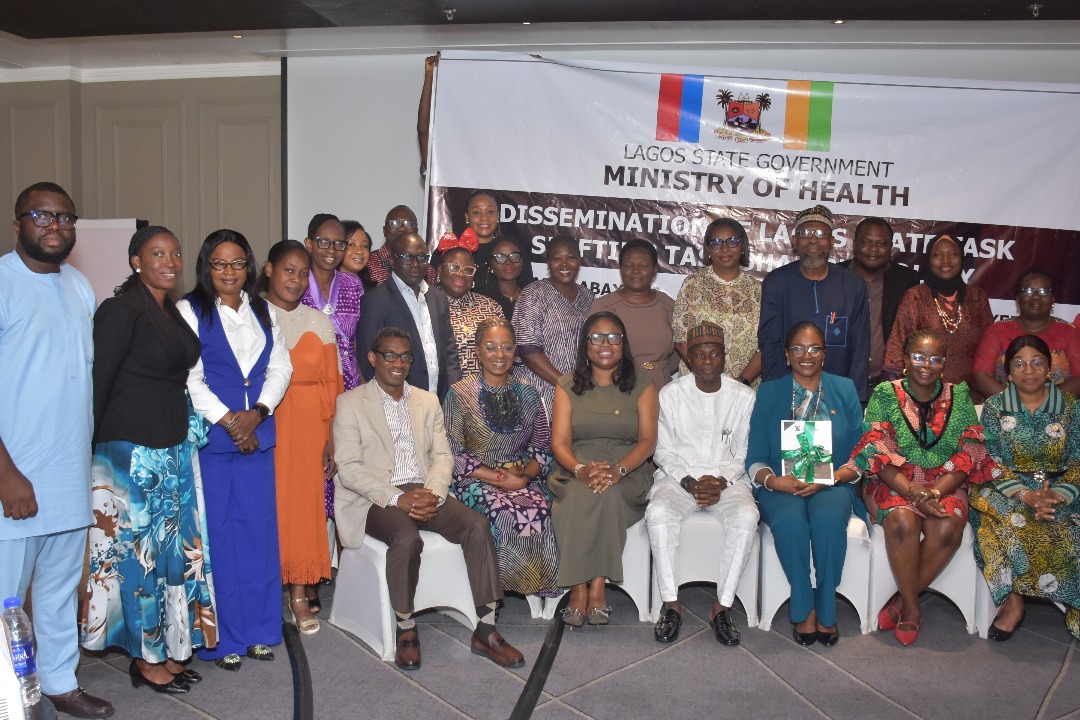
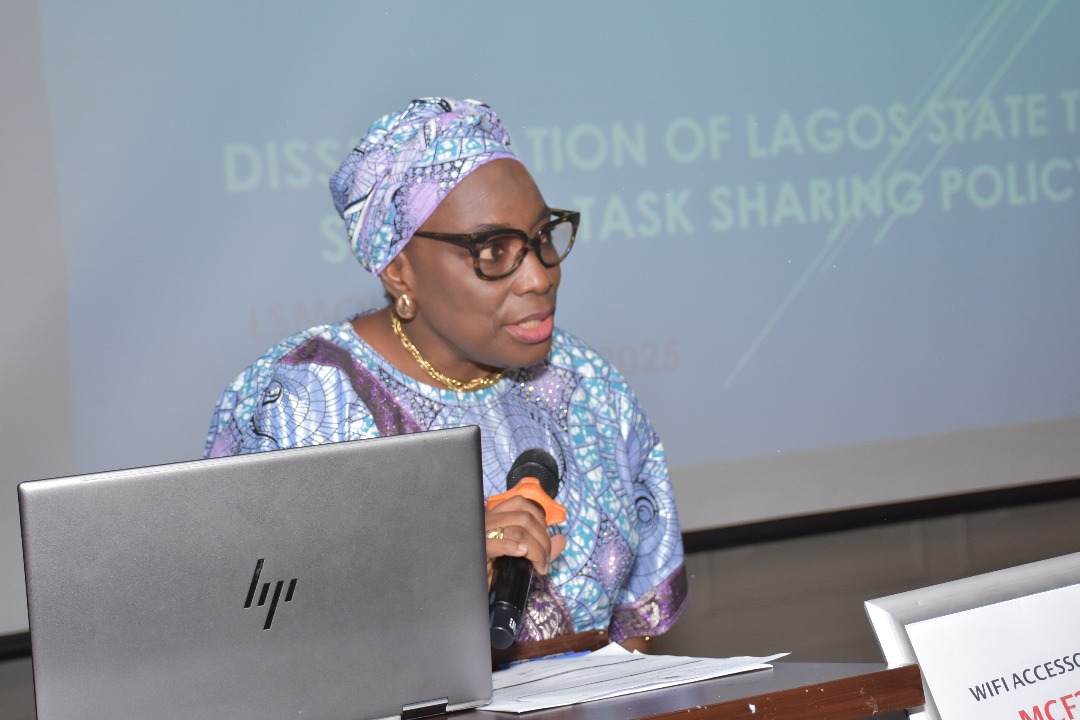
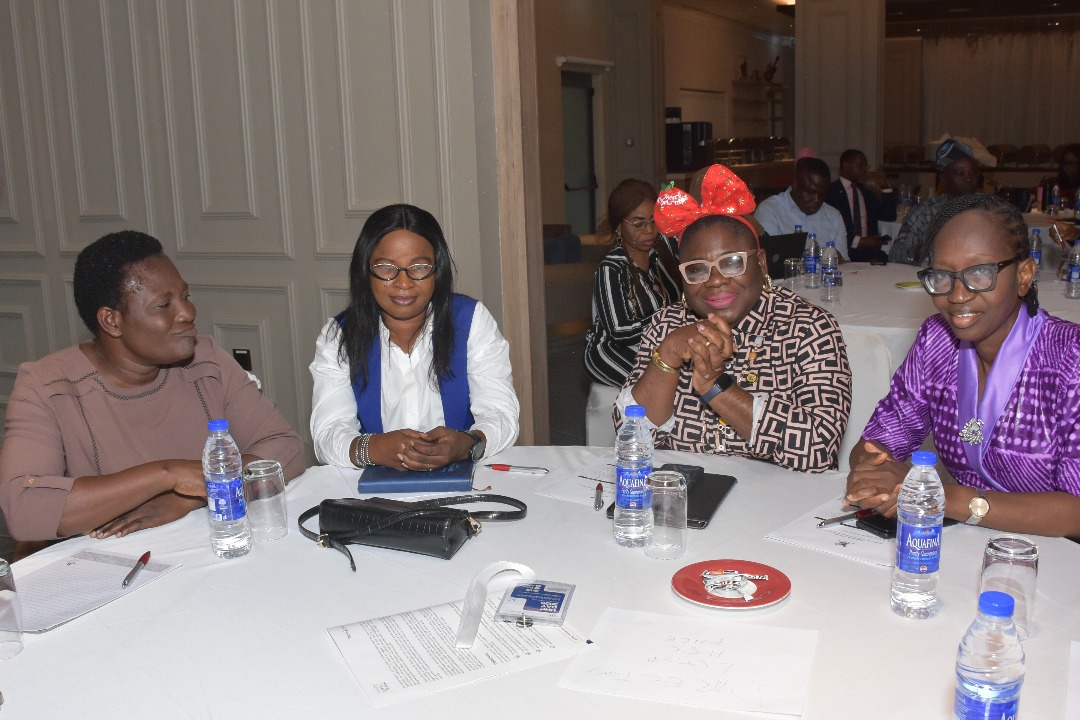
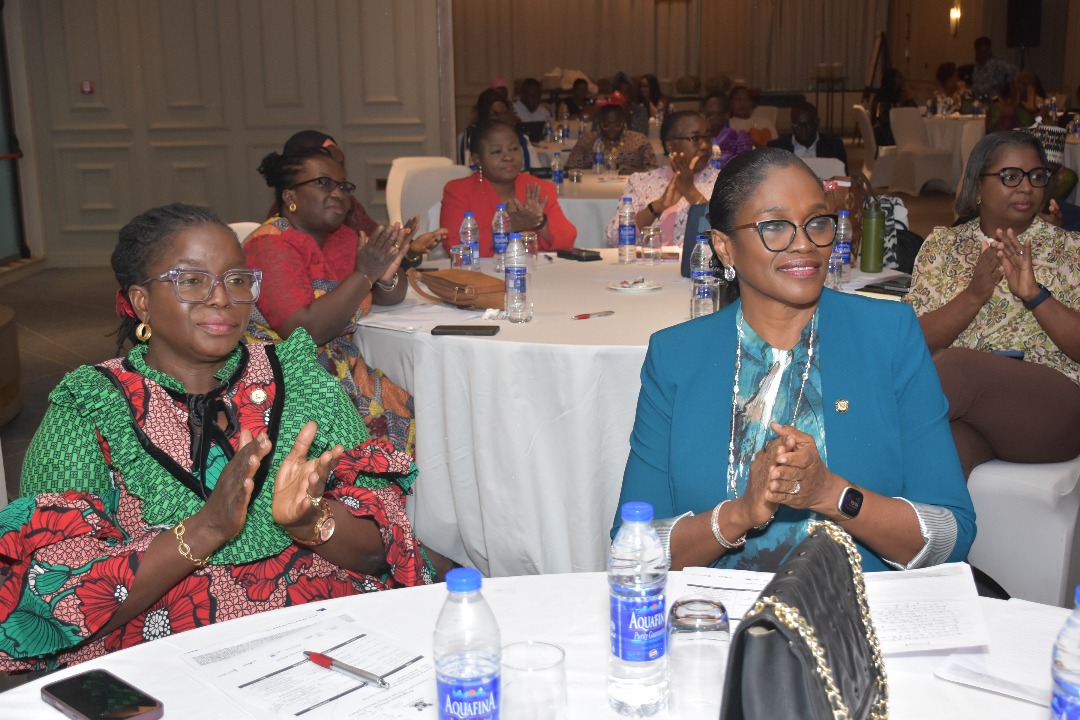
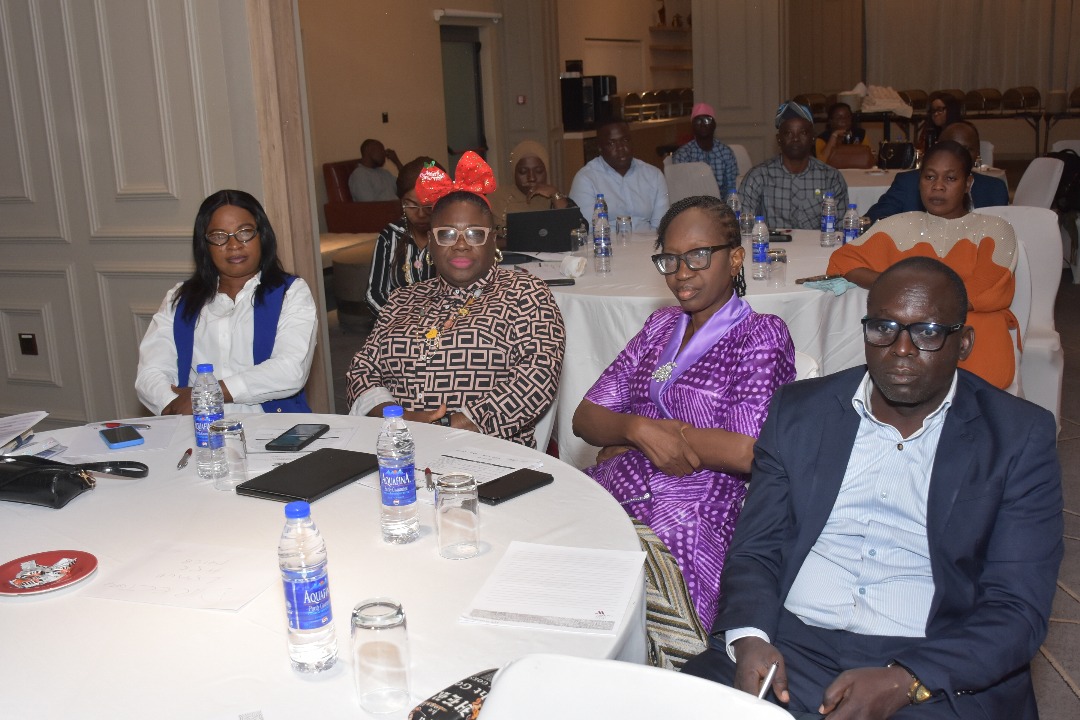
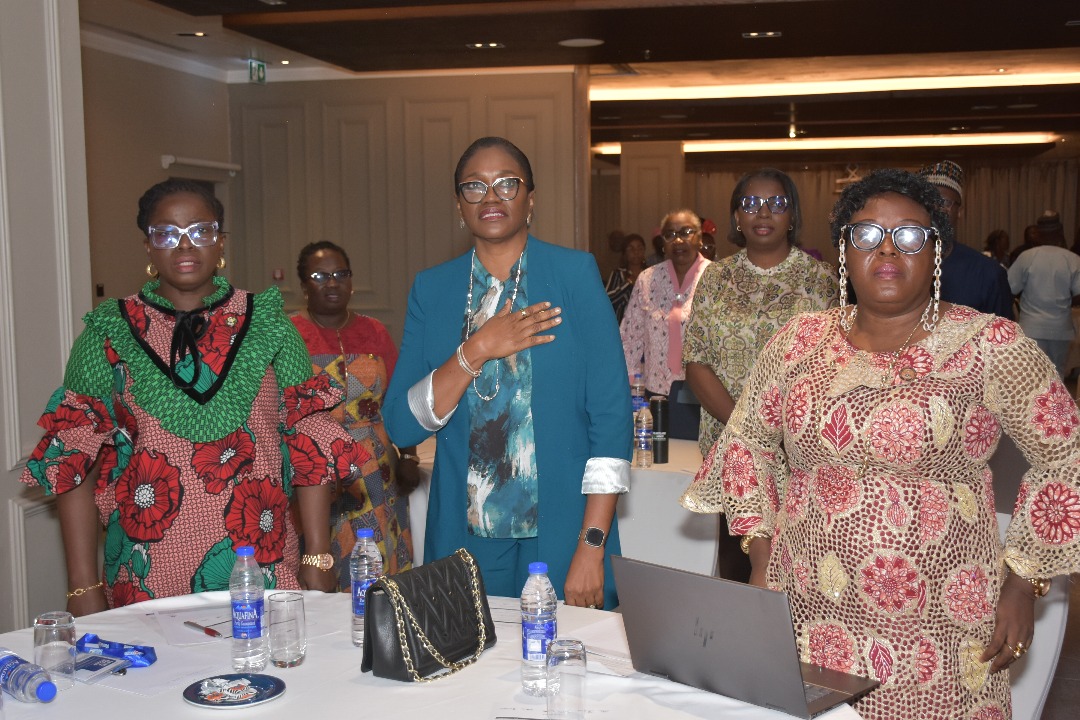
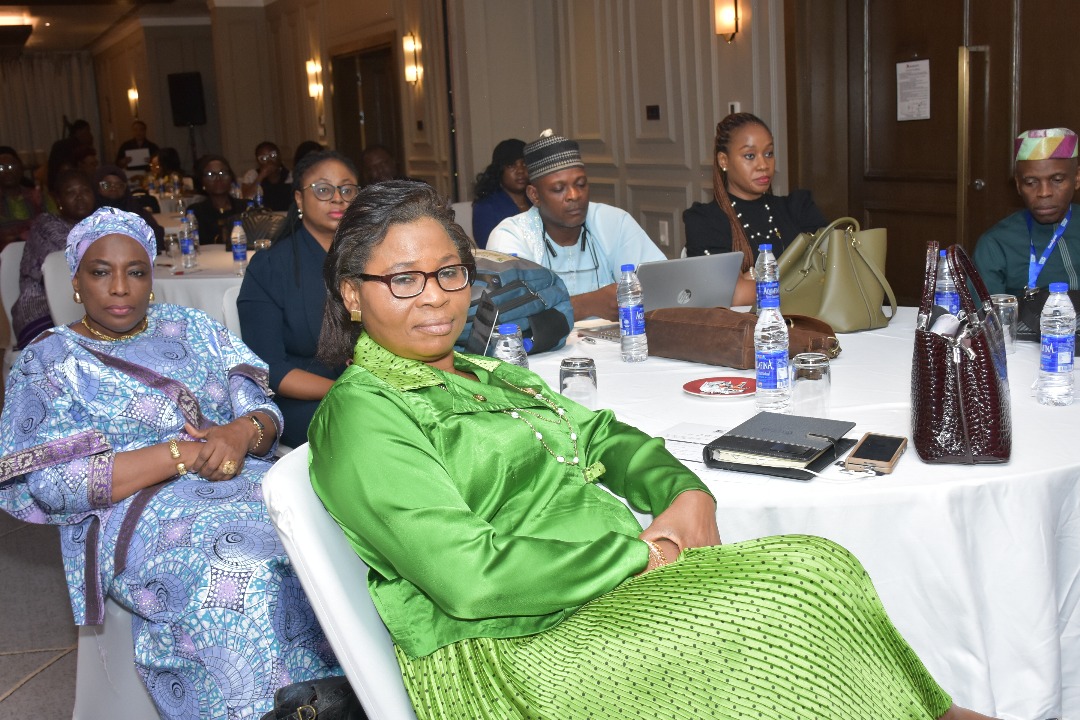
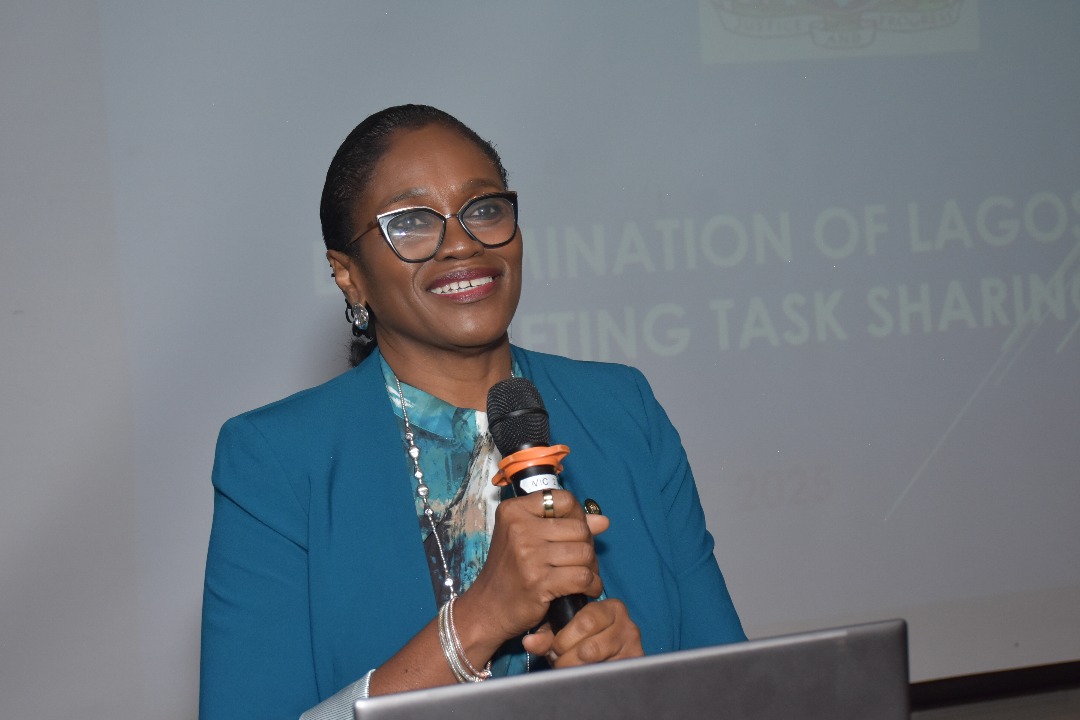
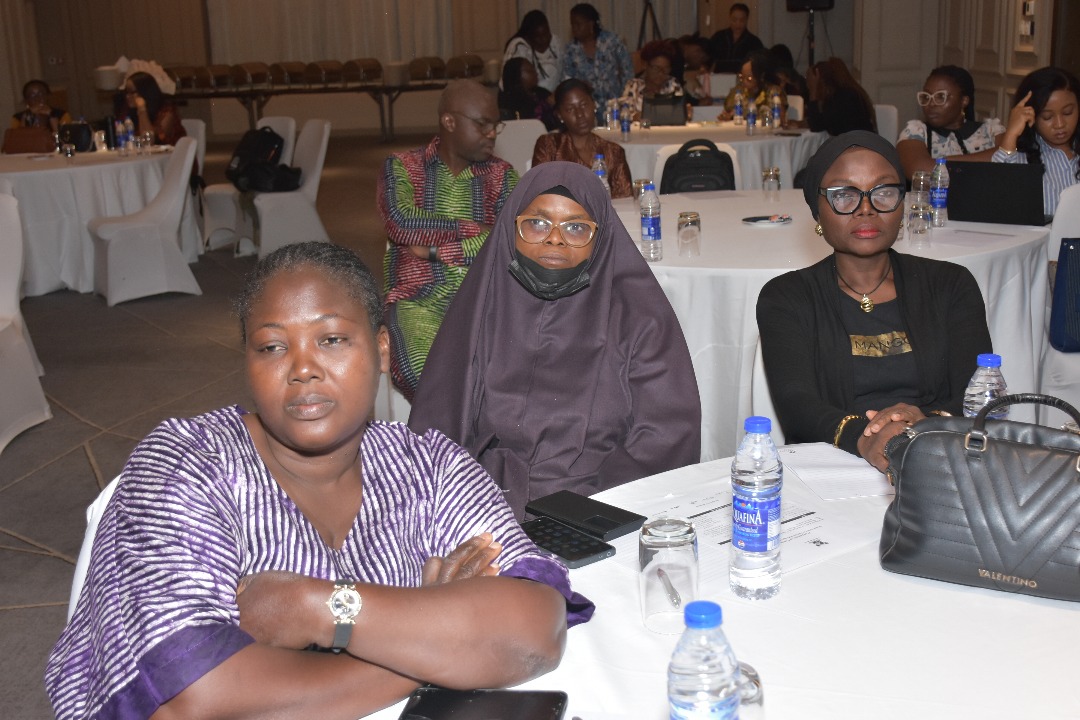
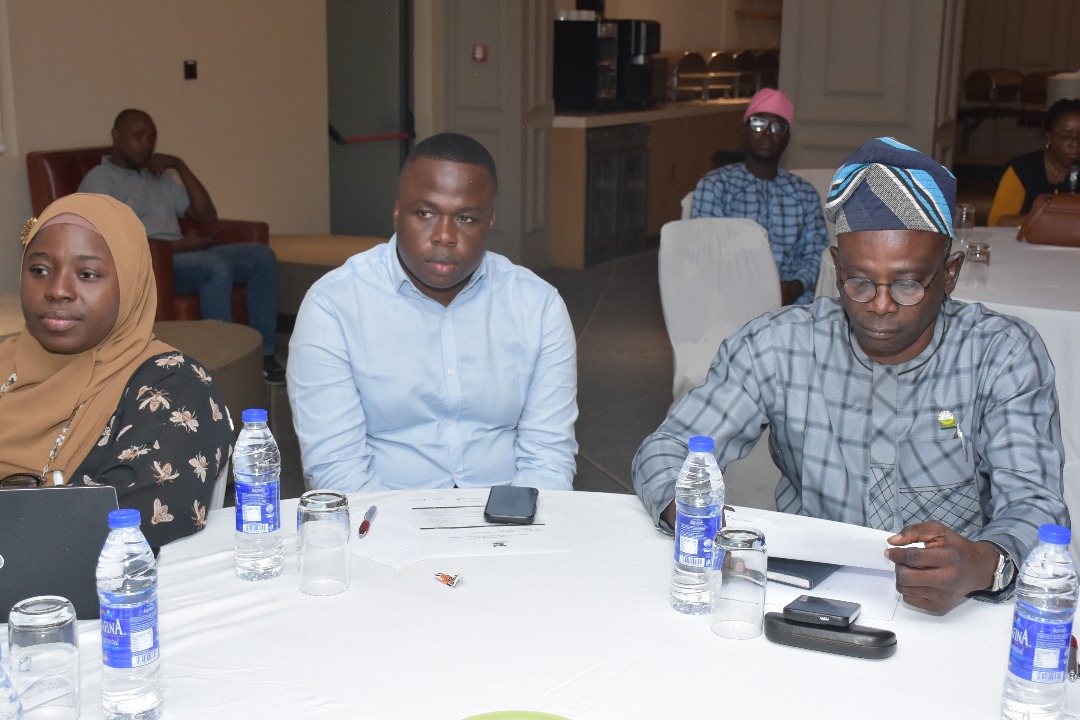
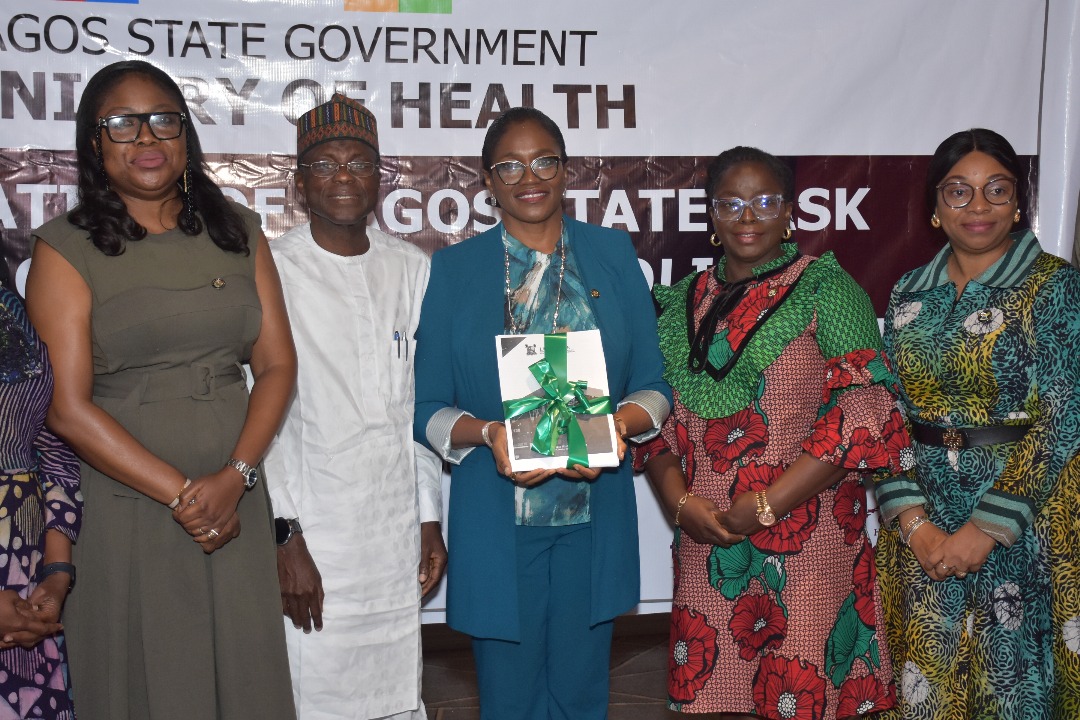
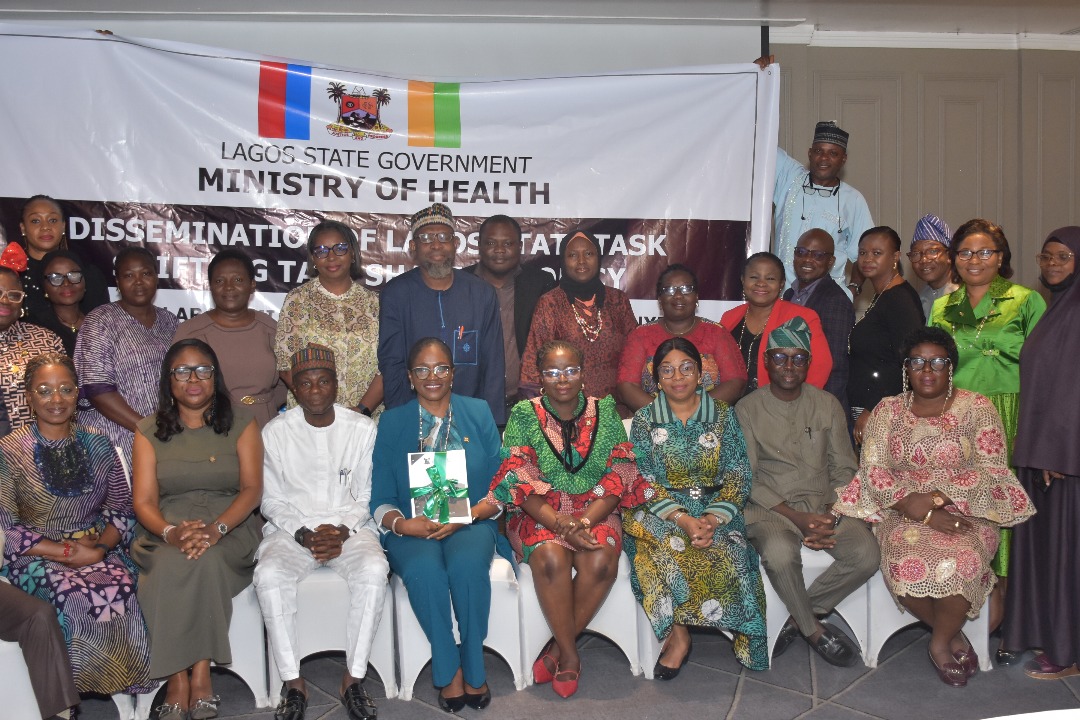
Lagos State on Thursday 11th December launched and formally disseminated its revised Task-Shifting Task-Sharing (TSTS) Policy, marking a major milestone in its efforts to close persistent human resource gaps and expand access to essential healthcare for over 30 million residents. The event, held at the Marriott Hotel, Ikeja, drew policymakers, development partners, professional bodies and technical experts who endorsed the new policy as a transformative tool for achieving Universal Health Coverage (UHC).
Speaking at the launch, Special Adviser to the Governor on Health, Dr. (Mrs.) Kemi Ogunyemi, said the revised TSTS policy was adapted from the national framework and strategically redesigned to suit Lagos’ unique population needs and service realities. She noted that the updated document reflects lessons learnt from the 2017 edition, incorporating wider stakeholder input, clearer operational guidelines and improved alignment with global best practices.
Ogunyemi emphasized that Lagos’ rapidly growing population has intensified the need for innovative workforce solutions, given the shortage and uneven distribution of healthcare professionals across public and private facilities. She highlighted WHO’s 2.3 doctors, nurses and midwives per 1,000 population benchmark, stressing that Lagos’ current density necessitates urgent action to optimize available human resources.
She explained that the revised TSTS policy empowers frontline health workers; such as nurses, midwives and Community-Oriented Resource Persons (CORPs) to take on expanded roles in three priority areas: RMNCAH+N; Tuberculosis, Malaria and HIV; and Non-Communicable Diseases. According to her, the new framework strengthens primary healthcare delivery, reduces unnecessary referrals and ensures more equitable access to essential services across underserved communities.
The Special Adviser added that the policy is backed by a costed implementation plan and Standard Operating Procedures (SOPs) outlining training requirements, supervision mechanisms and task boundaries for each cadre. She urged stakeholders, professional bodies and development partners to support effective rollout, noting that collaboration is vital to achieving the intended system-wide impact.
In her welcome address, the Coordinating Director, Lagos State Ministry of Health, Dr. Folashade Oludara, said the policy adaptation process was carried out with careful regard for legal safeguards and alignment with the National TSTS framework. She described the document as a strategic tool for addressing ongoing human resource shortages without compromising quality or safety of care.
Oludara explained that the policy enables lower-cadre workers to provide lifesaving services when higher-level personnel are unavailable, provided they have undergone rigorous training and demonstrated requisite proficiency. She noted that this approach ensures continuity of care at primary and community levels, particularly in areas with severe workforce deficits.
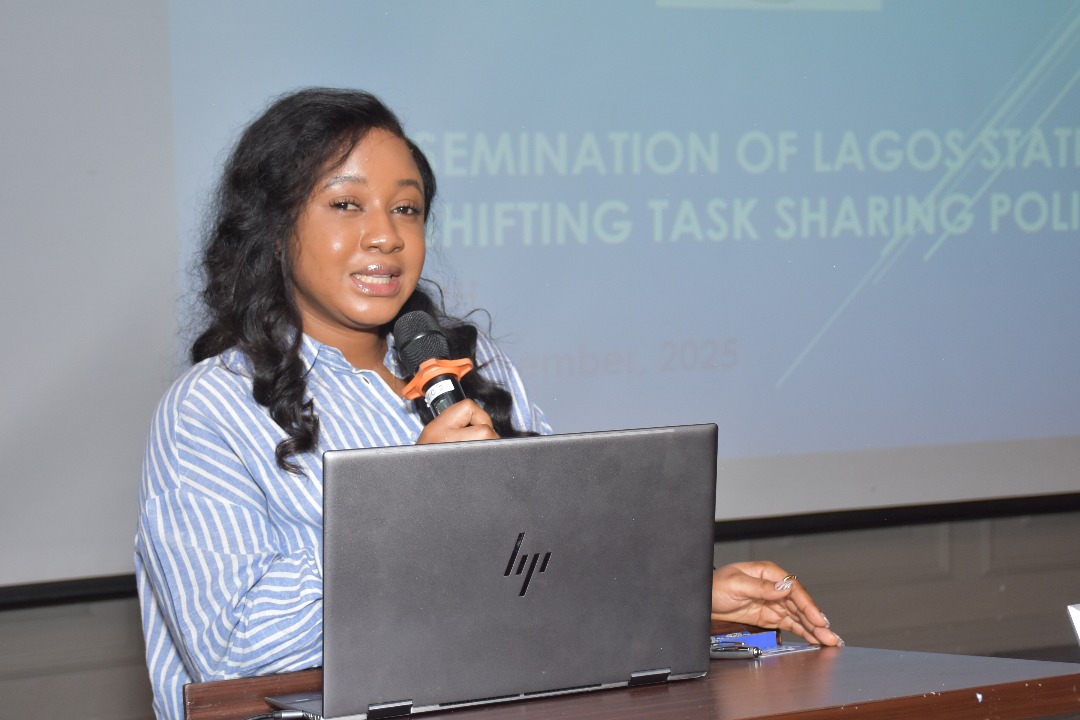
During her presentation, the Director of Healthcare Planning, Research and Statistics at the Lagos State Ministry of Health, Dr. Olajumoke Oyenuga, said the policy revision process began early in 2025 and involved extensive technical sessions, situation analyses and evidence reviews. She noted that the 2025 edition is more robust and representative due to expanded participation from professional groups, regulatory bodies and development partners.
Oyenuga added that the updated document is accompanied by a costed implementation plan and SOPs to guide training, deployment and quality assurance. She stressed that task-shifting would only apply in contexts where the primary cadre is unavailable or overstretched, and remains essential to achieving equity and accessibility under the UHC agenda.
Delivering a goodwill message, Vivian Nwakolobi of the Clinton Health Access Initiative (CHAI) said the revised TSTS policy aligns strongly with CHAI’s mission to decentralize quality healthcare to grassroots communities. She noted that the document provides an opportunity to ensure that every Lagos resident, regardless of socioeconomic status, can access timely care.
Nwakolobi added that CHAI values its long-standing partnership with the Lagos State Government and remains committed to supporting the policy’s successful implementation at facility and community levels.
Also delivering goodwill remarks, the Director and Team Lead of the Pharmaceutical Society of Nigeria Foundation (PSNF), Mr. Munir Elelu, described the launch as a significant step toward improving healthcare outcomes for underserved populations. He called for stronger collaboration among stakeholders to ensure seamless rollout and periodic review of the policy.

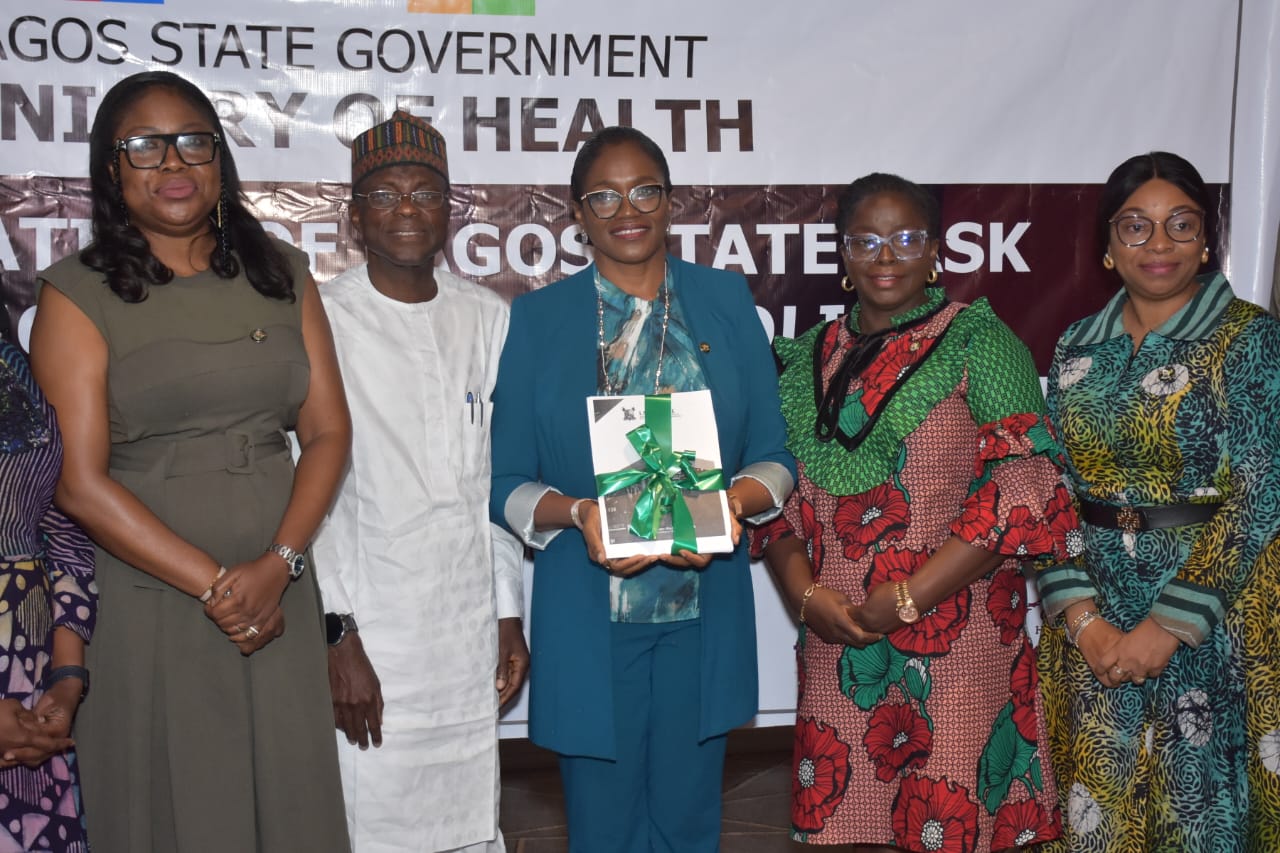
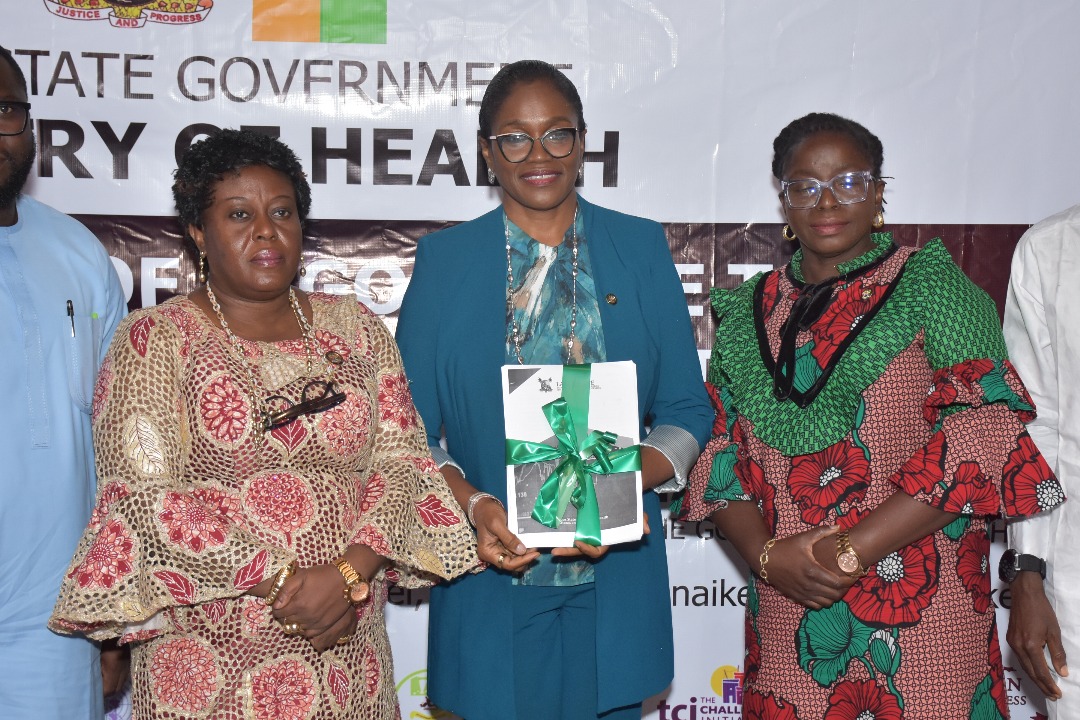
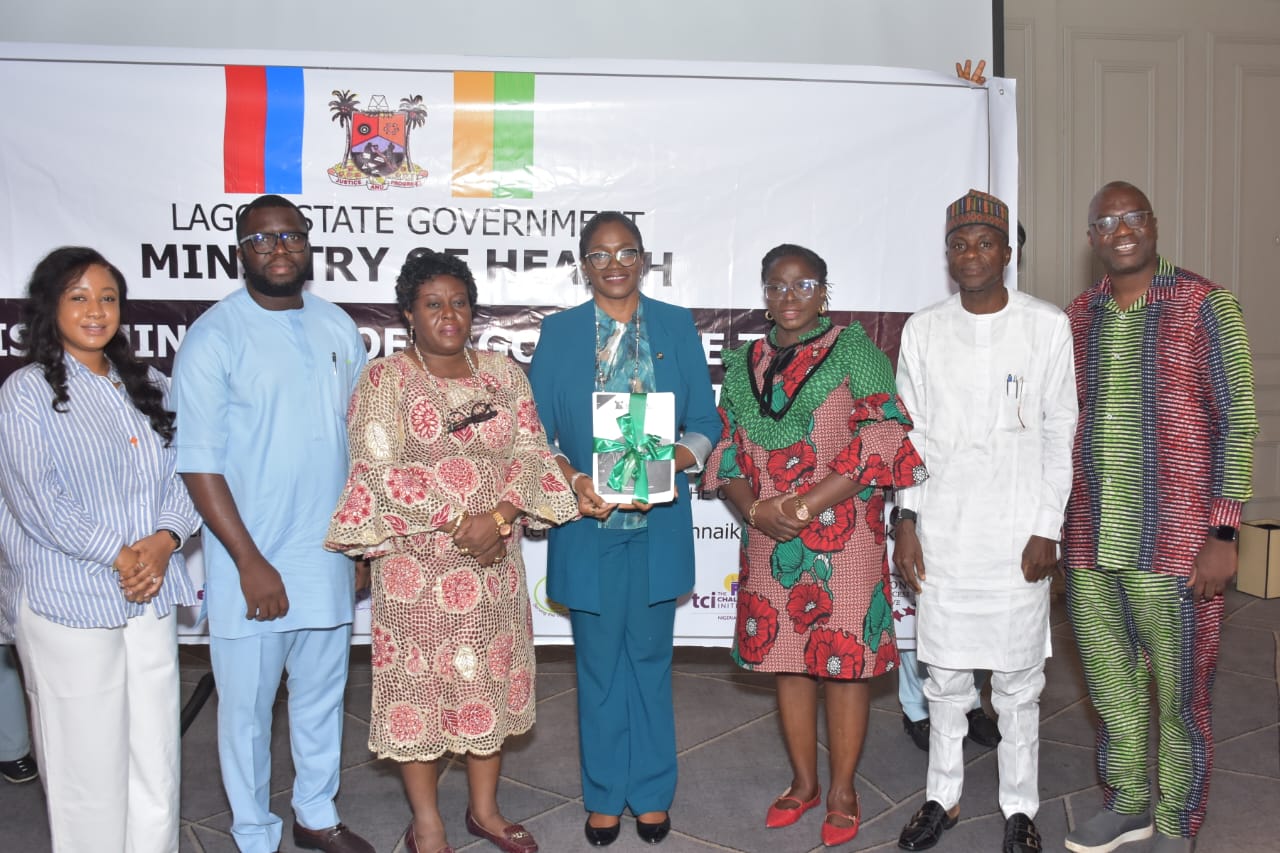
From L-R: Permanent Secretary, Lagos Health District III, Dr. Monsurat Adeleke; Director and Team Lead of Pharmaceutical Society of Nigeria Foundation (PSNF), Mr. Munir Elelu; Special Adviser to the Governor on Health, Dr. (Mrs.) Kemi Ogunyemi; Coordinating Director, Lagos State Ministry of Health, Dr. Folashade Oludara and the Permanent Secretary, Lagos Health District II, Dr. Dayo Lajide at the Official Launch and Dissemination of the Revised Lagos State Task-Shifting Task-Sharing Policy held at the Marriott Hotel Ikeja on Thursday 11th December, 2025
Elelu urged partners to sustain commitments made during the development phase, warning that inadequate coordination could hinder implementation. He affirmed PSNF’s readiness to work alongside the state to strengthen service delivery and workforce efficiency.
In her remarks, the Executive Director of the Centre for Bridging Health Gaps and consultant for the TSTS process, Dr. Moriam Jagun, noted that Lagos has consistently demonstrated leadership in health reform and remains a trailblazer in task-shifting initiatives. She emphasized that the policy is critical for optimizing human resources and meeting essential service needs, particularly for women and marginalized communities.
Jagun stressed that without bold and radical approaches such as TSTS, the state cannot attain the required health workforce density recommended by global standards. She urged stakeholders to internalize the long-term benefits of the policy and commit to sustained action, noting that the 2017 edition was not fully implemented.
Jagun further explained that the revised policy draws from national and global evidence, and is endorsed by the WHO and National Council on Health. She described the document as a necessary evolution for Lagos, as demographic pressures and service demands continue to outpace available workforce capacity.