… As Stakeholders Chart New National Path for Tech-Driven Family Planning Services
…Stakeholders push for nationwide scale-up and stronger ePharmacy regulation
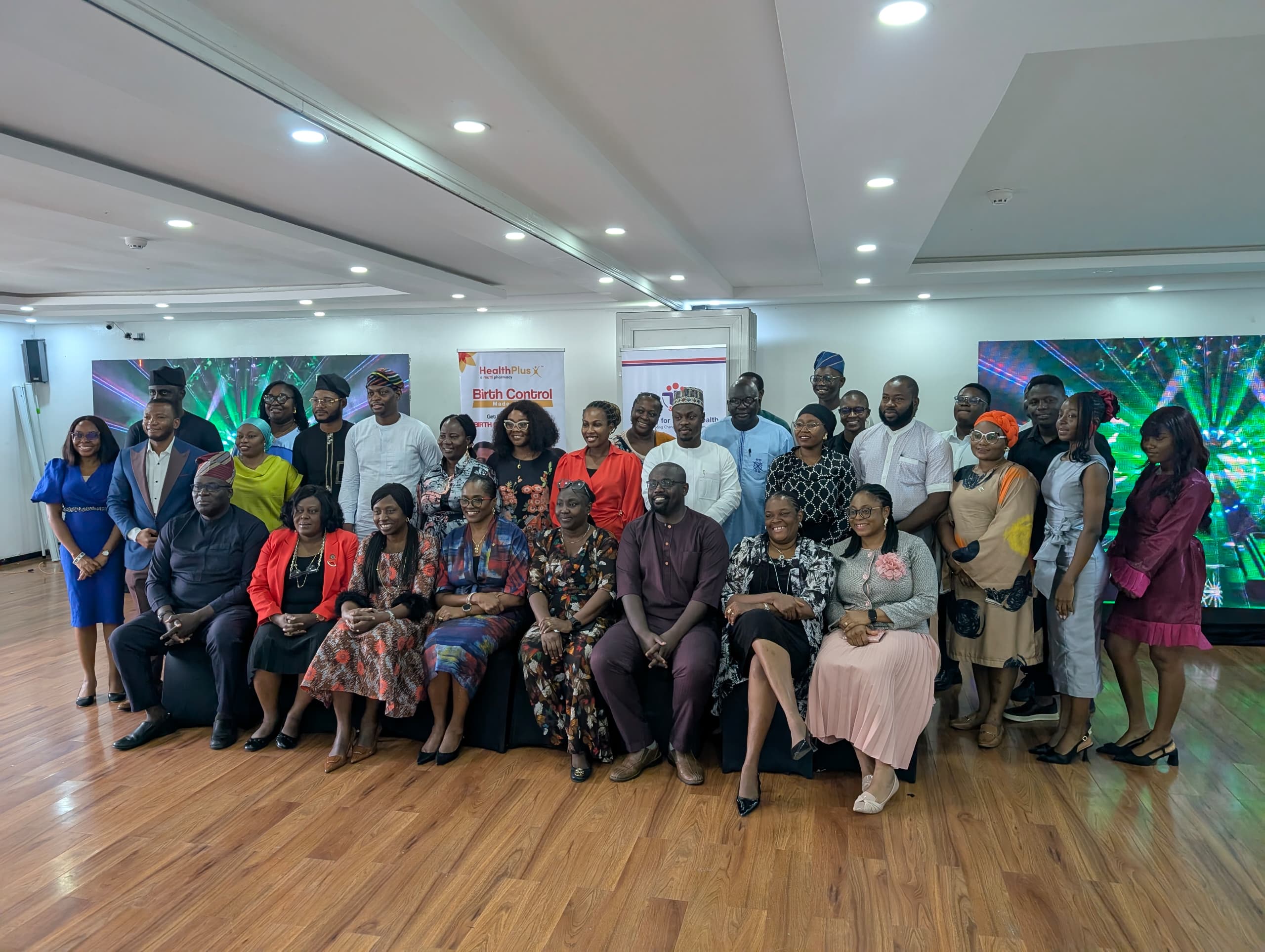
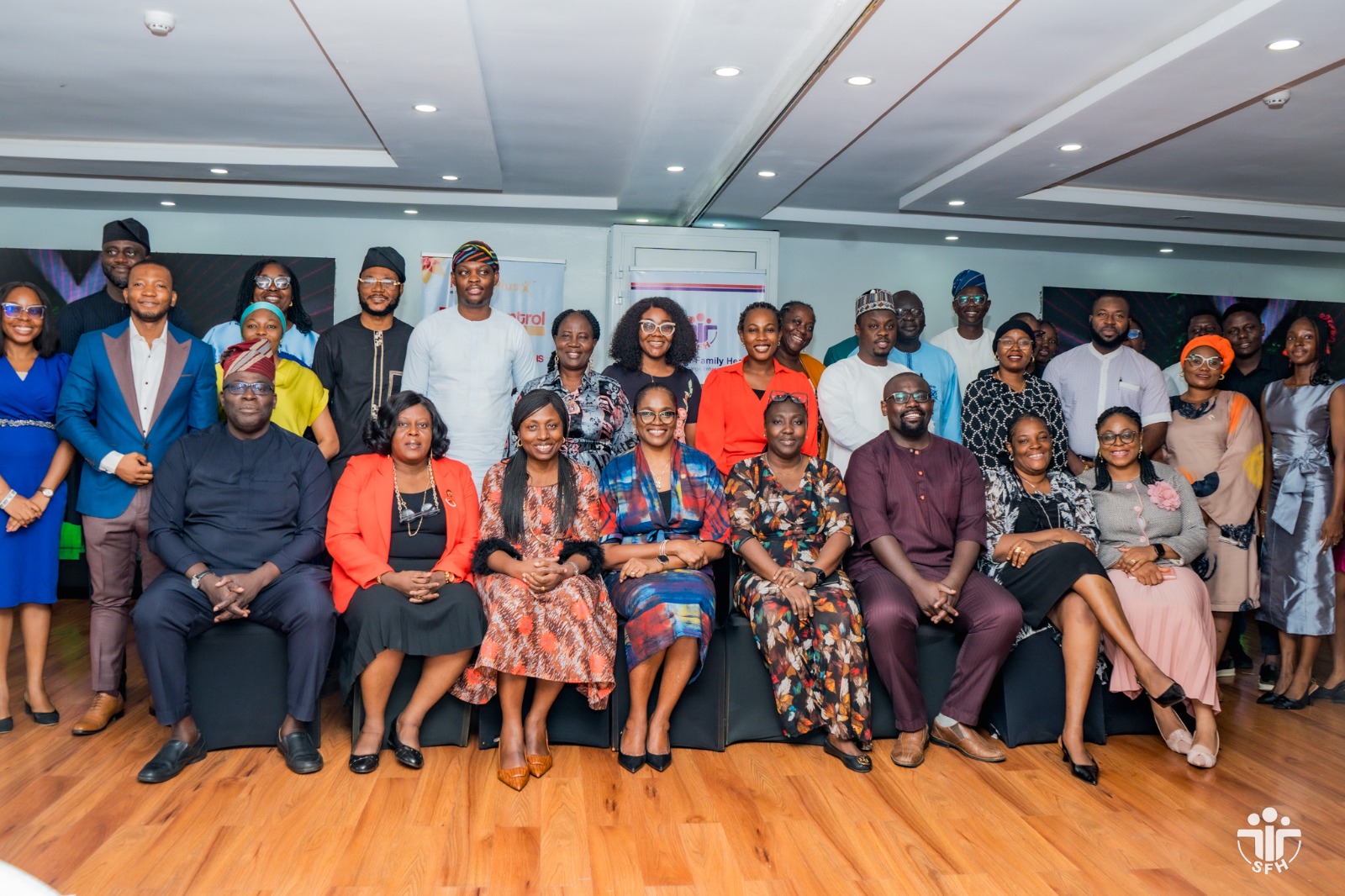
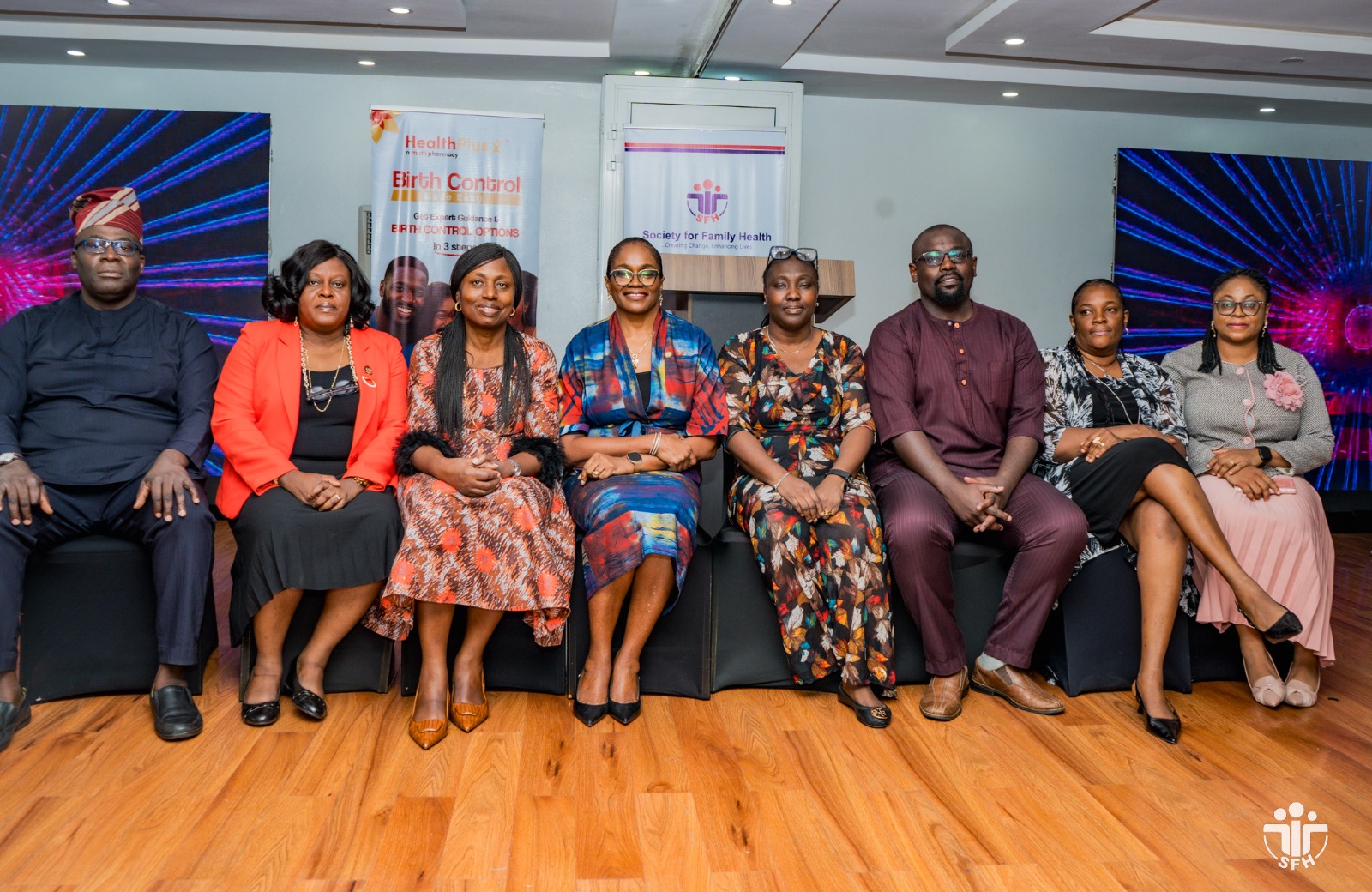
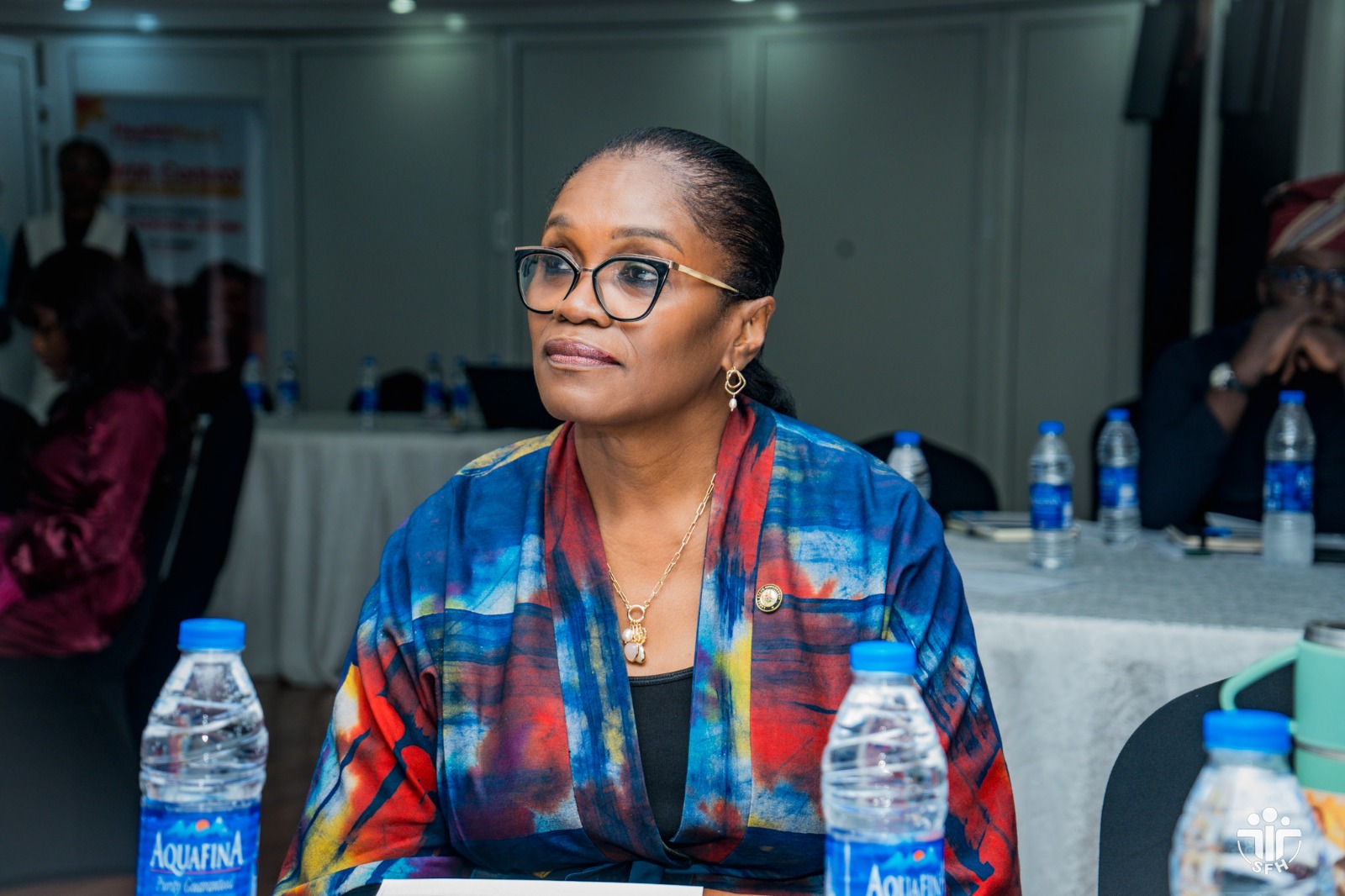
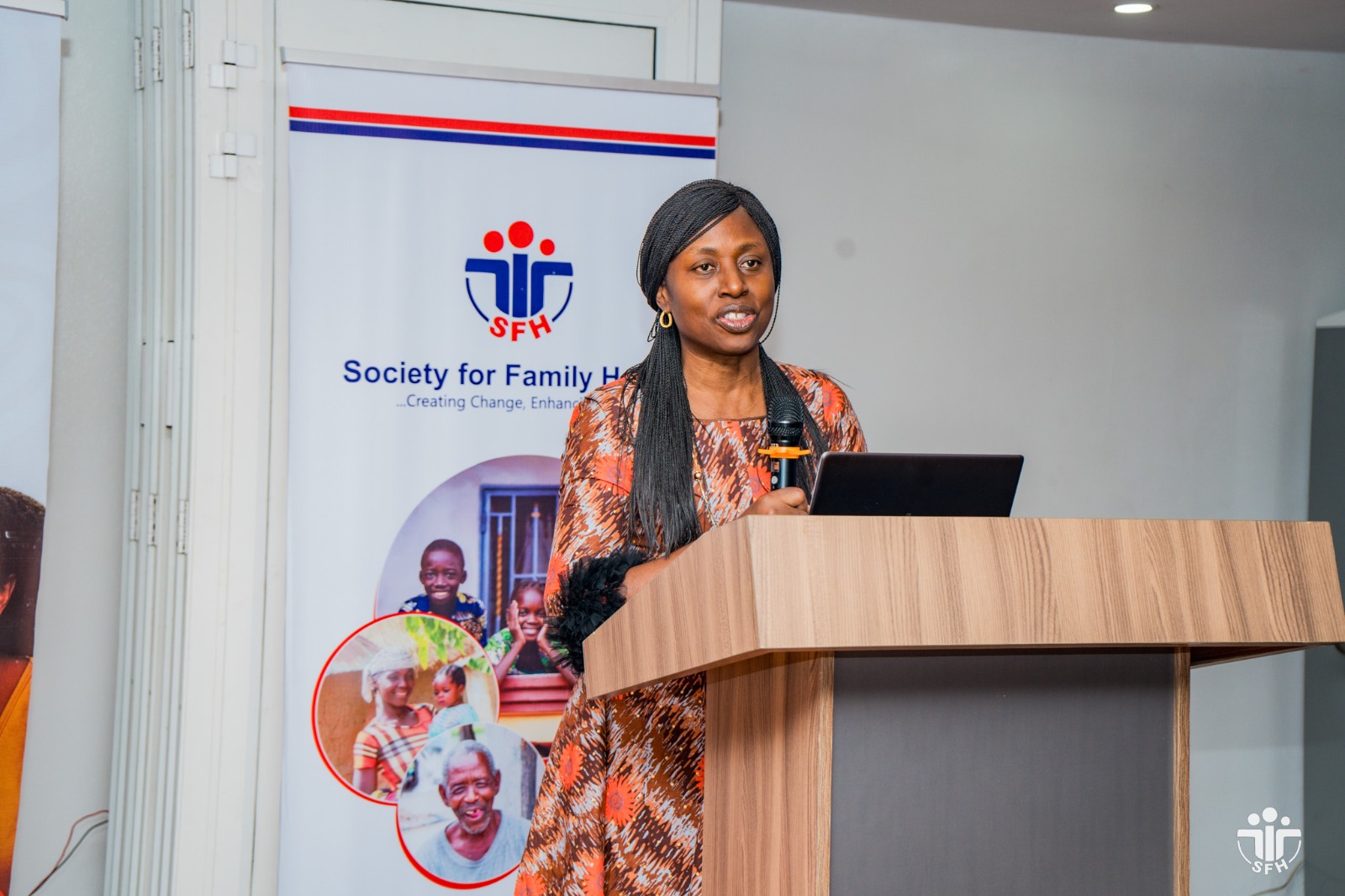
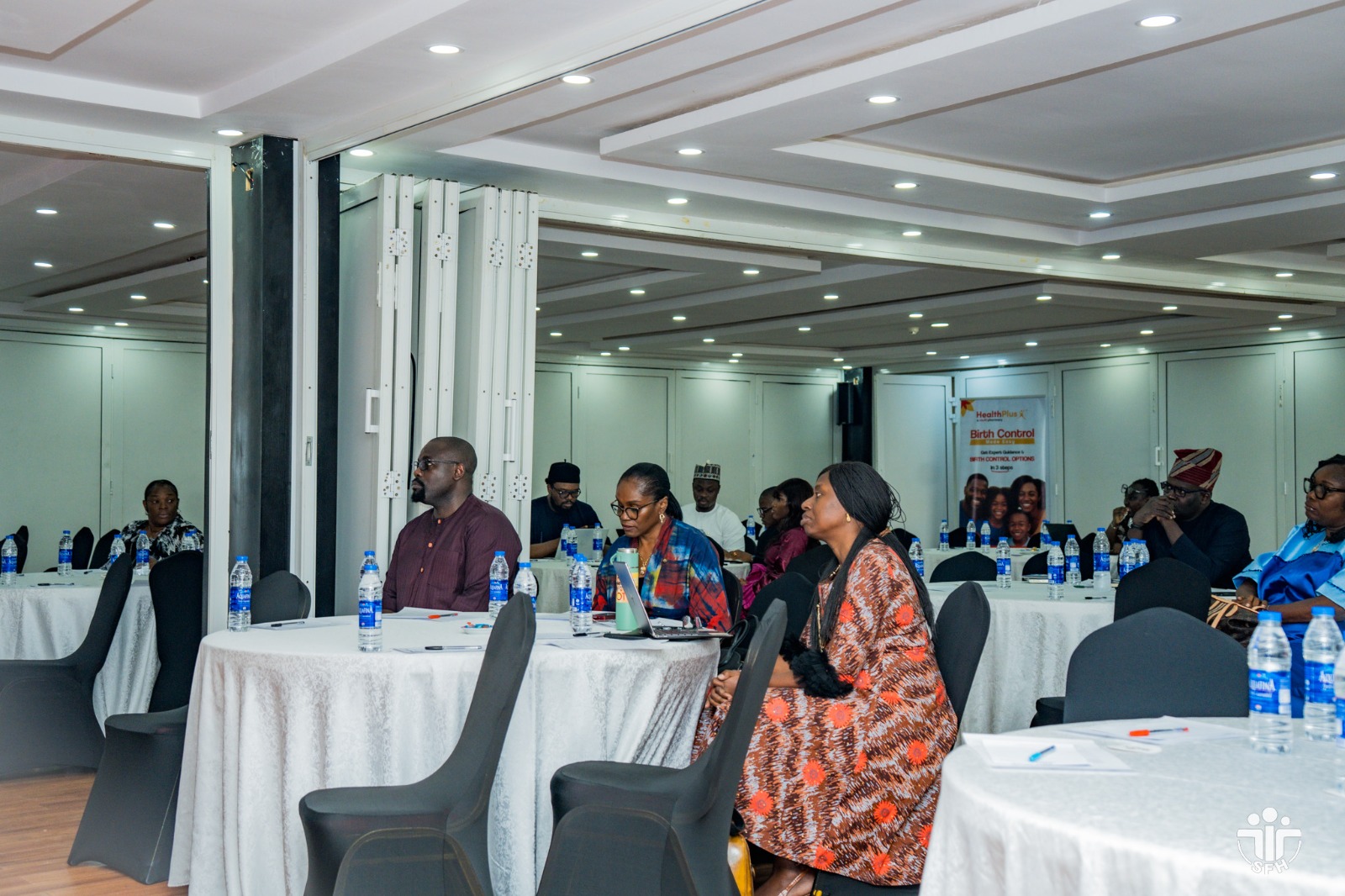
The Society for Family Health (SFH), in collaboration with the Federal Ministry of Health & Social Welfare and the Lagos State Ministry of Health, on Tuesday convened policymakers, regulators, pharmacists, and digital innovators to unveil the final outcomes of the three-year ePharma4FP Project. The dissemination meeting, held at BON Hotel, Ikeja, showcased groundbreaking evidence demonstrating how digital pharmacy models are transforming access to family planning services in Nigeria.
The event, themed “Exploring the Potential of Digital Pharmacy for Healthcare Delivery in Nigeria: Insights and Recommendations,” highlighted how digital tools, combined with community pharmacy networks have expanded contraceptive access, enhanced confidentiality, and reduced stigma for thousands of women, especially in underserved communities. The project, funded by the Bill & Melinda Gates Foundation, was implemented in Lagos State as a pioneering intervention.
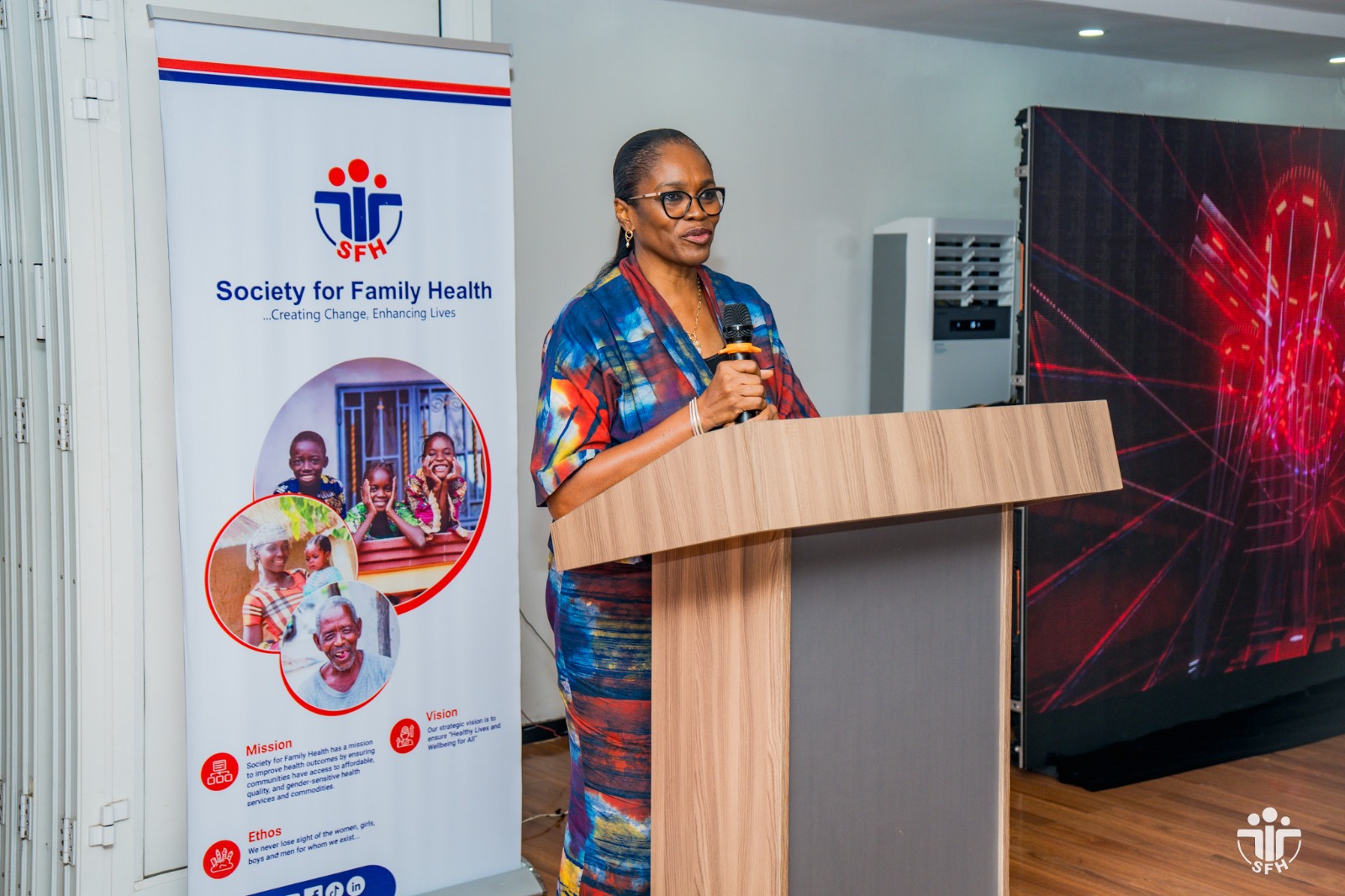
Delivering her keynote, the Special Adviser to the Governor on Health, Dr. Kemi Ogunyemi, described the dissemination as “a defining moment for digital healthcare in Lagos State.” She said the project demonstrated what becomes possible when innovation meets purpose, noting that the hybrid digital platform effectively addressed barriers such as long waiting times, stock-outs, limited privacy, and geographic obstacles.

Dr. Ogunyemi emphasised that the initiative generated one of the strongest bodies of evidence for digital family planning delivery in Nigeria, citing the prevention of more than 3,300 unintended pregnancies and the averting of over 7,400 Disability-Adjusted Life Years. She added that the growing subscriber base reflects Lagos’ commitment to safe, confidential, and equitable family planning access.
She further highlighted system-strengthening milestones, including the newly approved National ePharmacy Policy and the near completion of the Lagos State Digital Family Planning HMIS, describing them as “decisive steps toward a more data-driven, technology-enabled, and client-centred health ecosystem.” Lagos, she said, remains determined to lead in digital health innovation and set new national benchmarks.
Deputy Managing Director of SFH, Dr. Jennifer Anyanti, said the dissemination marked the conclusion of an innovative journey that has proven that digital technology, when paired with community pharmacies, can meaningfully expand access to quality family planning information and services. She noted that the project serves as a model for future reproductive health interventions across the country.
Dr. Anyanti added that the project demonstrated how technology could enable seamless client autonomy, expand access points, and strengthen linkages within the health system. The evidence generated, she said, now provides the foundation for scale-up across states.
She reaffirmed SFH’s commitment to strengthening health systems and ensuring that digital transformation drives equitable access for women, adolescents, and families. According to her, the project outcomes reinforce the urgent need for Nigeria to integrate digital health solutions in achieving universal health coverage.
Acting Permanent Secretary of the Lagos State Ministry of Health, Dr. Folashade Oludara, represented by Dr. Oluwatosin Onasanya, said the initiative significantly reduced distance and stigma barriers by expanding access through digital pharmacies. She noted that the piloting of USSD and IVR platforms ensured meaningful inclusion for women without smartphones or internet access.
The Permanent Secretary added that the project demonstrated how technology can make healthcare more confidential, convenient, and responsive. She commended partners including SFH, the PCN, PSN Foundation, private operators, and research institutions for their commitment to improving family planning delivery in Nigeria.
Representing the PSN Foundation, Dr. Faith Eromon, stressed the Foundation’s role in developing essential policies and guidelines that now support Nigeria’s ePharmacy regulatory ecosystem. She disclosed that the national ePharmacy Policy—Nigeria’s first—has been approved by the Coordinating Minister of Health and is awaiting formal launch.
Dr. Eromon added that the policy framework will serve as a pillar for scaling digital pharmacy services and harmonising practices nationwide, helping to ensure that digital access is safe, ethical, and compliant with regulatory standards.
Chief of Party of the ePharma4FP project, Dr. Uchenna Okafor, noted that the intervention addressed critical gaps in the national ePharmacy ecosystem by supporting the development of frameworks, updating outdated regulations, and advancing the national prescription and dispensing policy. He praised Lagos State’s leadership for providing an enabling environment for innovation.
Dr. Okafor also acknowledged the support of the Gates Foundation, implementing partners, pharmacists, and technical teams, describing the project as a milestone that will continue to shape policy, service delivery, and digital health integration across Nigeria long after its closure.
Engagement Director at Busara, Dr. Mohammed Alhaji, highlighted the importance of grounding digital health interventions in behavioural and contextual realities. He said empowering pharmacies and PPMVs in underserved communities as hybrid gateways connecting offline counselling with digital access has proven essential for continuity of care.
Dr. Alhaji explained that the project’s behavioural insights will help strengthen future digital strategies and ensure that technology adoption aligns with the lived experiences of Nigerian women and families.
A major highlight of the event was the official presentation of the complete project findings to the Lagos State Government, marking a critical milestone in institutionalising digital family planning pathways.
Stakeholders agreed that the success of the ePharma4FP model reinforces the need for Nigeria to accelerate the digitalisation of healthcare services. Discussions at the meeting concluded with strong recommendations for national scale-up, stronger regulation, and deeper integration of digital pharmacies into existing health systems.
The dissemination ended with a collective call to action: to sustain innovation, strengthen digital infrastructure, and expand access so that every woman, regardless of location or socioeconomic status, can make informed, dignified reproductive health decisions.