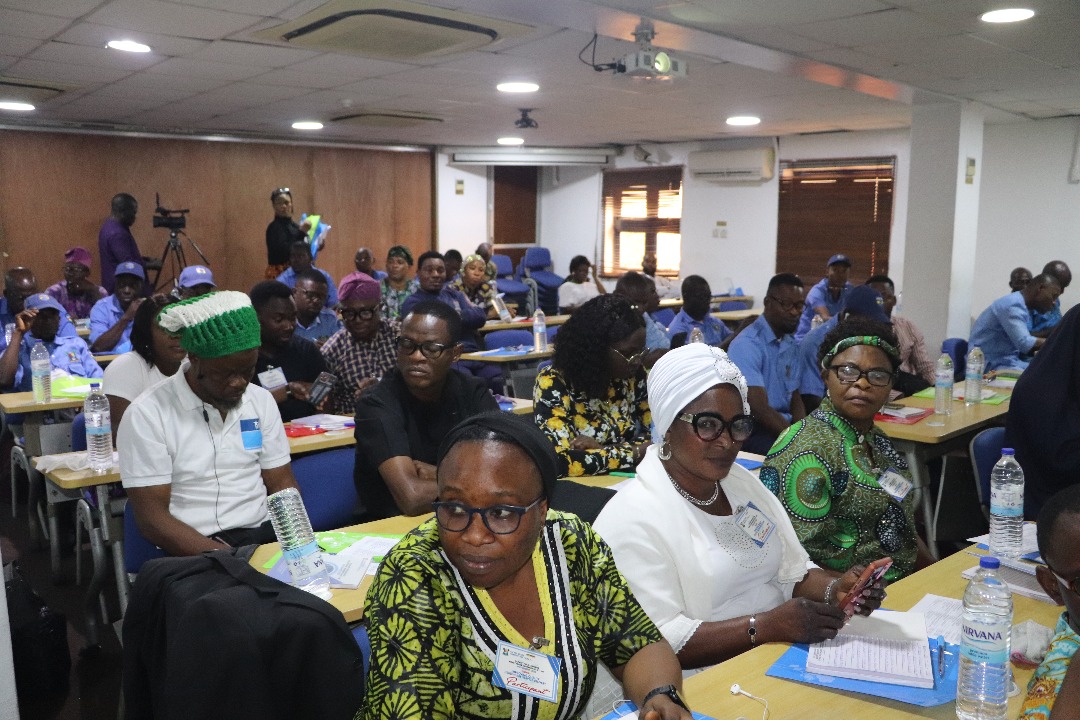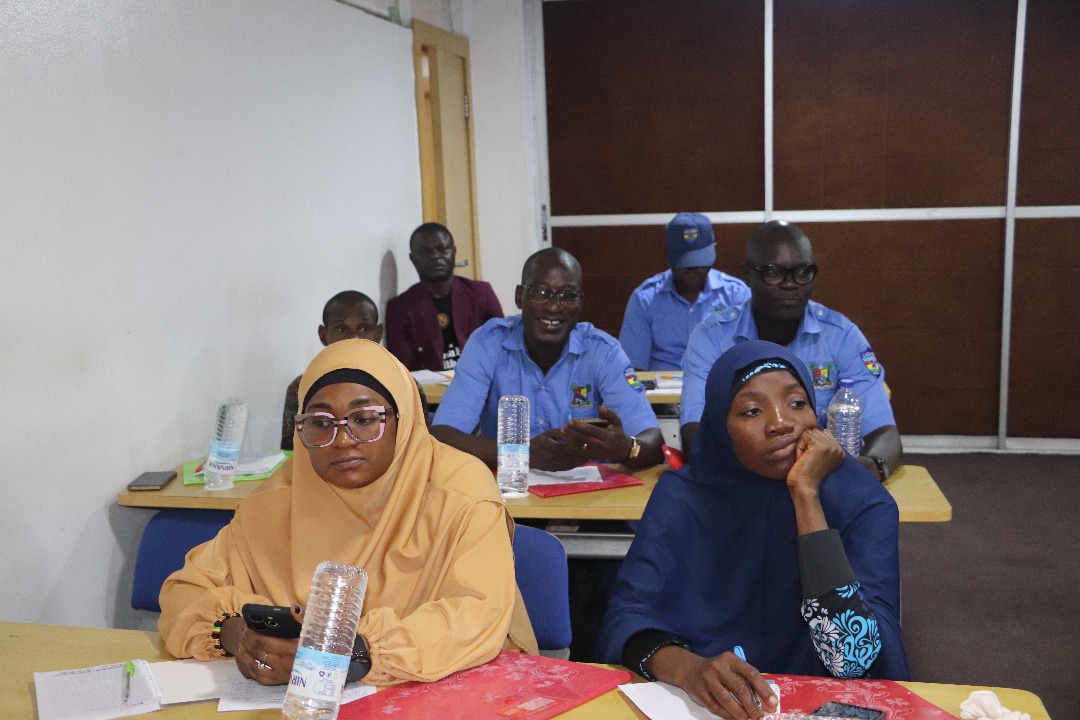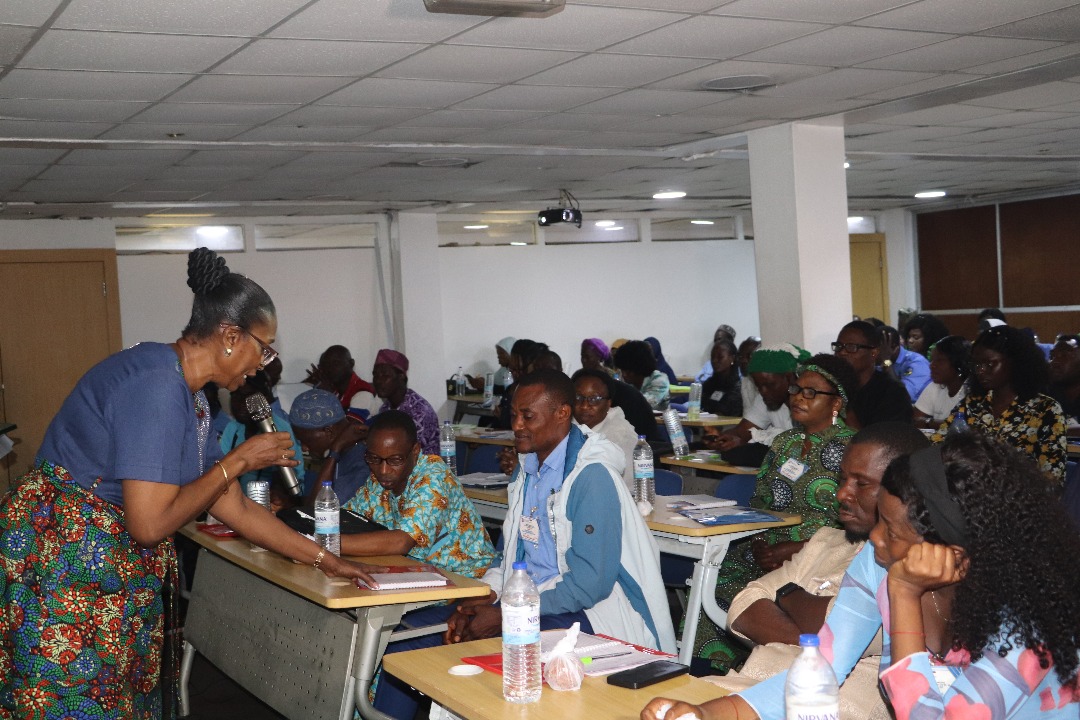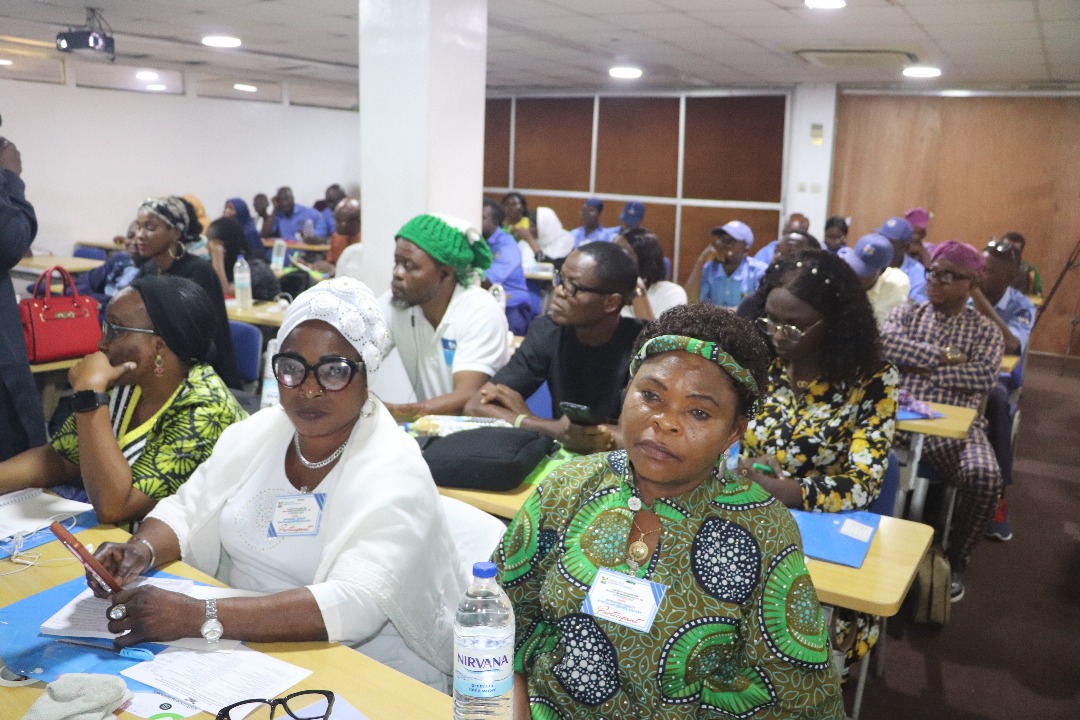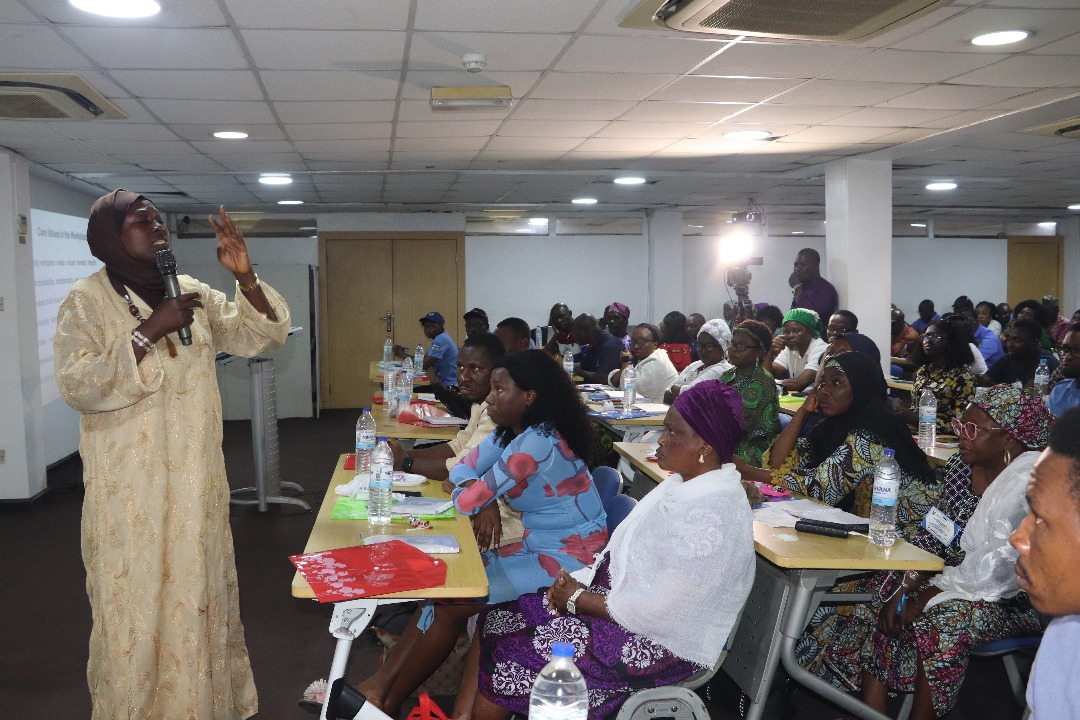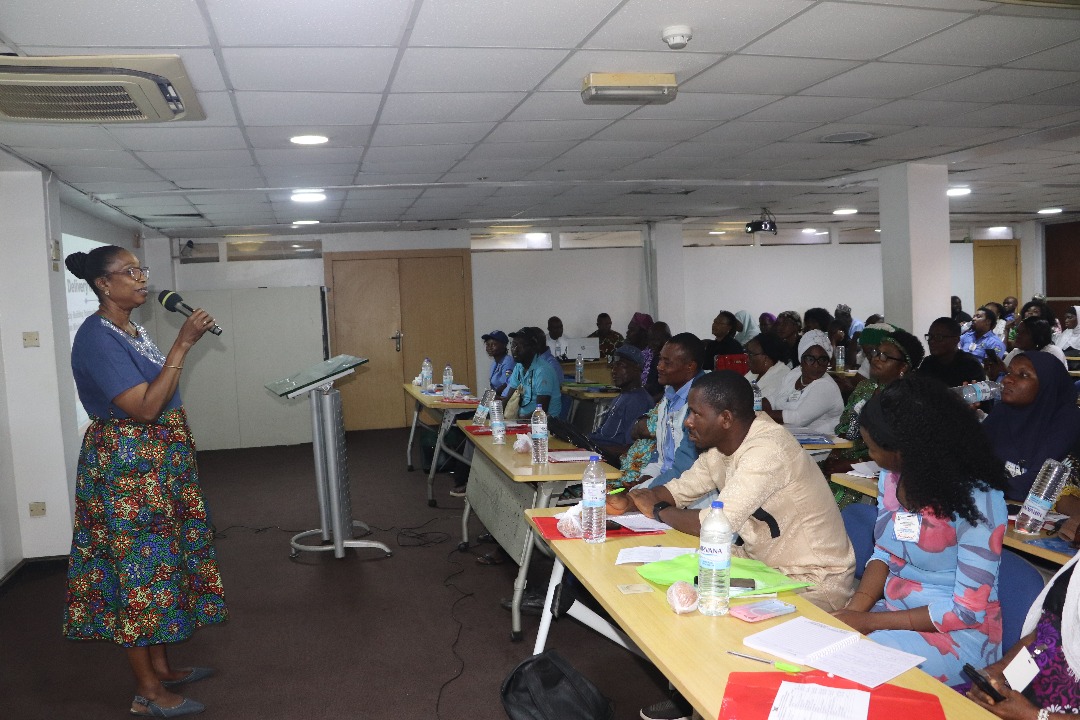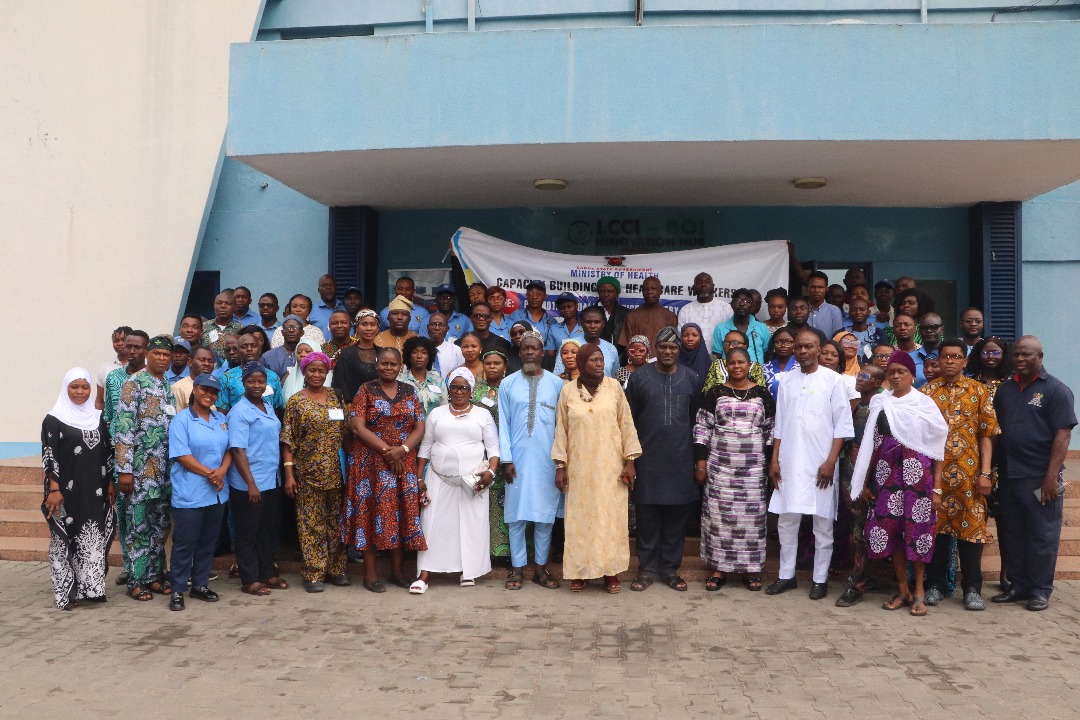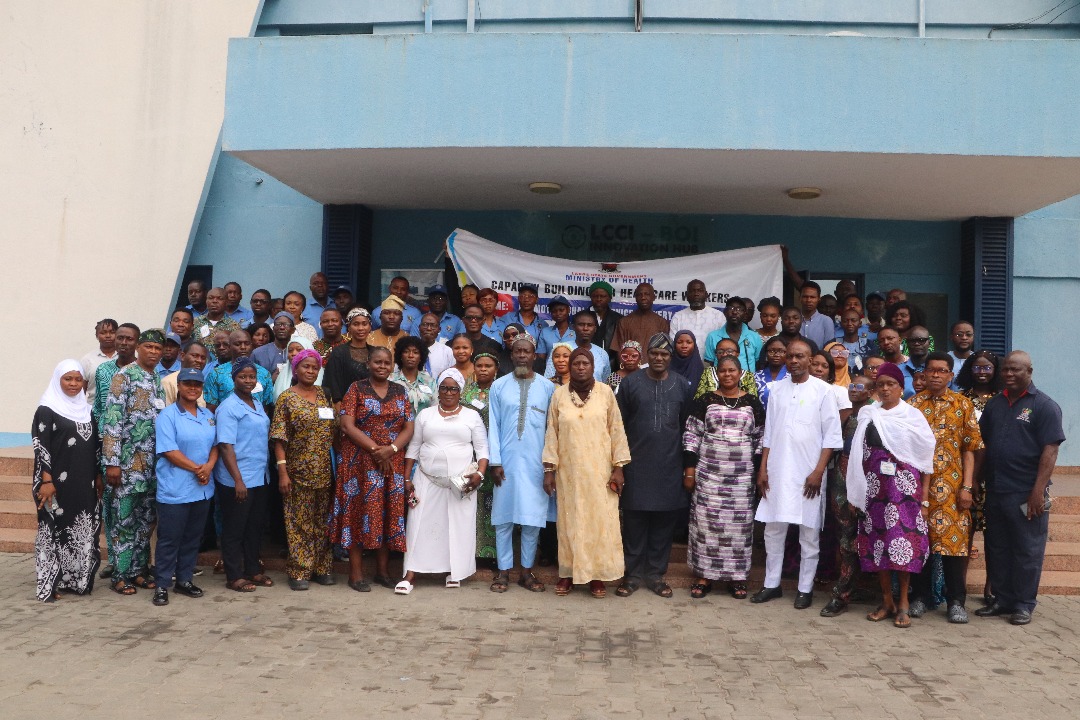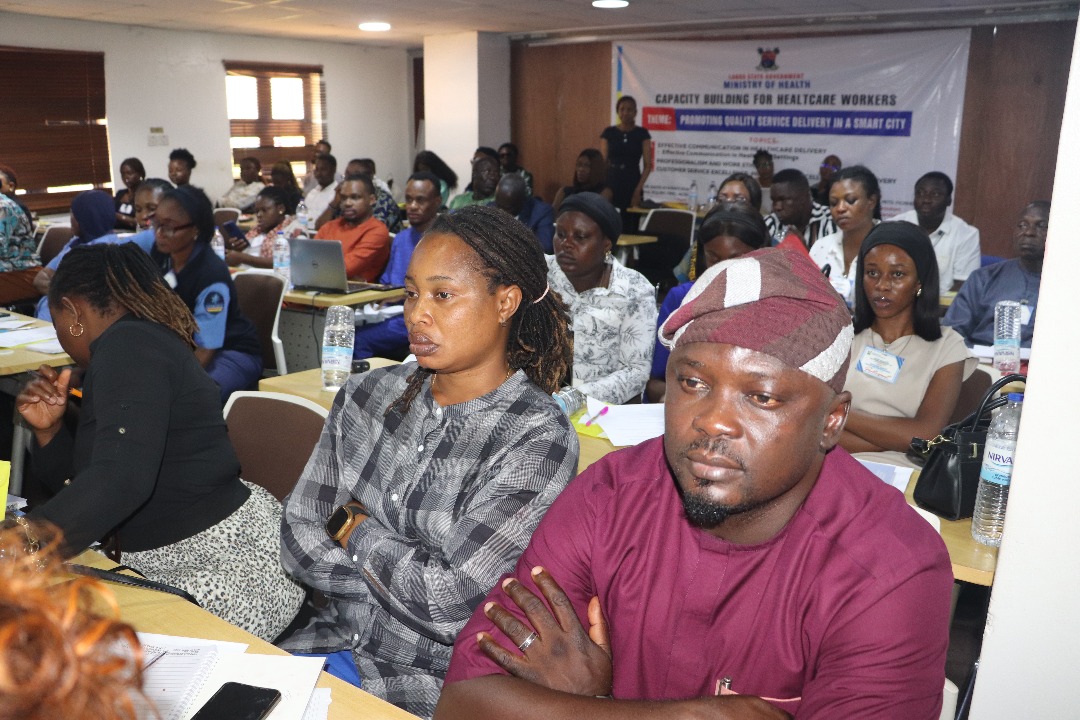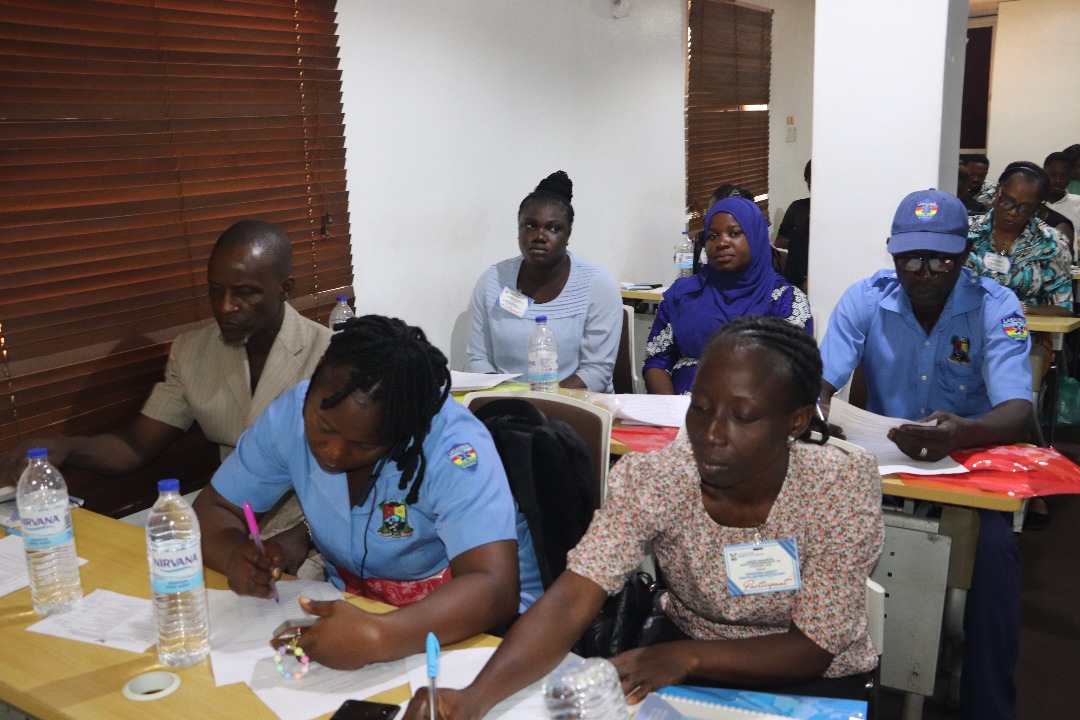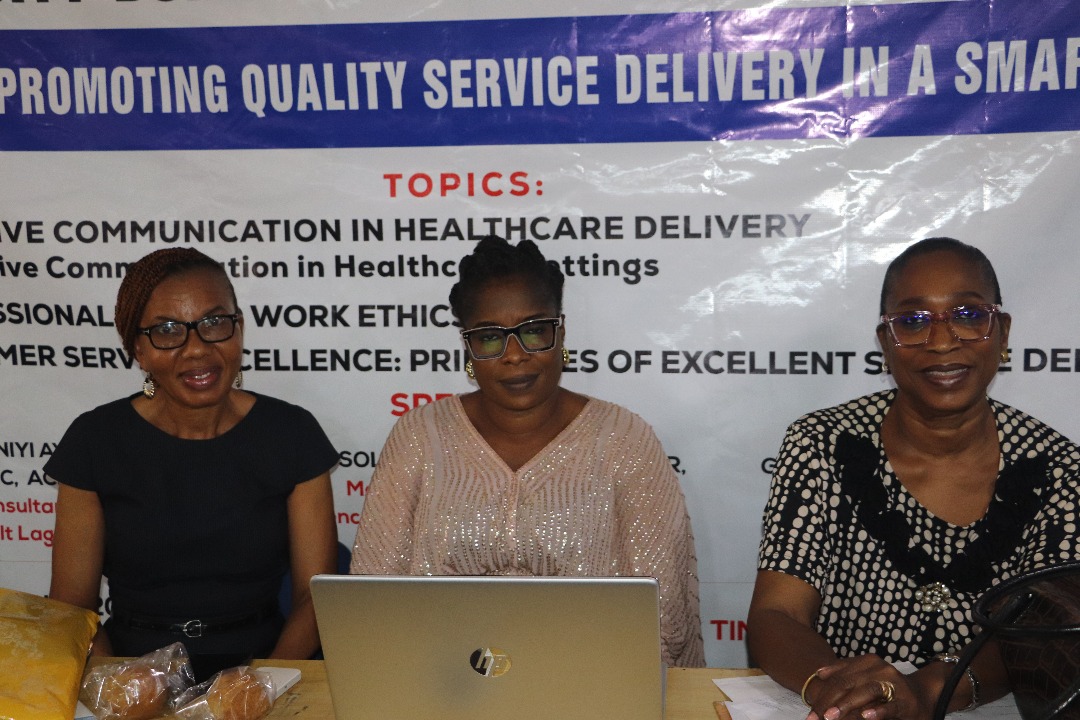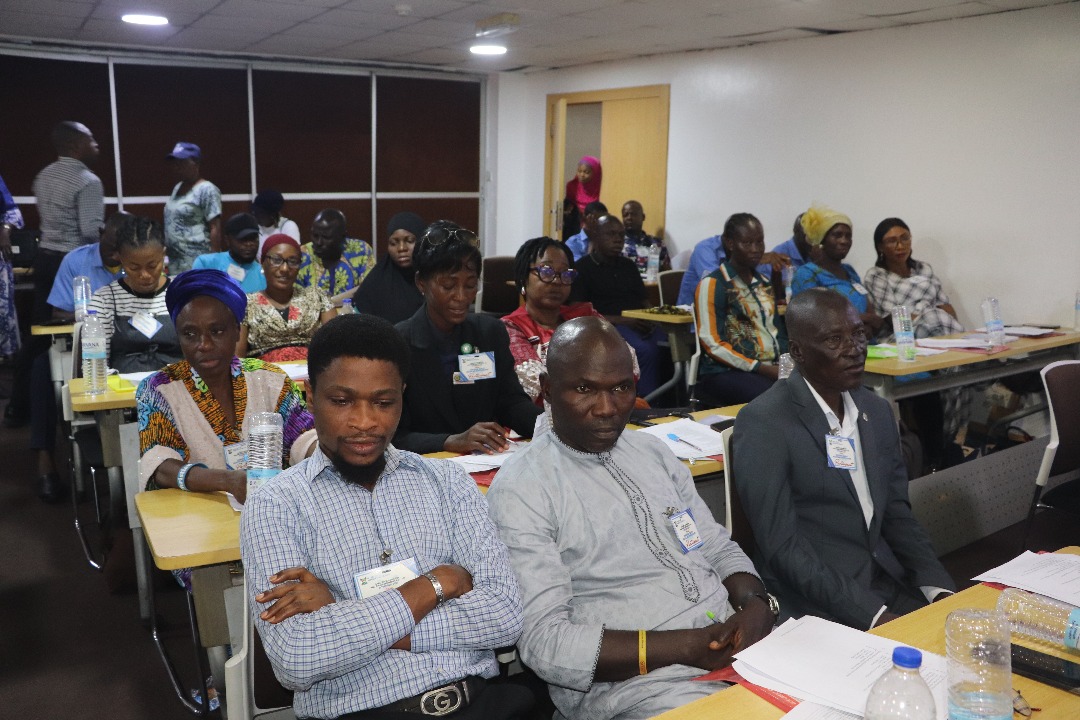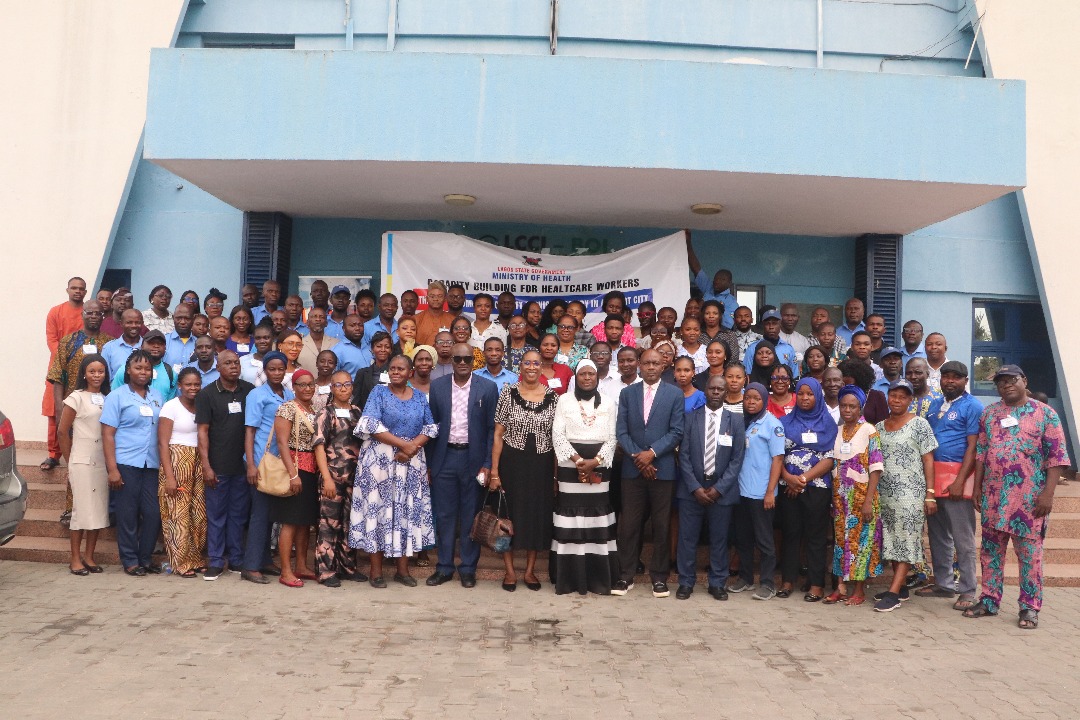
…Facilitator, participants endorse training as key to improving public-facing healthcare services.
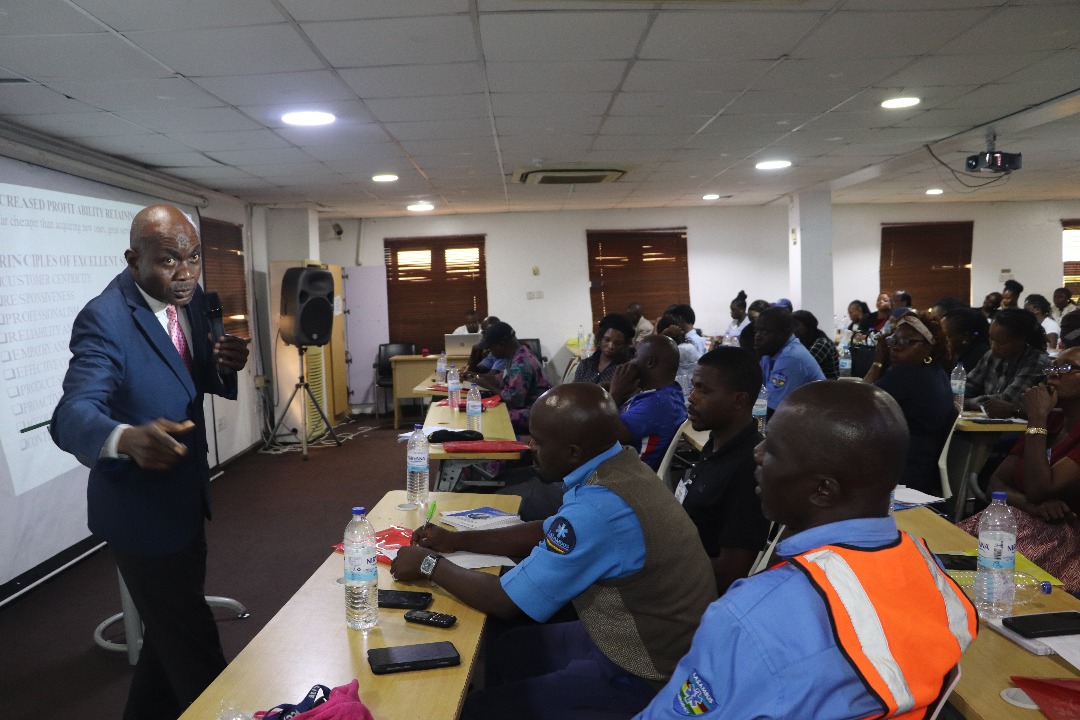
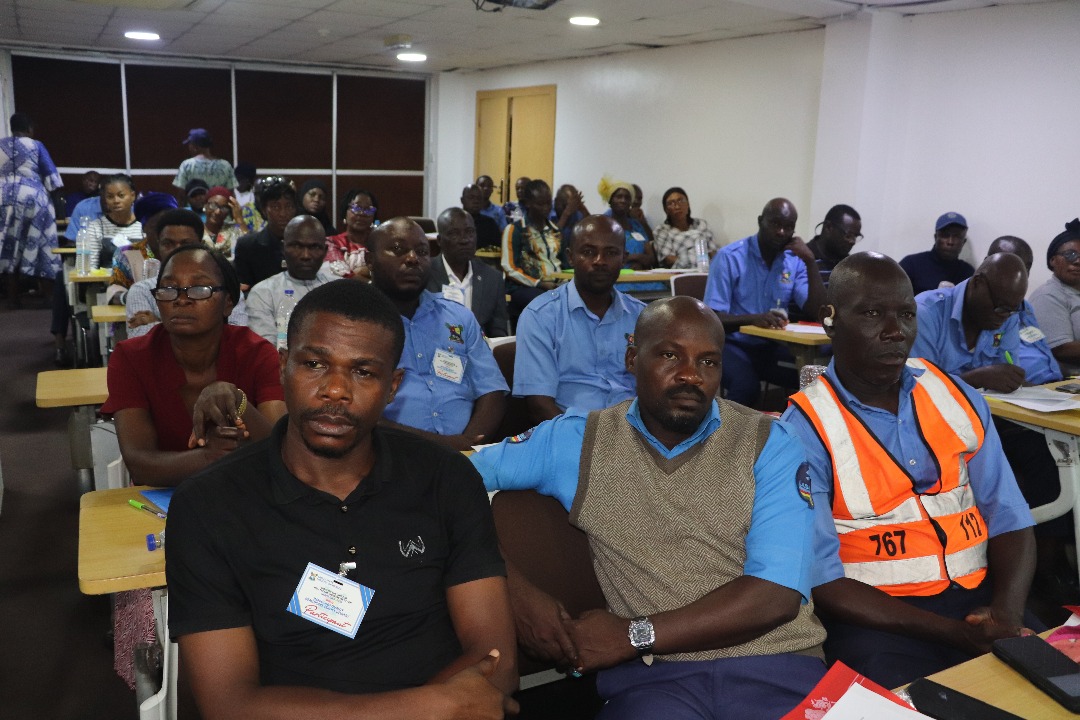
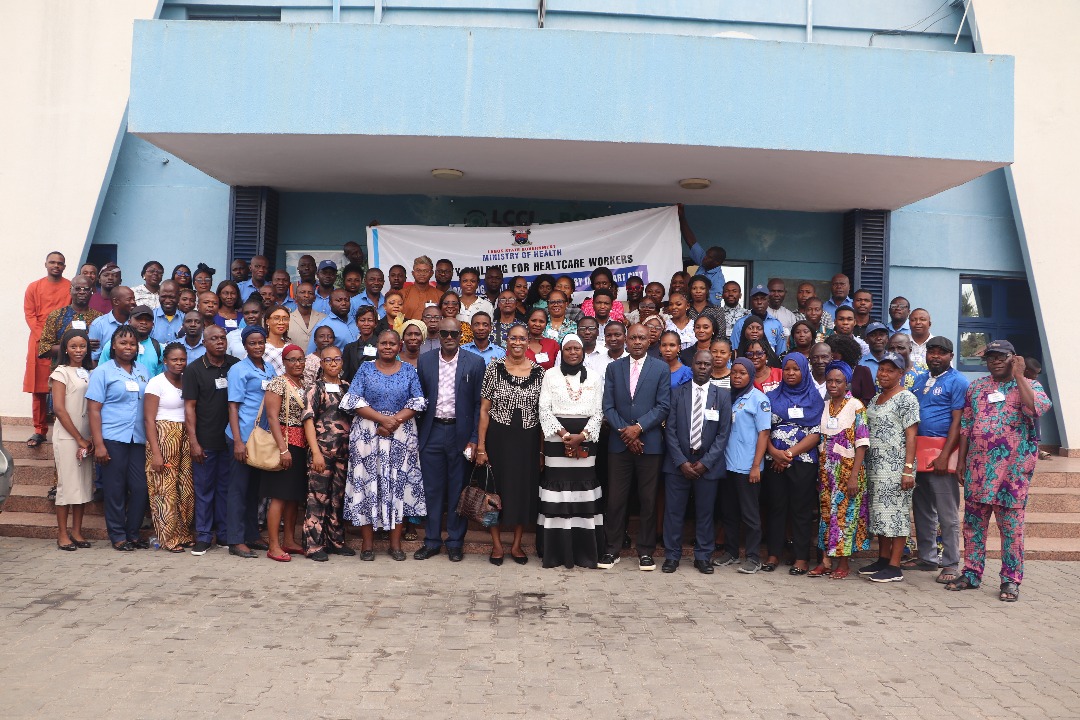
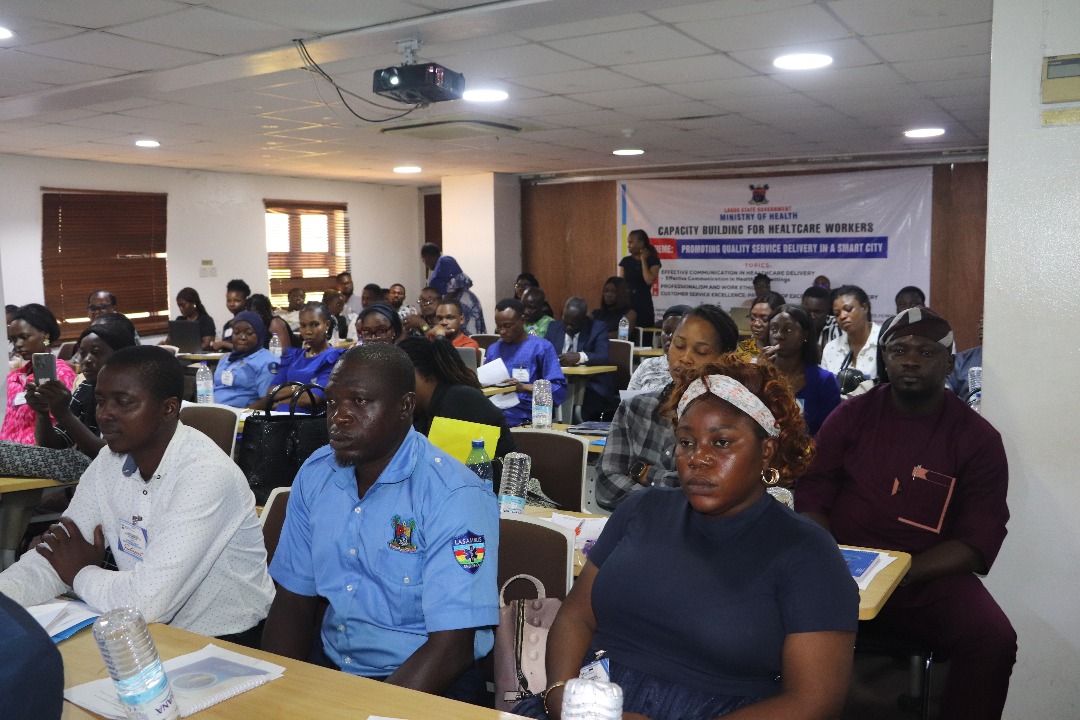
In a renewed push to deepen professionalism and strengthen frontline service delivery across Lagos State health institutions, the Ministry of Health on recently concluded a capacity-building training for healthcare workers on Grade Levels 07 to 09, with a strong emphasis on effective communication, ethics, and workplace conduct.
Declaring the training open, Director of Medical Administration, Training and Programmes, Dr. Mazeedat Erinosho, said the initiative was designed to reshape workplace culture and improve staff interaction with patients and the public. She noted that the mixed pool of participants, including drivers, clerical officers, cleaners, and administrative workers, reflects the Ministry’s commitment to empowering every cadre that directly interfaces with citizens.
Dr. Erinosho stressed that the training would not be treated as a routine workshop, warning that mystery shoppers would conduct real-time assessments at various duty posts to evaluate the application of knowledge gained. She added that Lagosians expect better service delivery from government institutions, and officers must demonstrate professionalism at all times.
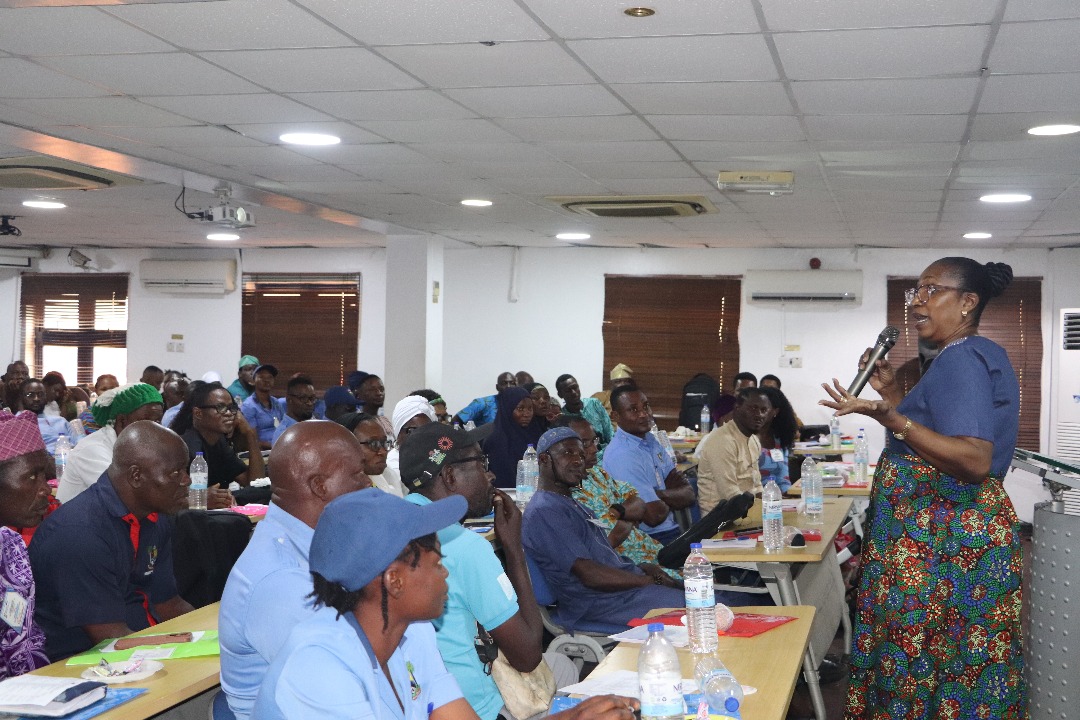
The Director emphasised that communication remains one of the weakest areas across all healthcare cadres, describing it as a recurring challenge she has observed in both clinical and administrative settings. She urged participants to adopt intentional communication practices to improve outcomes.
Speaking further during an interview, Dr. Erinosho said the initiative targets junior-level cadres who often serve as the first point of contact in health facilities and government offices. Their manner of communication, she said, directly shapes public perception of the Lagos State Government and its healthcare system.
She explained that the two-day training would be followed by assessments and on-the-job supervision to ensure the lessons translate into improved service delivery. According to her, the Ministry is committed to building a workforce that is courteous, professional, and capable of giving accurate information to the public.
Dr. Erinosho highlighted the importance of effective communication among non-clinical personnel such as drivers and clerical officers, noting that their behaviour and clarity of communication in emergencies or daily engagements can influence patient outcomes and overall service satisfaction.
Facilitator and Managing Director of FlorenceJohn Health Limited, Mrs. Ajayi Florence, said the training on Professionalism and Work Ethics was crucial for Lagos, a city known for high expectations and large population demands. She stressed that proper workplace behaviour enhances both staff productivity and patient satisfaction.
Drawing from her experience as a retired Director of Nursing Services at the National Hospital Abuja, she described the course as essential for promoting accountability, empathy, respect, and quality service among government workers. She said such capacity-building efforts should be extended across all cadres for improved health outcomes.
Mrs. Ajayi urged participants to implement at least three key lessons from the training in their professional and personal lives, noting that consistency in good behaviour and communication is vital for career growth and quality service delivery.
A Nursing Officer on Grade Level 09, Callisto Olufeyisayo, described the training as an important refresher that reinforces the value of effective communication in patient care and workplace relationships. She said the topics addressed common ethical lapses that often arise due to work pressure in Lagos.
Olufeyisayo added that the training would enhance her listening skills and improve her interactions with colleagues and patients at the Wellness Centre, where counselling and emotional support are critical. She commended the Ministry for investing in continuous professional development.
Another participant, Yusuf Bisiriyu, said the theme of the programme expanded his understanding of efficiency and patient-centred service. He noted that the newly acquired skills would significantly impact his contribution to health service delivery in his facility.