…FMOH, UNICEF, AFENET push multi-sectoral action on rising heavy metal threats
…Survey to generate baseline data for policy, child health interventions
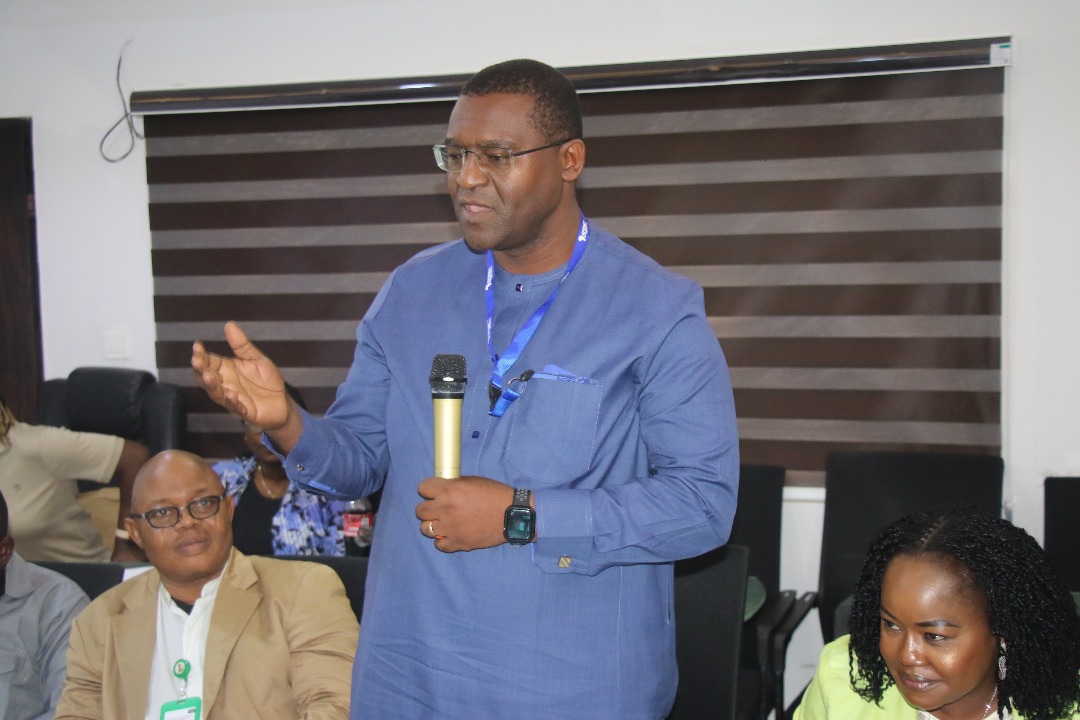
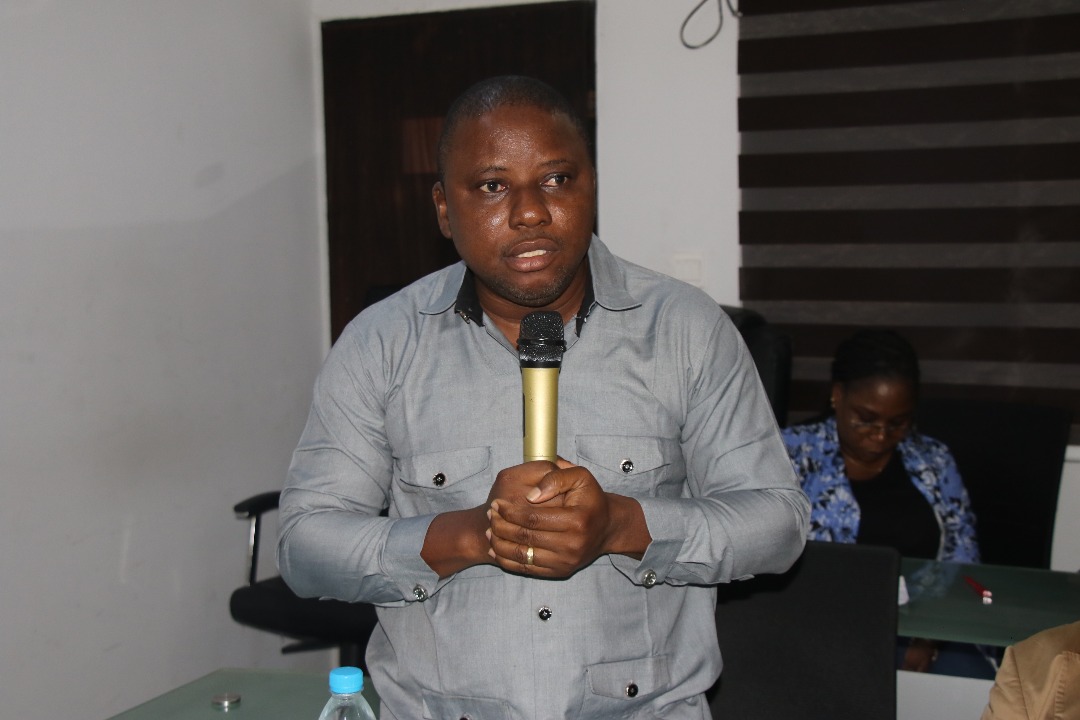
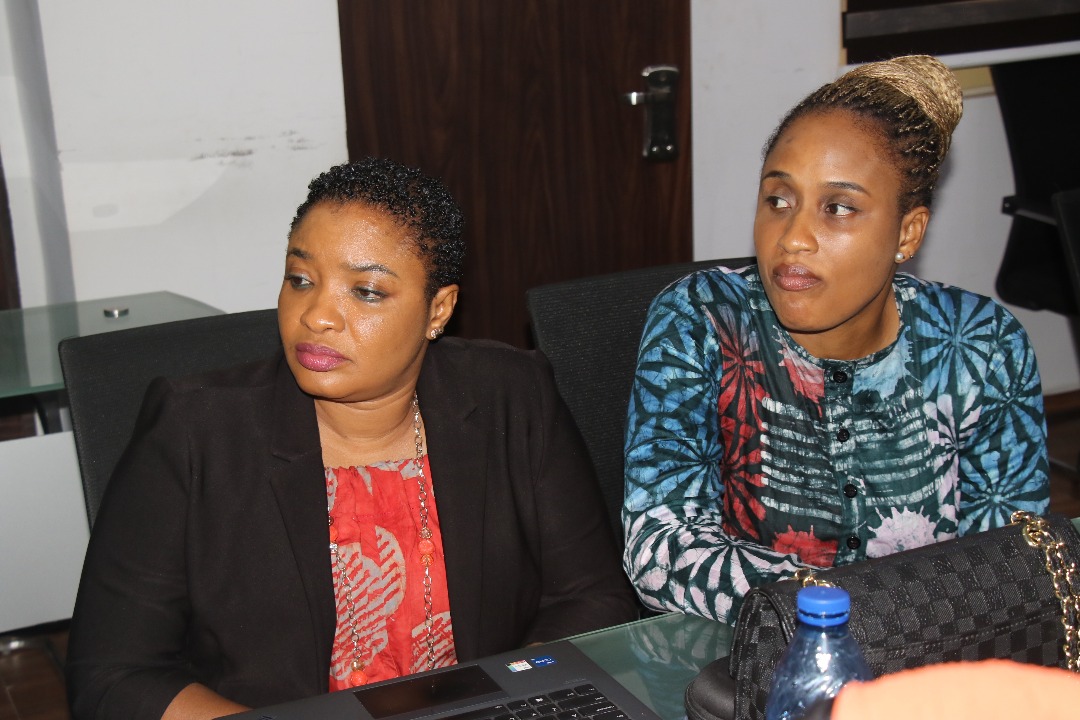
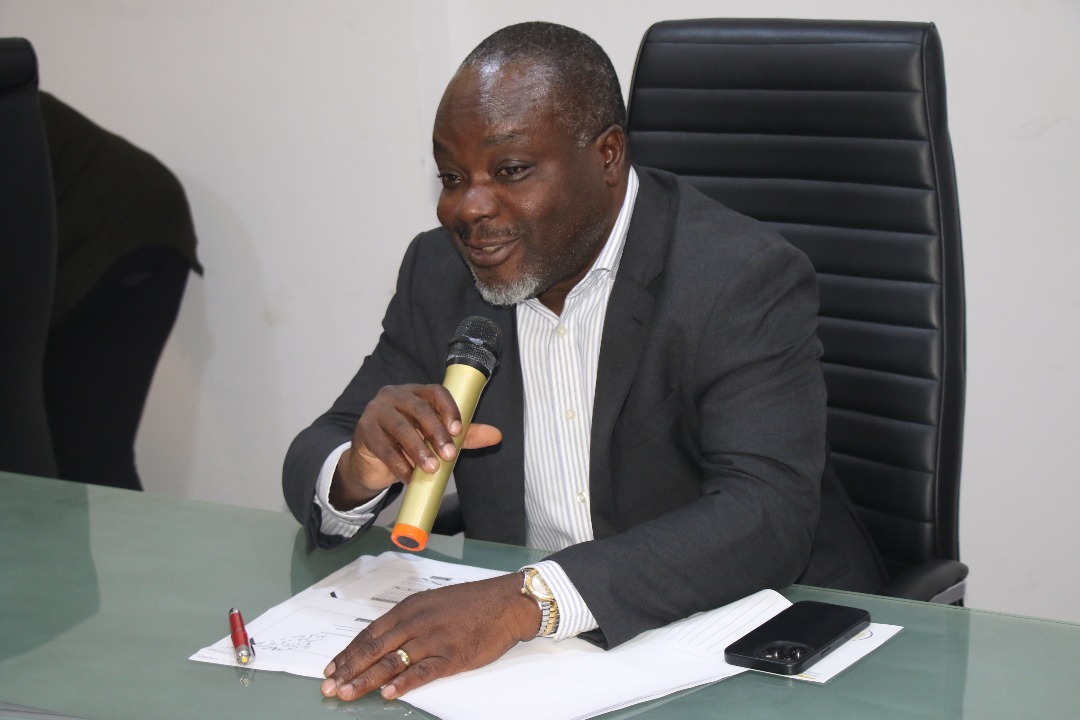
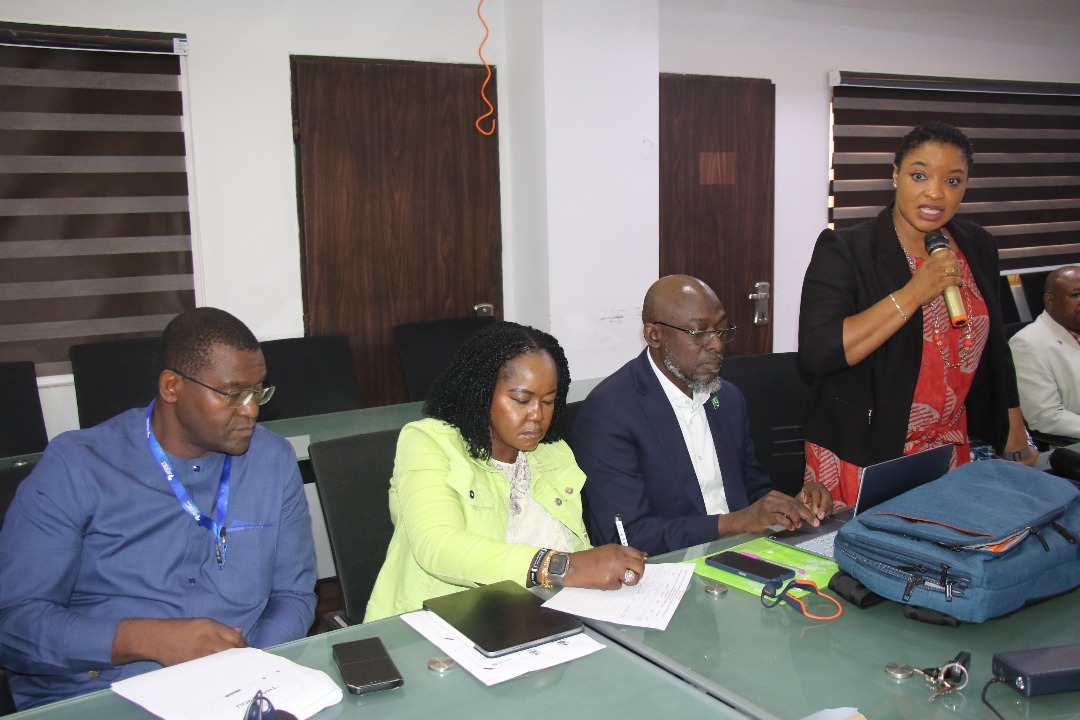
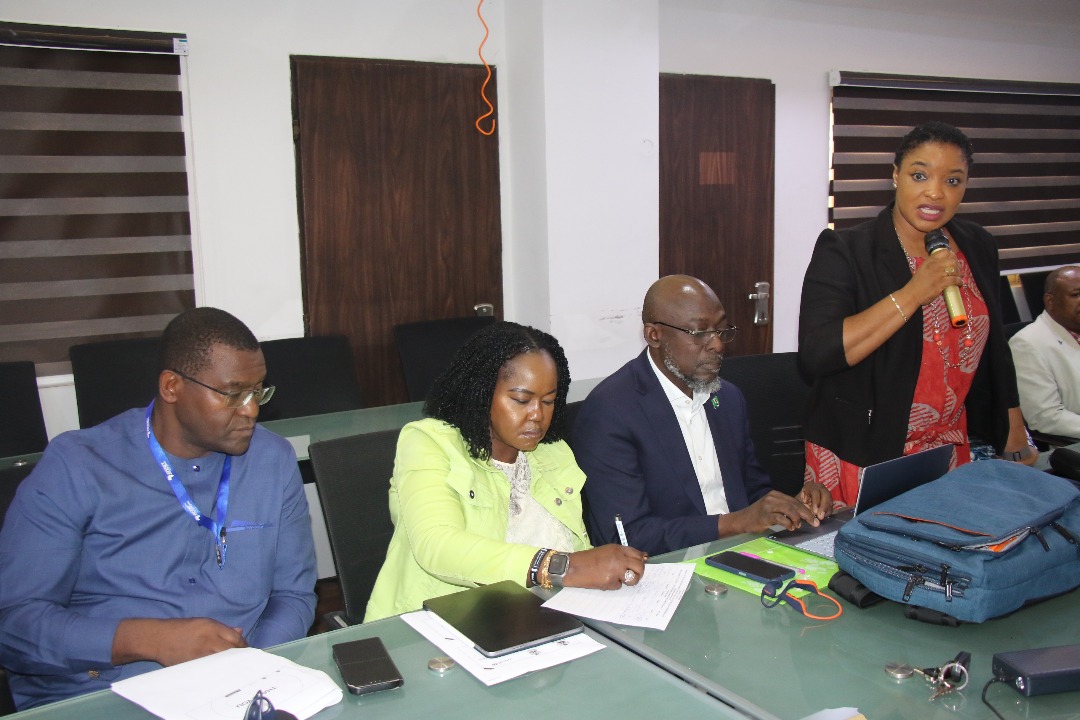
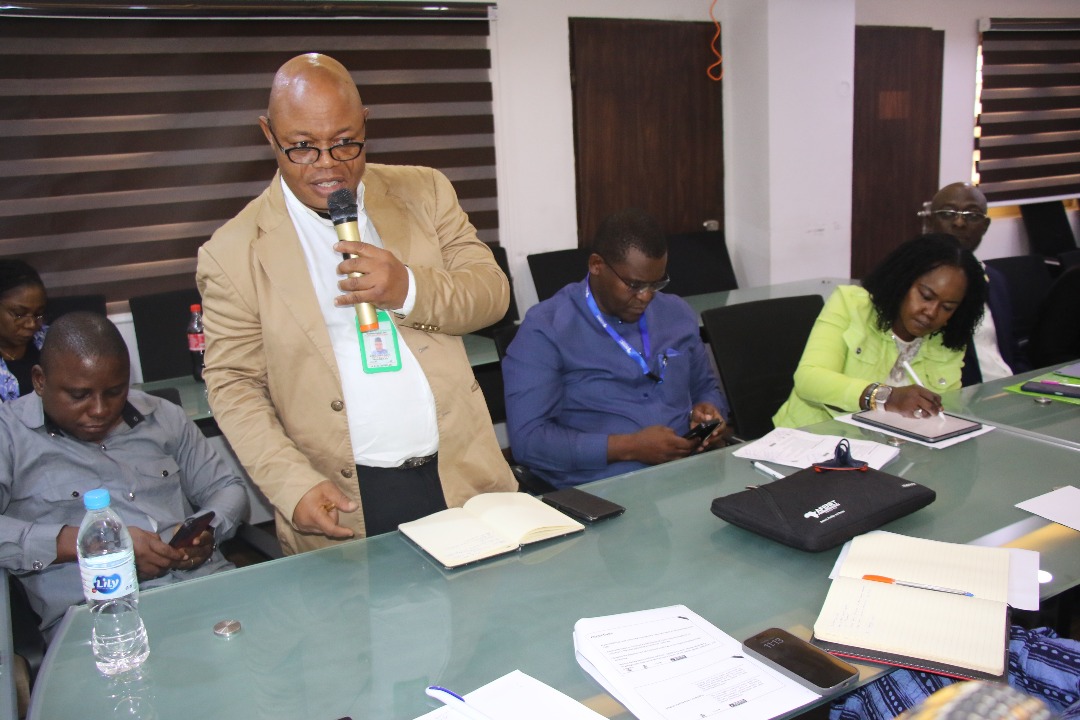
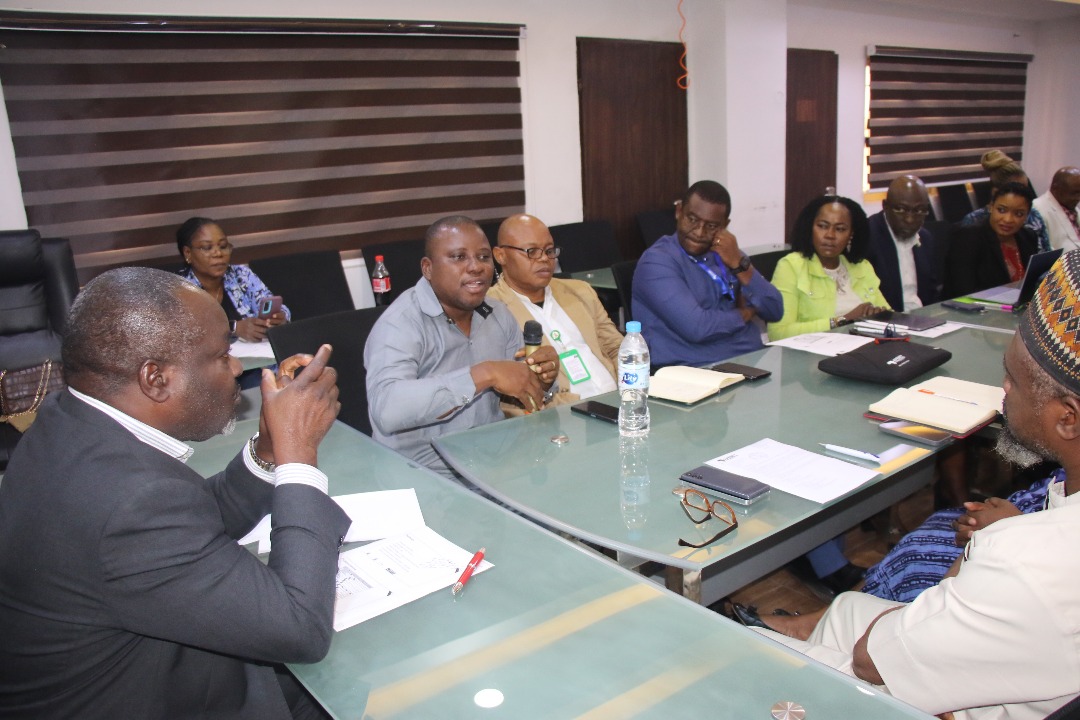
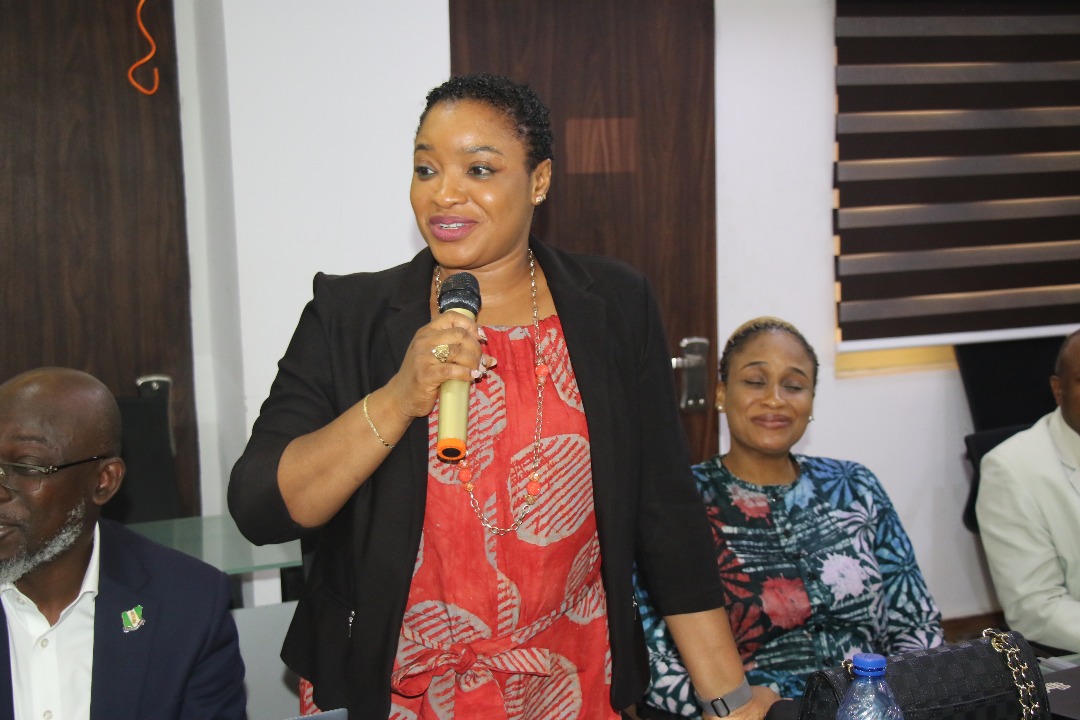
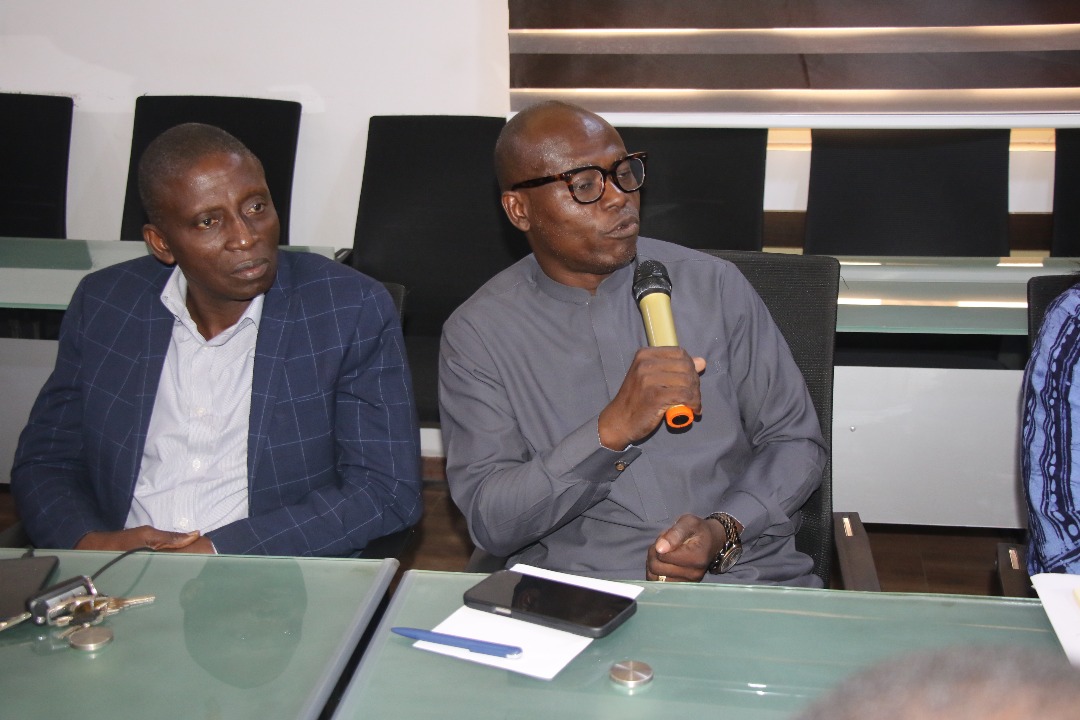
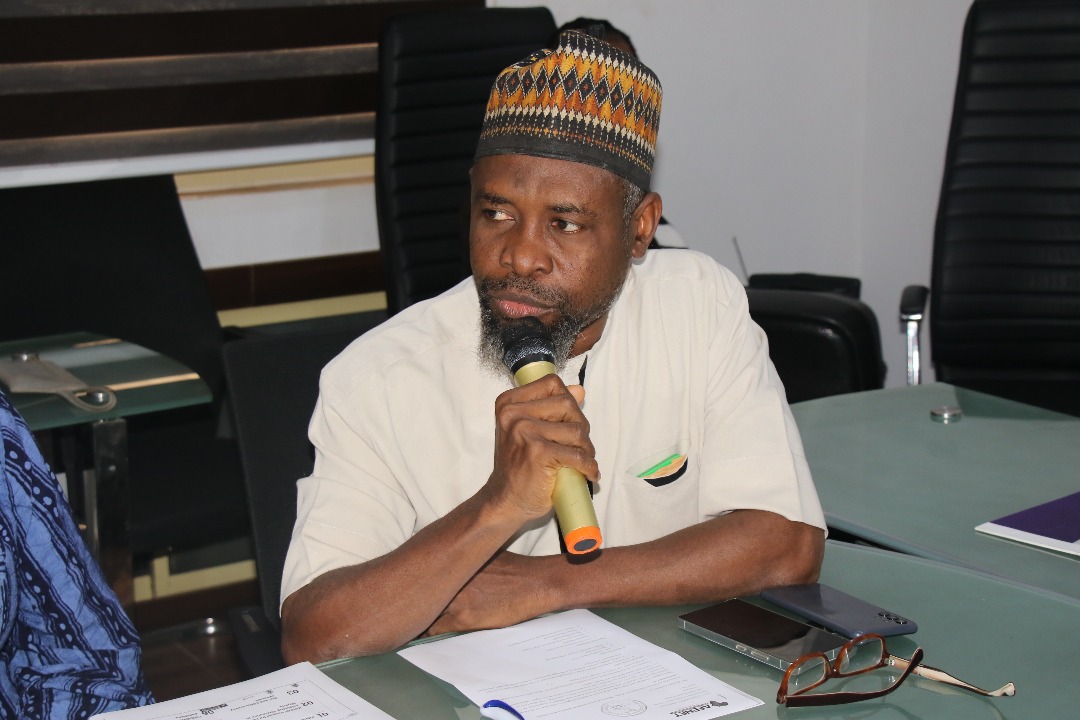
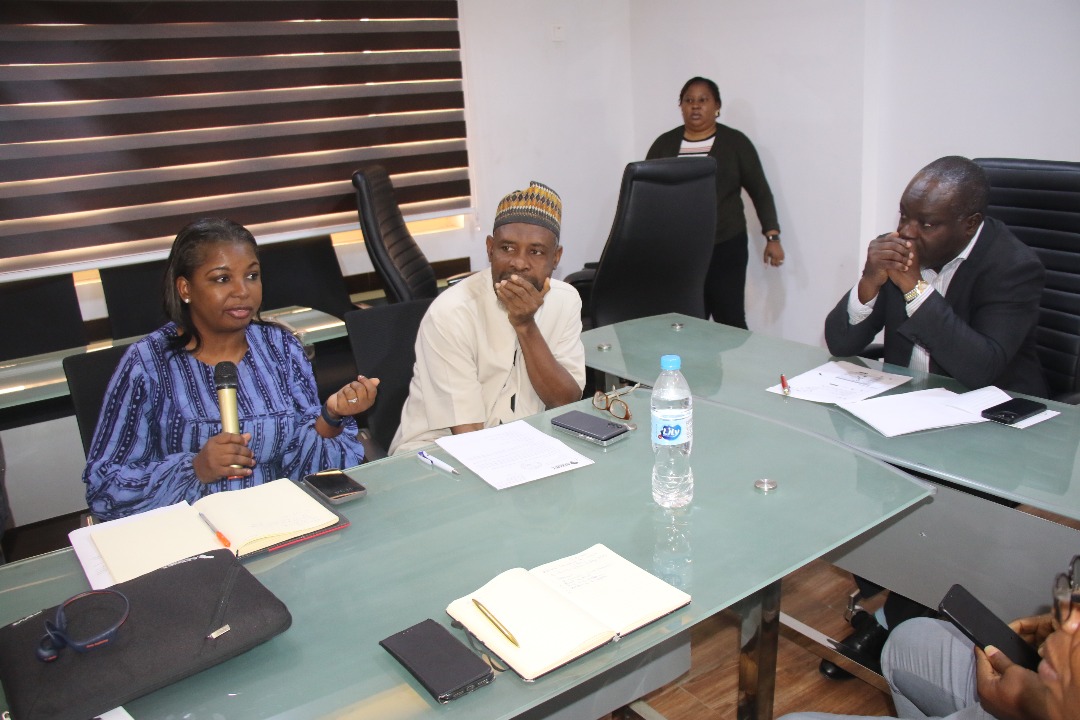
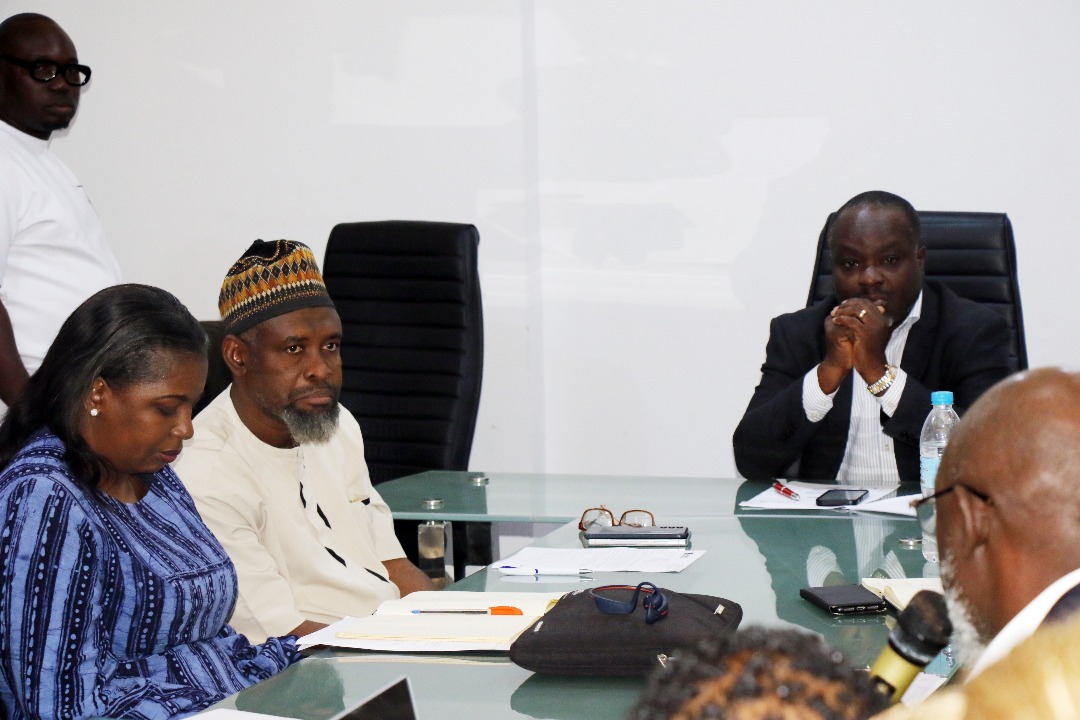
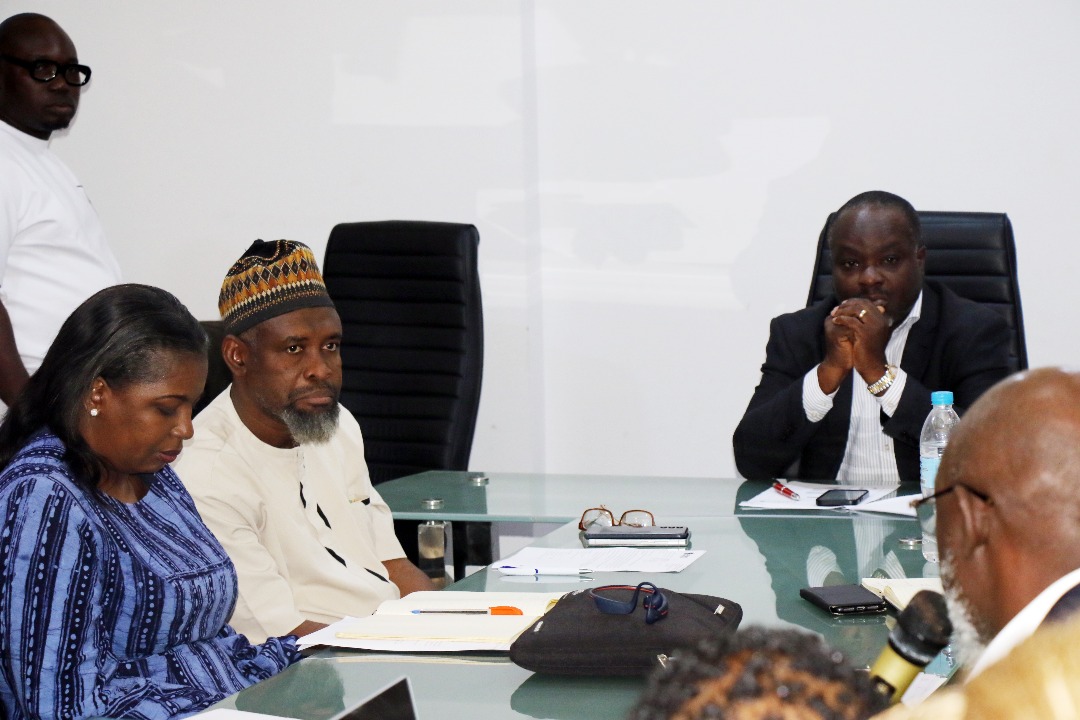
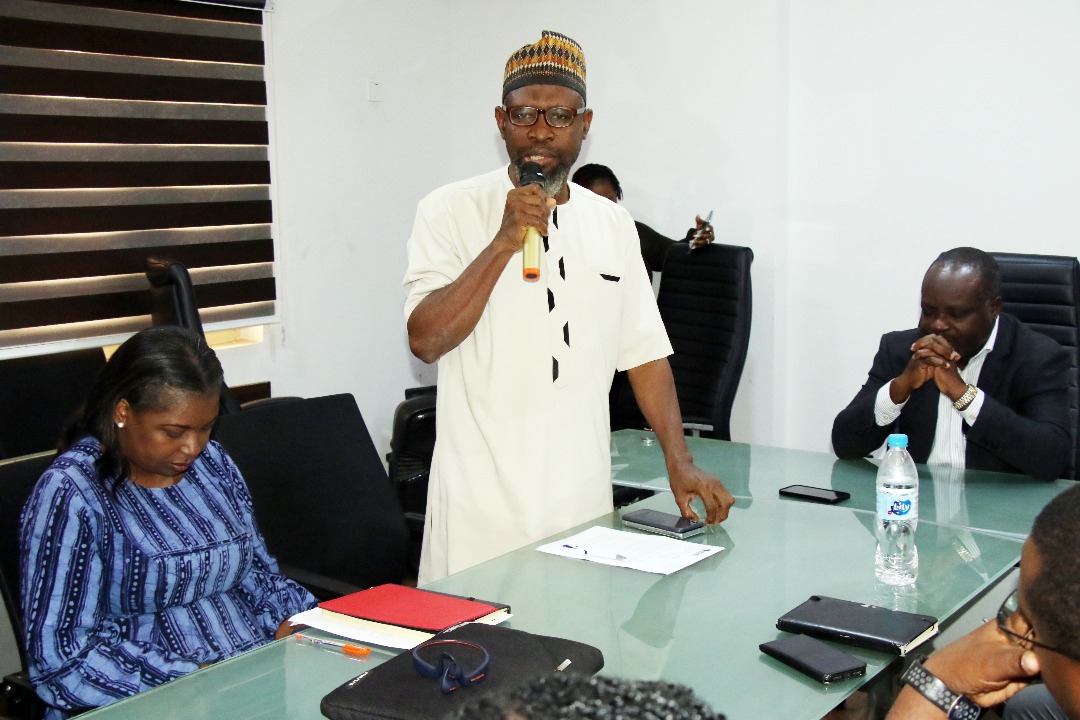
In a critical step toward addressing rising concerns over heavy metal exposure among children, the Lagos State Ministry of Health has formally received a high-powered delegation from the Inter-Agency Working Group (IAWG) on Lead Poisoning Elimination in Nigeria. The group, supported by UNICEF and implemented by the African Field Epidemiology Network (AFENET), is rolling out a state-wide Children’s Blood Lead Level Estimation and Environmental Health Survey.
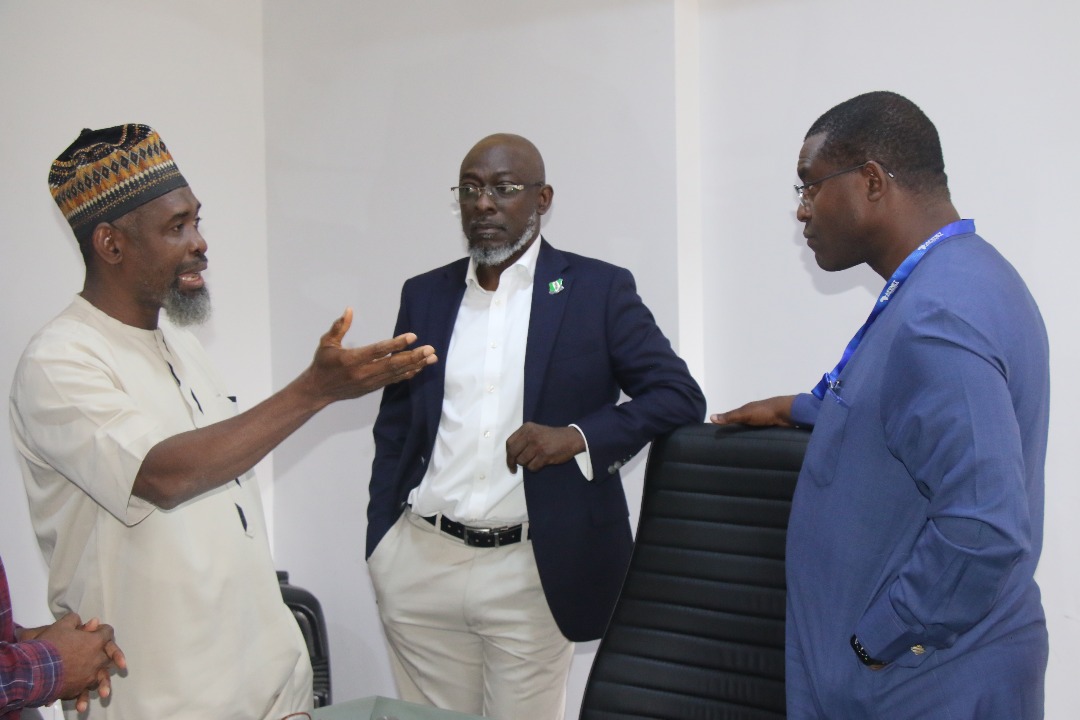
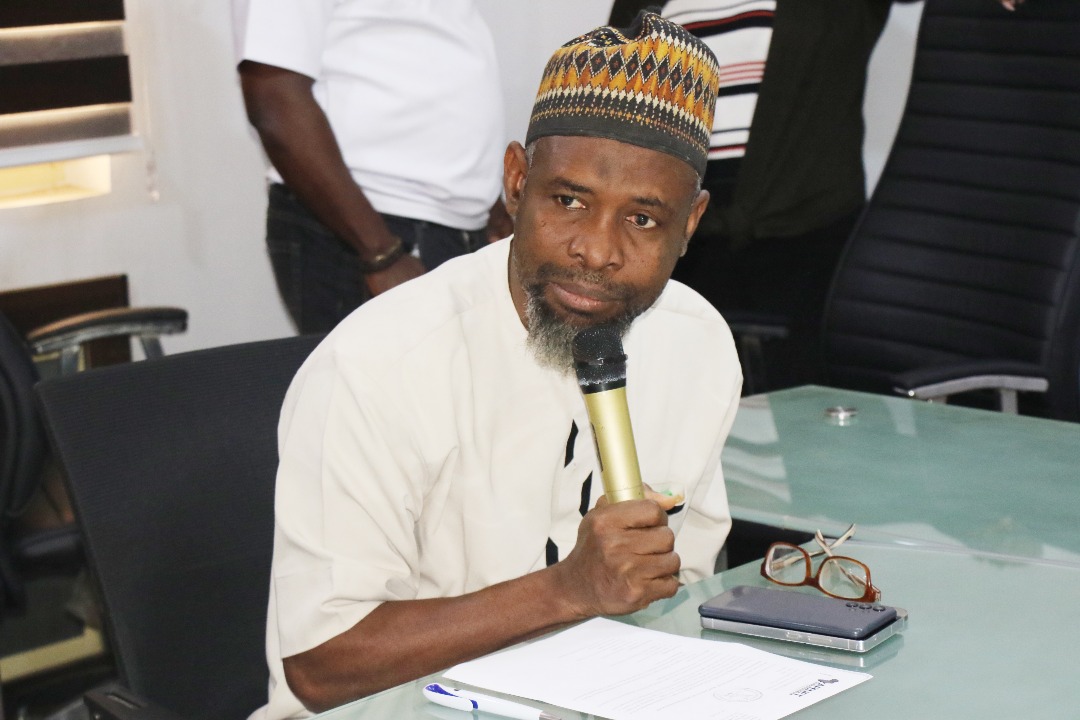
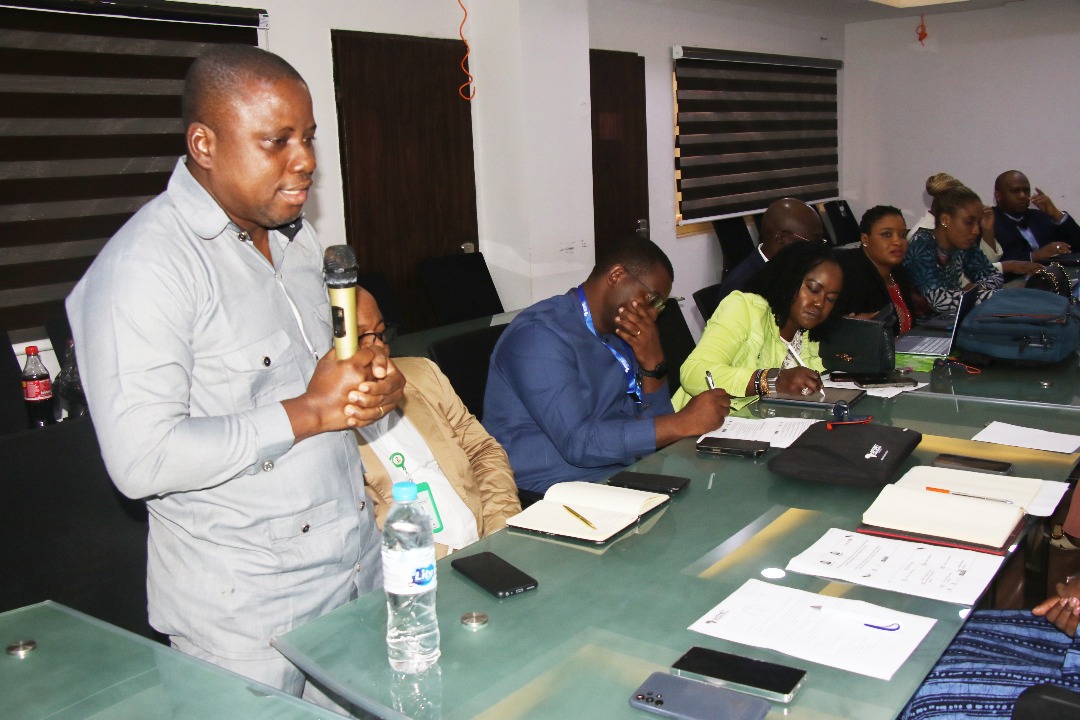
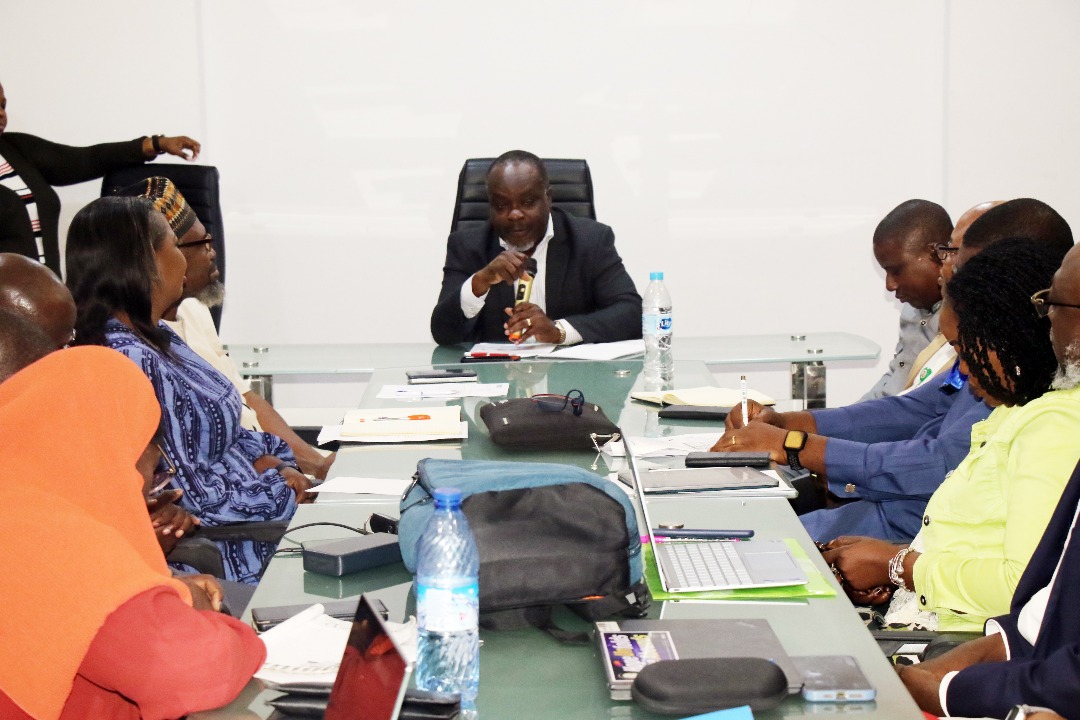
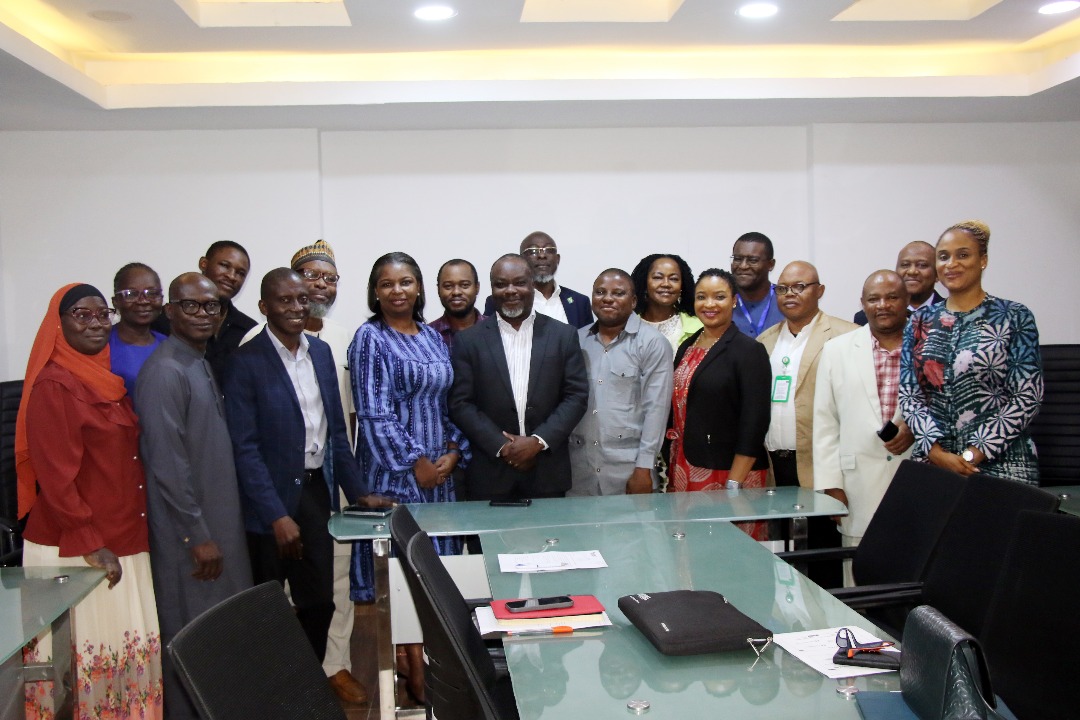
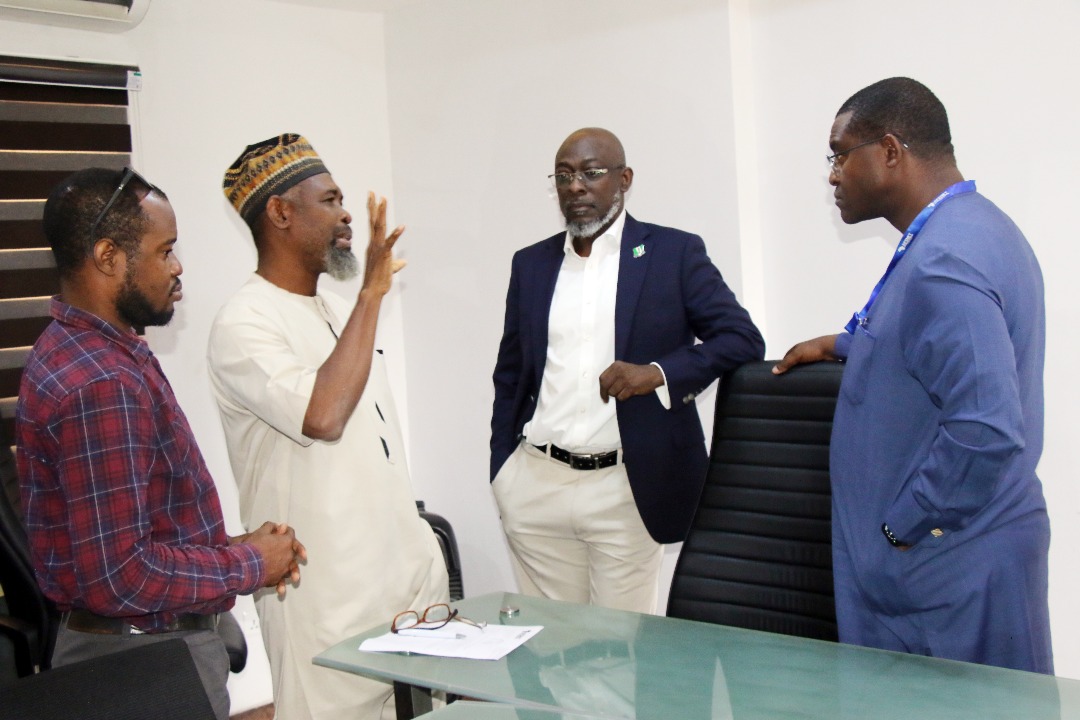
The advocacy visit, which held at the Ministry’s Alausa Secretariat in Ikeja, marked the commencement of preparatory engagements for the vital survey. It comes amid reported cases of heavy metal contamination in Nigerian communities, and aims to create a replicable model for a national lead poisoning response.
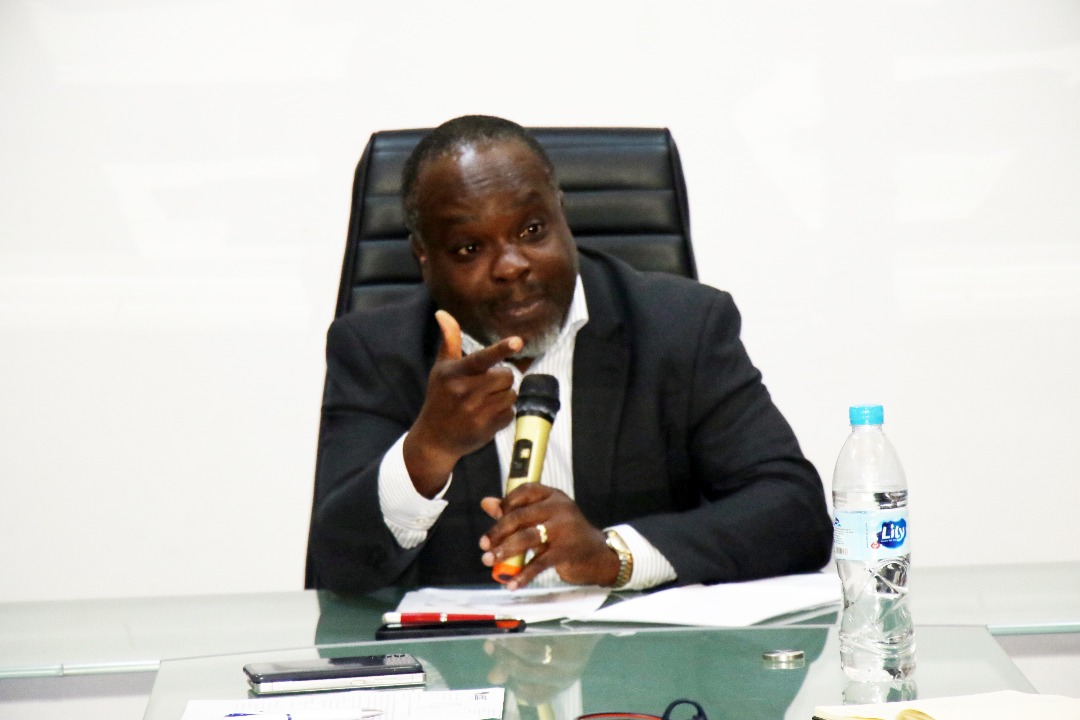
Permanent Secretary, Lagos State Ministry of Health, Dr. Olusegun Ogboye in his remarks, welcomed the survey team and emphasized the need for transparency, communication, and continuity. He noted that health studies should not end with mere data collection but must translate to actionable outcomes with full state involvement.
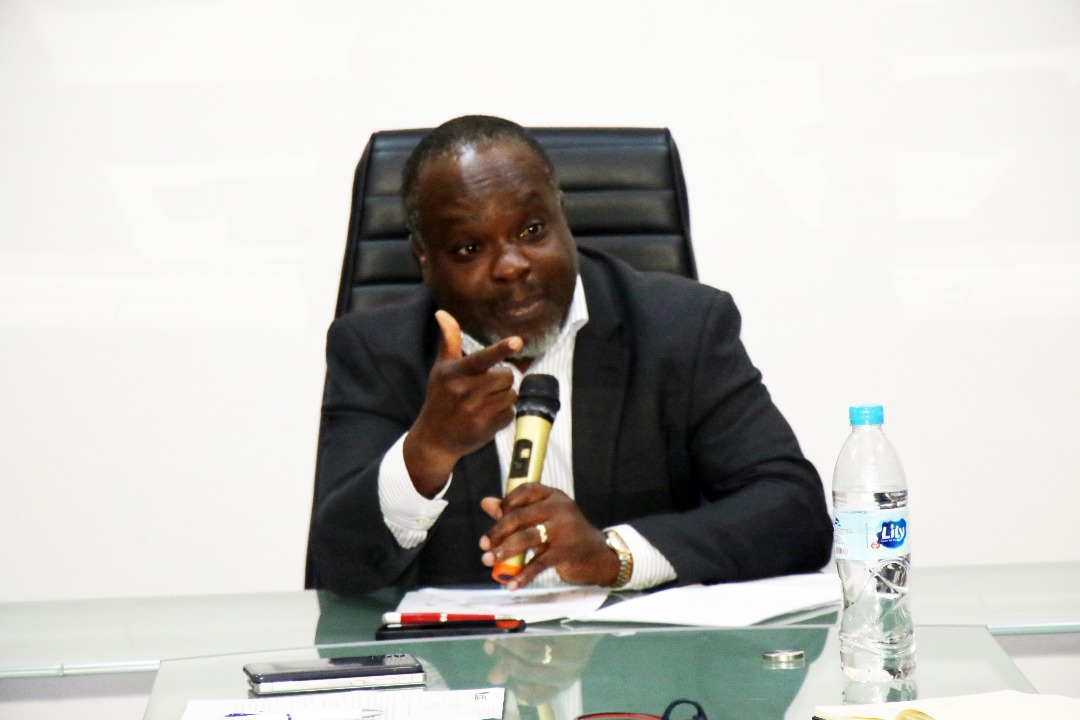
“It is not enough to come, conduct a study, raise alarm and walk away,” Dr. Ogboye cautioned. “We must guard against panic by ensuring data are contextualized, solutions are proffered, and stakeholders are properly debriefed. We do not want to read about the findings in foreign journals before hearing from the survey team,” he said.
The Permanent Secretary expressed satisfaction with the inclusion of treatment and prevention strategies in the survey plan and reiterated Lagos State’s readiness to collaborate, provided the process remains inclusive and ethically sound. “We want to be fully briefed at the end, prepared for outcomes, and ready to respond as needed,” he added.
Leading the delegation was Chief Consultant Epidemiologist at the Federal Ministry of Health and Social Welfare, Dr. Ganiyu Jamiyu, who explained that the initiative was a fallout of a ministerial declaration identifying lead poisoning as a public health emergency. He revealed that the national goal is to eliminate lead poisoning in Nigeria by 2030.
“The plan is to begin with Lagos due to its population and environmental dynamics. Children under five are particularly vulnerable. This survey, focused on their blood lead levels, will give us a baseline for exposure in both rural and urban settings,” Dr. Jamiyu explained.
He noted that the effort is being coordinated with multiple ministries, including Environment, Mining, Agriculture, and Finance, and is guided by international standards. “While Sokoto and Zamfara have seen well-documented outbreaks, Lagos represents a different but equally critical exposure landscape,” he said.
Director of Pollution Control at the Federal Ministry of Environment,Engr. Yunuss AbdulGaniyu, provided technical insights into multiple lead exposure routes. “From lead-based paints and battery recycling to artisanal mining and cosmetic products, the sources are numerous. Lagos, as a melting pot, carries the full weight of these challenges,” he said.
He disclosed that non-invasive tools such as the X-Ray Fluorescence (XRF) scanner will be deployed to measure lead concentration in soil and other media. Additionally, lactating mothers may be sampled due to risks of maternal-to-child lead transfer through breast milk.
Engr. AbdulGaniyu stressed that ethical protocols have been embedded into the study design, including participant consent, data confidentiality, and community protection. He further noted that Lagos State was involved in protocol development from the onset, making it a true collaborative effort.
AFENET’s Regional Coordinator, Dr. Patrick Nguku, reiterated that the project aligns with a whole-of-government and whole-of-society approach to evidence-based interventions. “Lead poisoning is a public health issue that requires science, government leadership, and multi-sectoral action. We are here to walk that journey with Lagos State,” he noted.
He also highlighted AFENET’s ongoing work in Lagos on zero-dose immunization and vaccine safety surveillance. “Our team is fully committed. We hope lessons learnt in Lagos can help drive replication in other states,” he said.
UNICEF’s Health Specialist, Dr. Fatima Cheshi, stated that the agency’s involvement in the initiative stems from its core mandate to safeguard child development. “Lead poisoning stunts a child’s ability to reach their full potential. This is why UNICEF is invested, not just in Nigeria, but globally,” she said.
She explained that Lagos was strategically selected for the pilot due to its national representation. “Lagos is a microcosm of Nigeria. If we can get it right here, the findings will be strong enough to inform a national roll-out,” Dr. Cheshi explained, noting AFENET’s credibility as UNICEF’s trusted implementing partner.
Dr. Ismail Abdus-Salam, Director of Epidemiology, Biosecurity and Global Health in the Lagos State Ministry of Health, referenced findings during the recent cholera outbreak as evidence of existing heavy metal contamination. “While searching for vibrios, we stumbled on cadmium and lead. This adds urgency to our need for collaboration,” he said.
He pledged Lagos State’s full technical support, especially in health worker training and community engagement. “This survey is timely. With our existing laboratory systems and surveillance capacity, Lagos is ready to hit the ground running,” he assured.
As the meeting concluded, the IAWG outlined its six-fold request for support, which included endorsement of the survey, provision of technical staff, health worker mobilization, use of state health promotion platforms, referral linkage for affected children, and data utilization for policy-making.
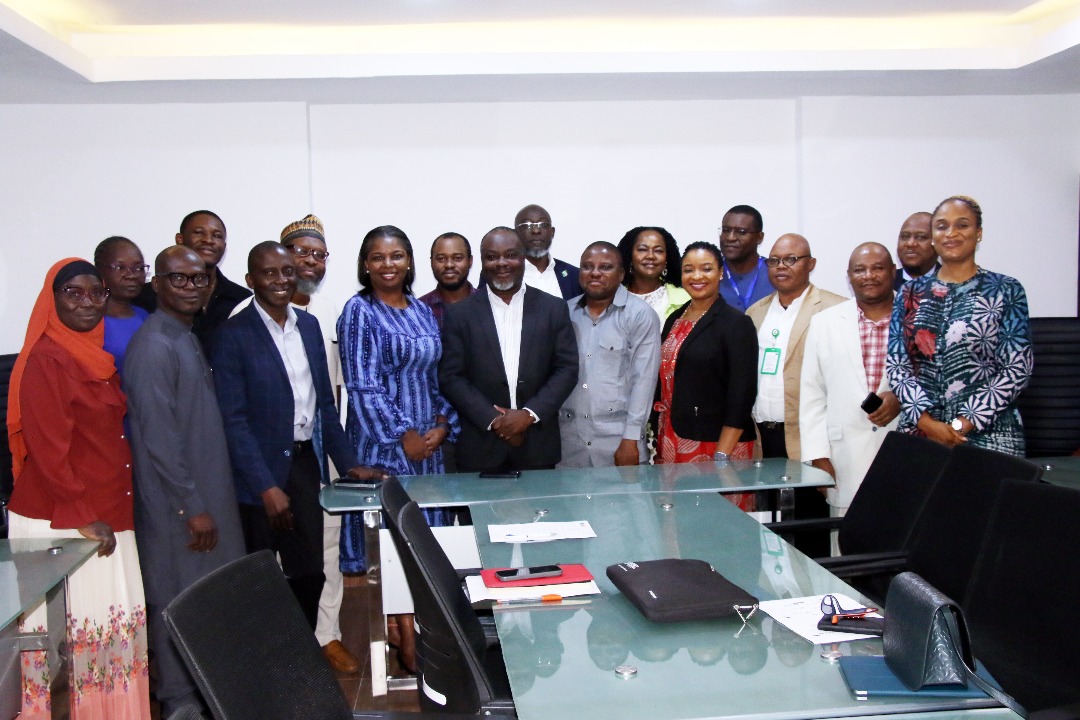
The nine-member delegation included representatives from AFENET, UNICEF, and civil society, and reaffirmed their commitment to working with Lagos State on all phases of the survey. “This is not just about gathering data, it’s about protecting children and ensuring their future,” the team emphasized.
Also present at the meeting were the Director Disease Control, Dr. Victoria Egunjobi; Director Environmental and Occupational Health, Dr. Theophilous Ajayi and Director Lagos State Biobank, Dr. Bamidele Mutiu. Other members of the visiting team were Health Specialists UNICEF, Dr. Ijeoma Agbo; CEO Africa Health Budget Network, Dr. Aminu Magashi Garba; Project Coordinator AFENET, Prof. Yahaya Mohammed; PHC Immunization Advisor AFENET, Endie Waziri and Resident Advisor AFENET, Mohammed Balogun.
The Lagos State Ministry of Health pledged to accelerate inter-agency collaboration and ensure seamless integration of the survey into existing public health systems. With this, Lagos inches closer to being the first Nigerian state to generate environmental health evidence at scale, specifically focused on the youngest and most vulnerable.