…Permanent Secretary urges immediate integration of lessons into health planning, budgeting
…Participants lauded for commitment, as state prepares to deploy web-based AOP tool
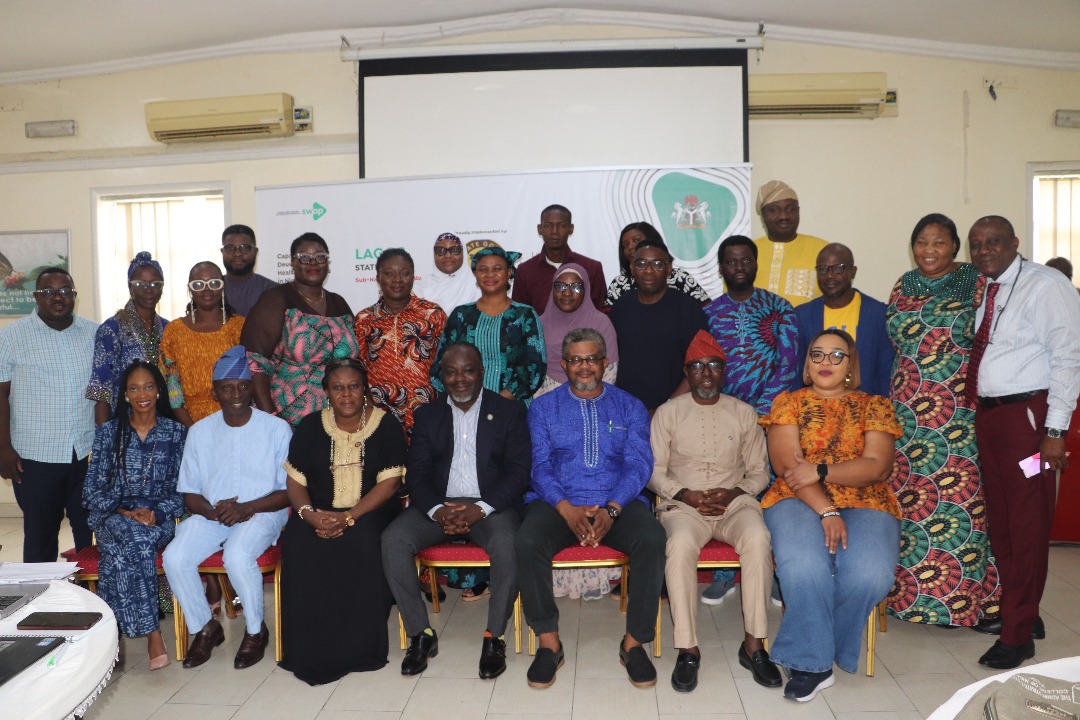
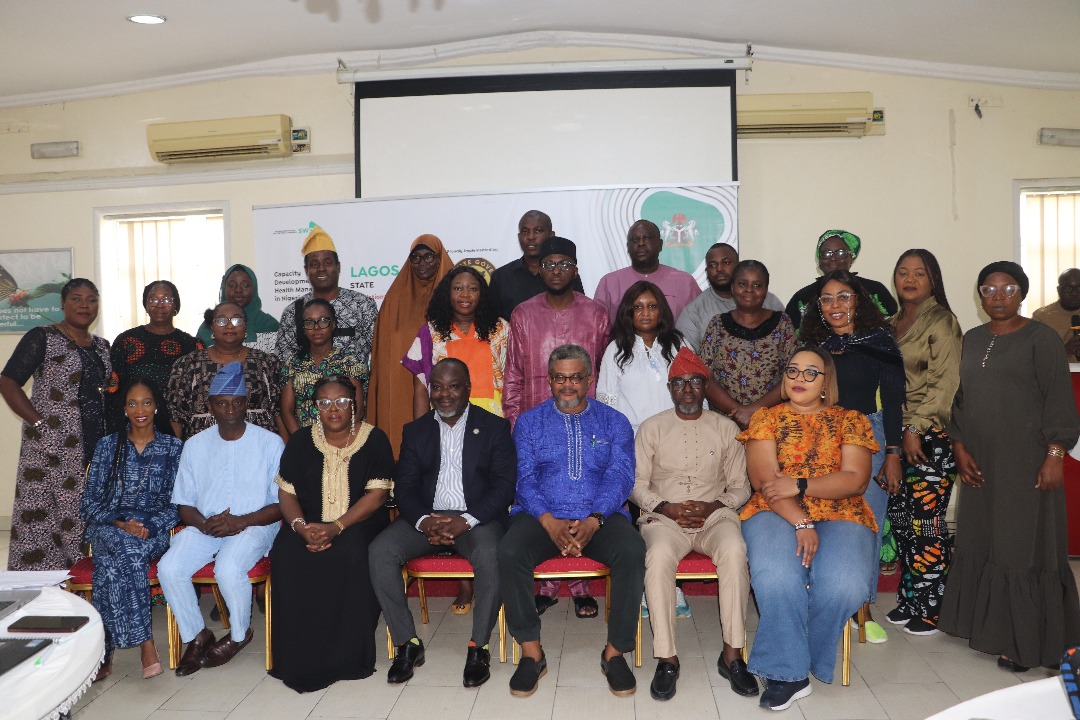
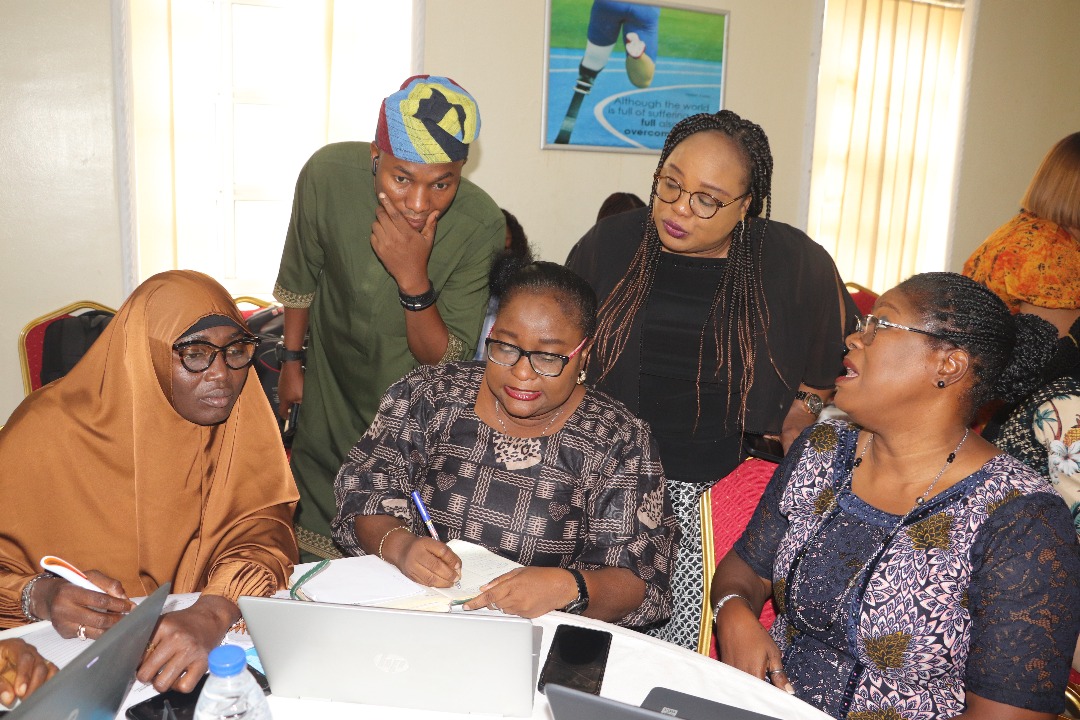
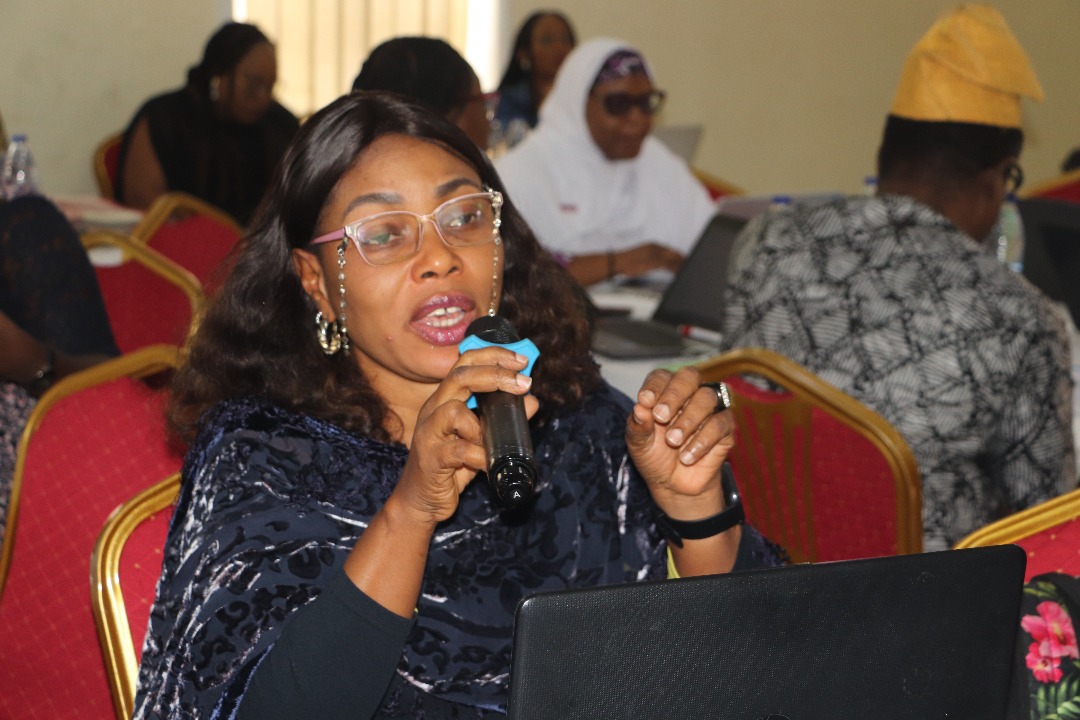
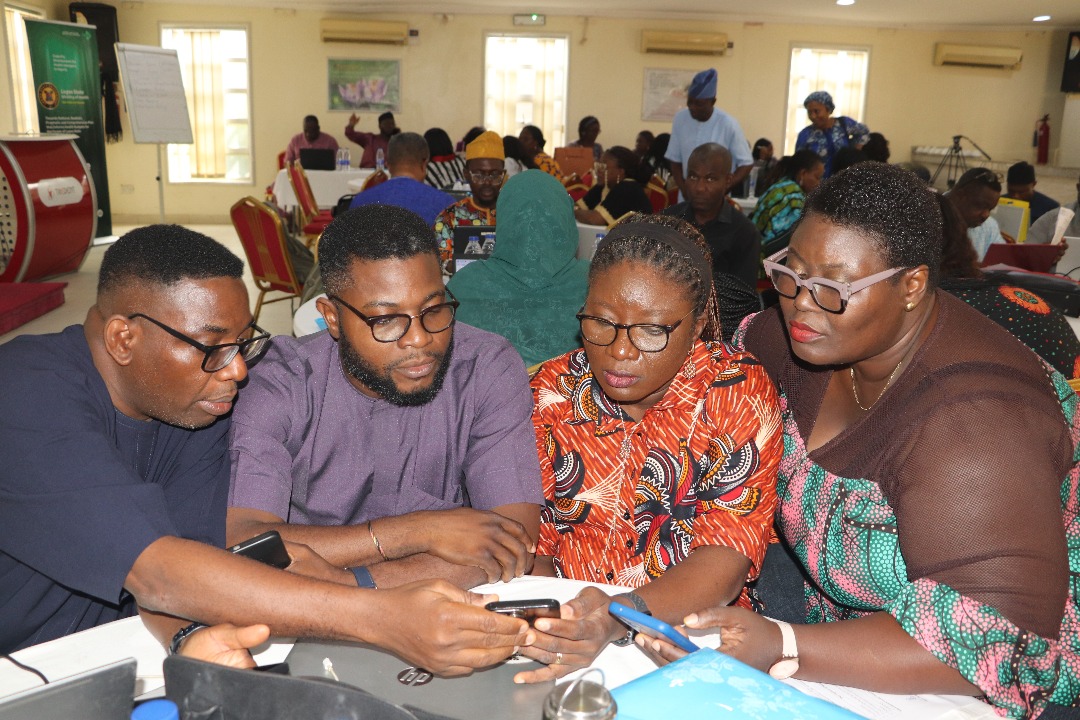
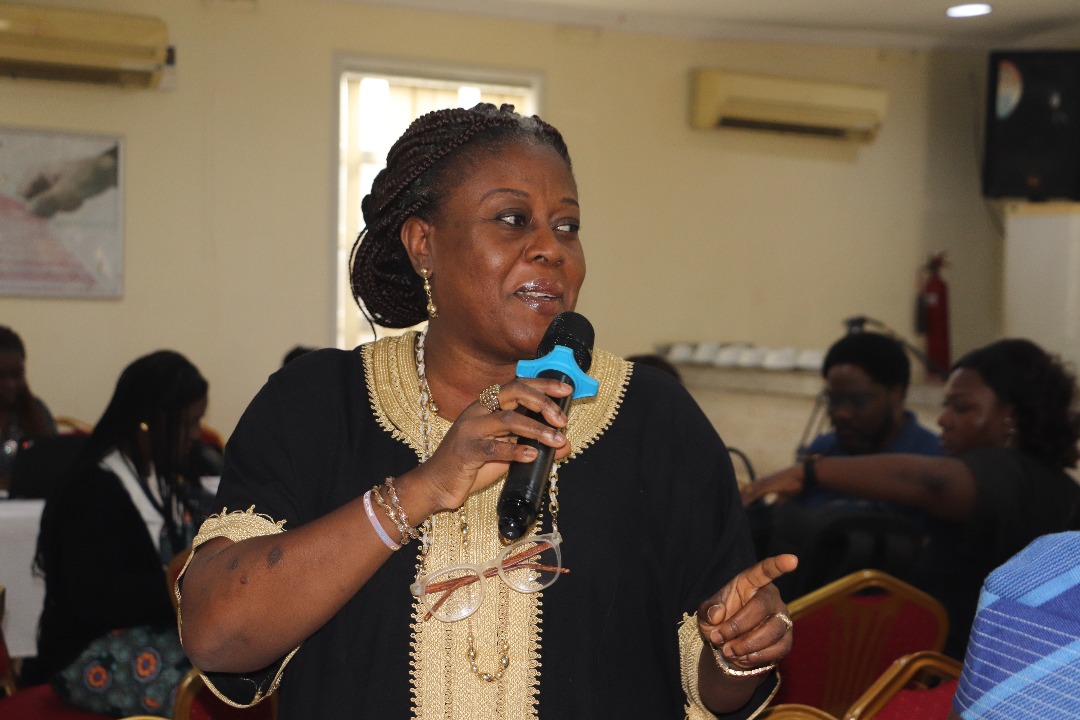
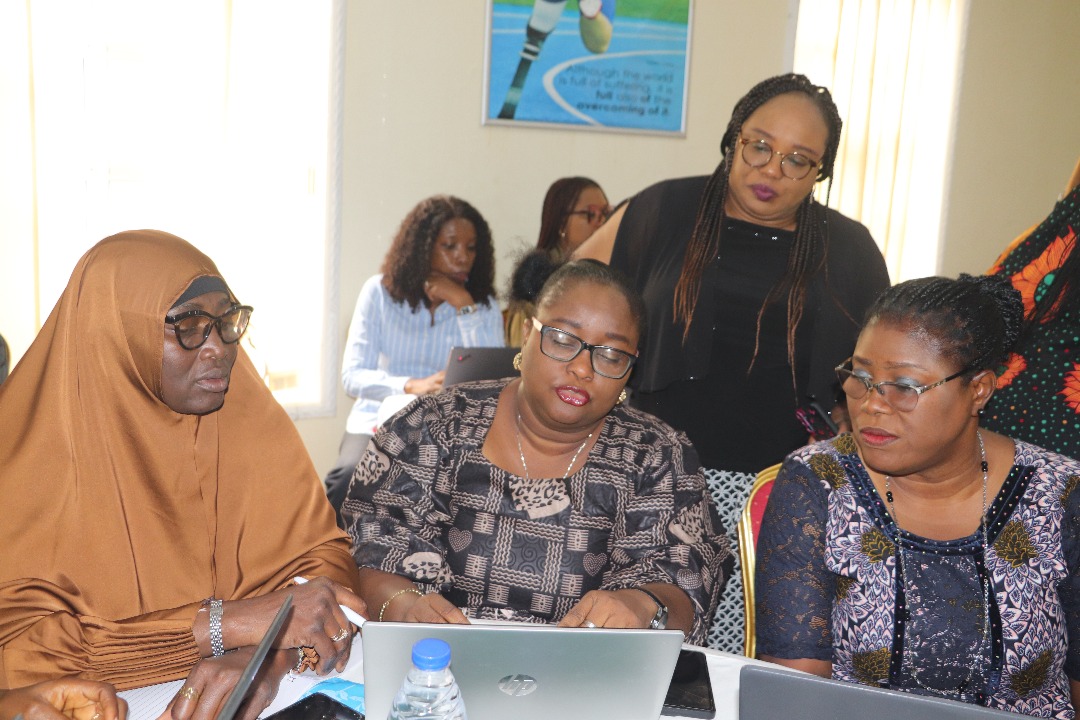
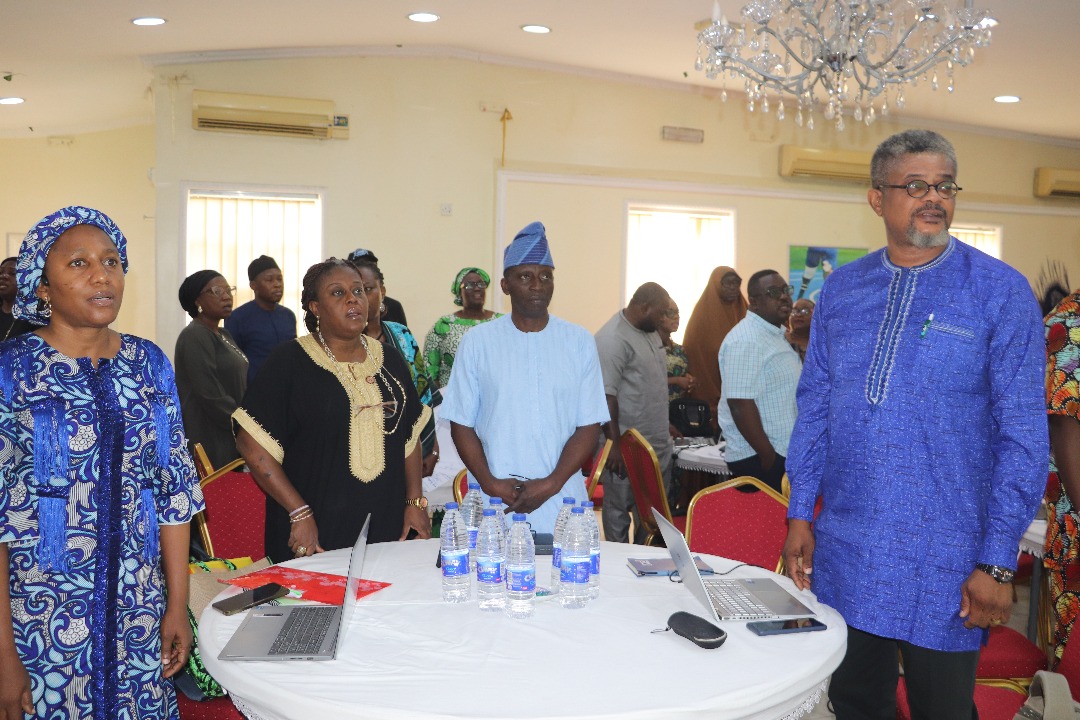
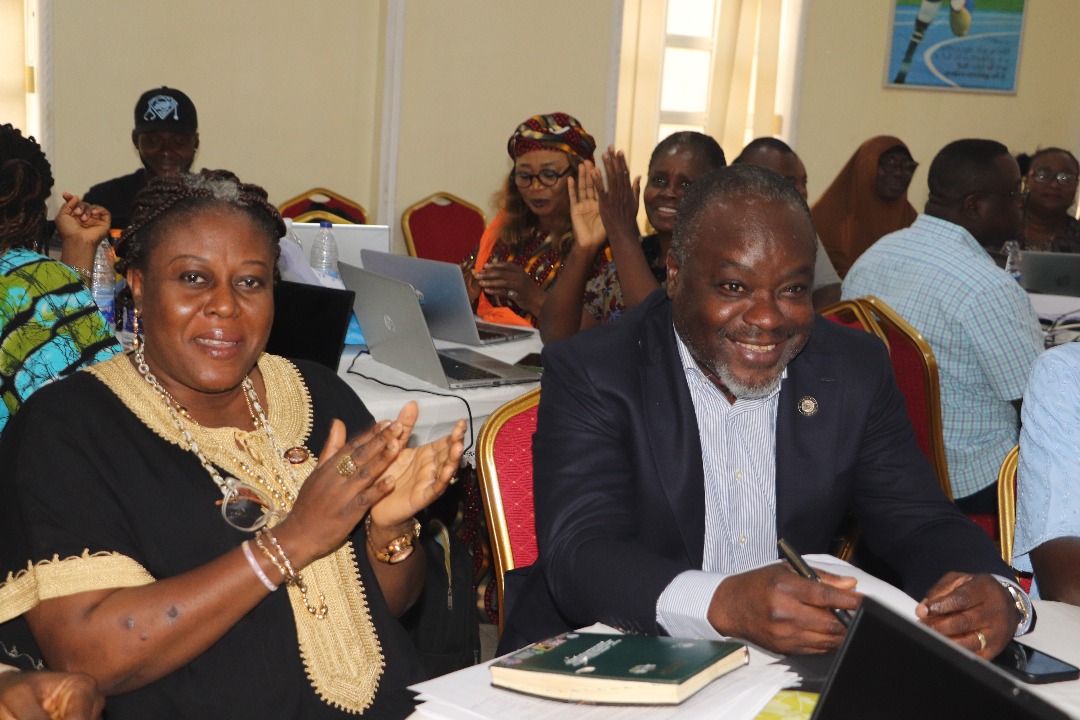
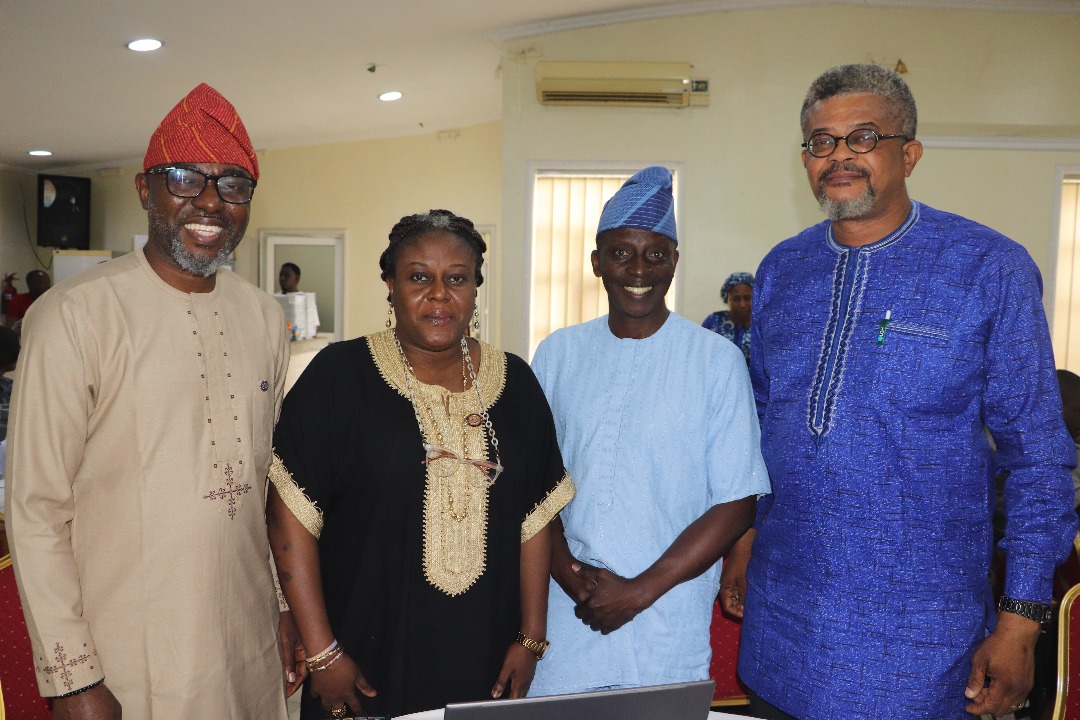
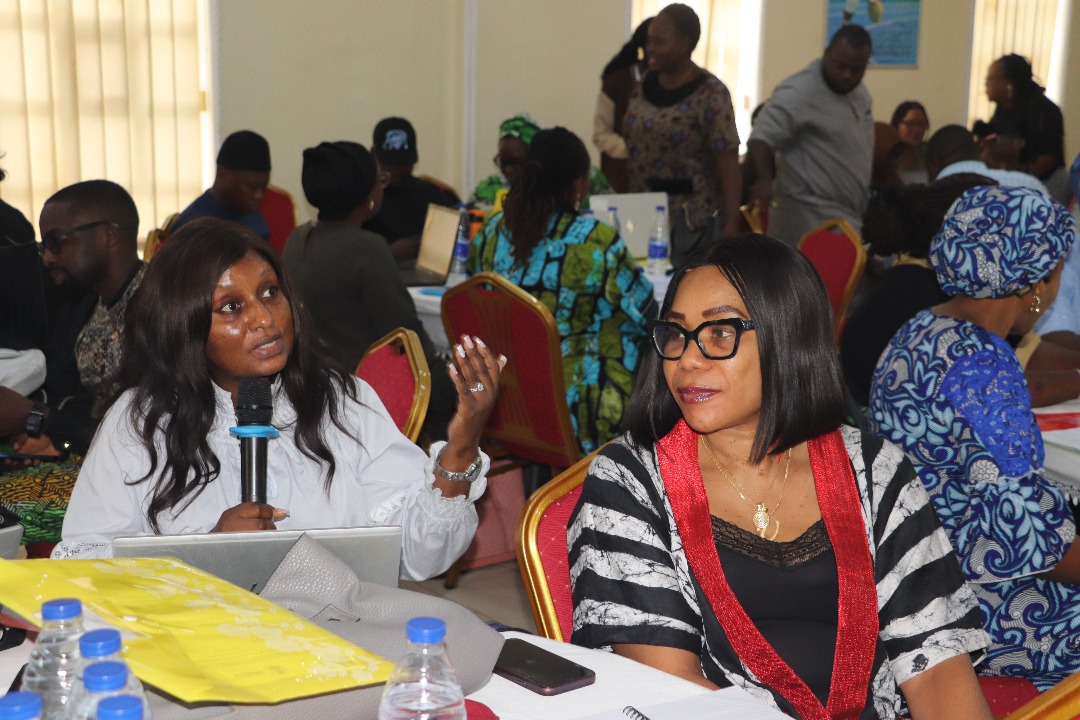
After four days of intensive learning, Lagos State formally closed the Nigeria Health Sector Renewal Investment Initiative (NHSRII) Capacity Development Workshop for Health Leaders and Managers with a resounding call for action and integration of newly acquired planning tools and reform strategies into day-to-day health governance.
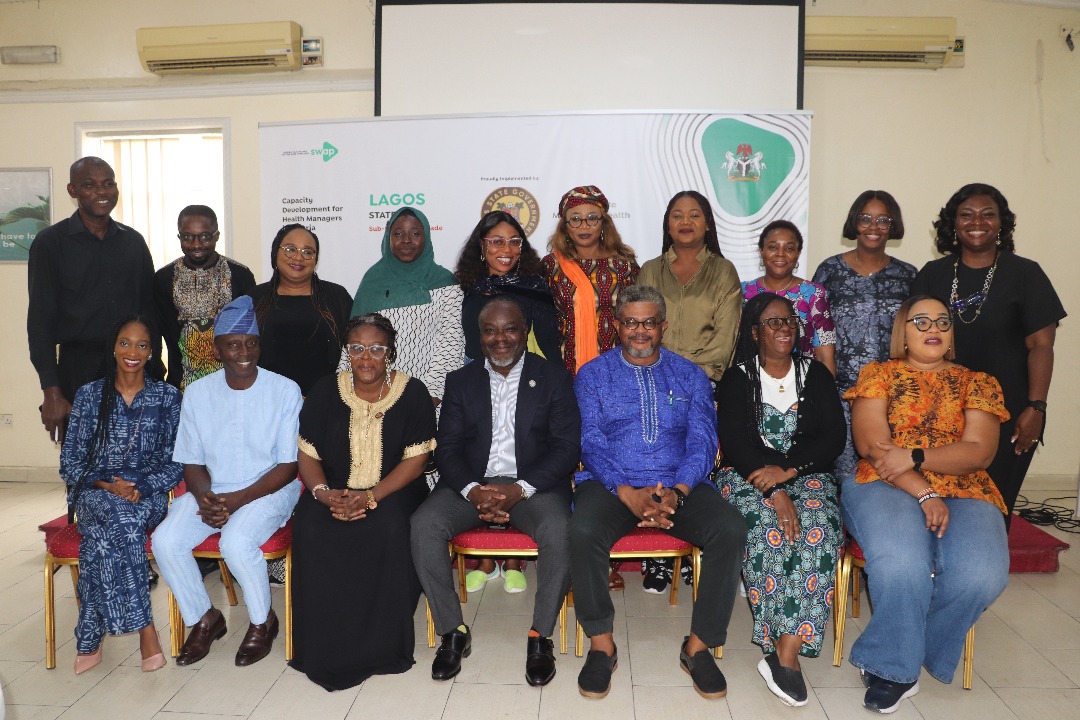
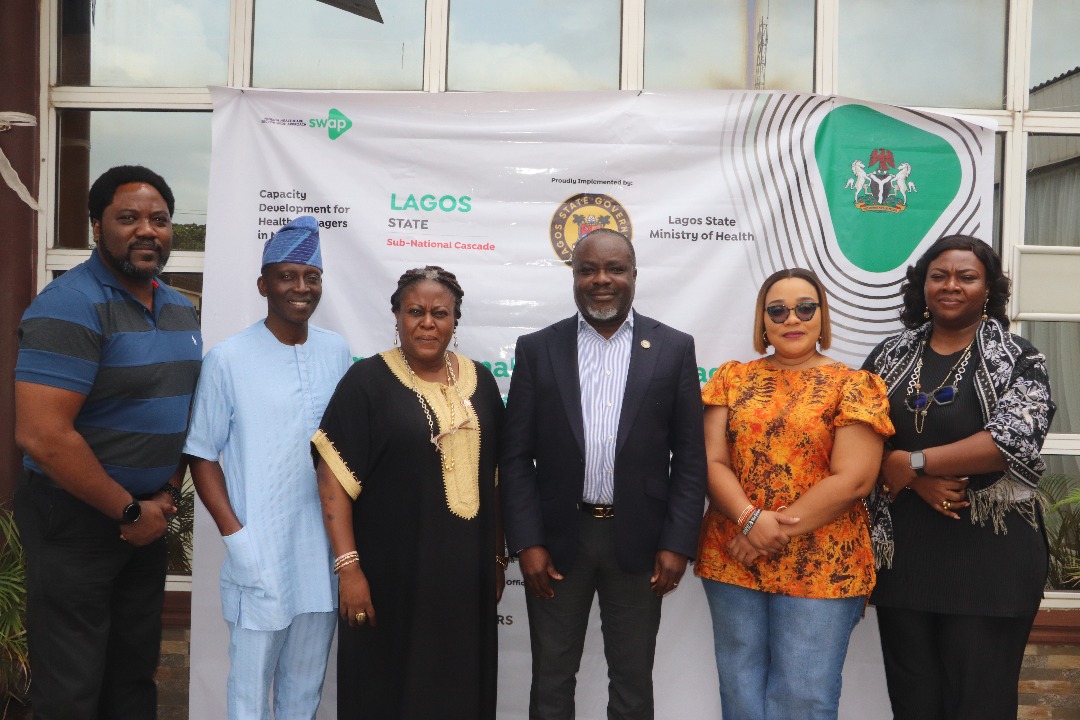
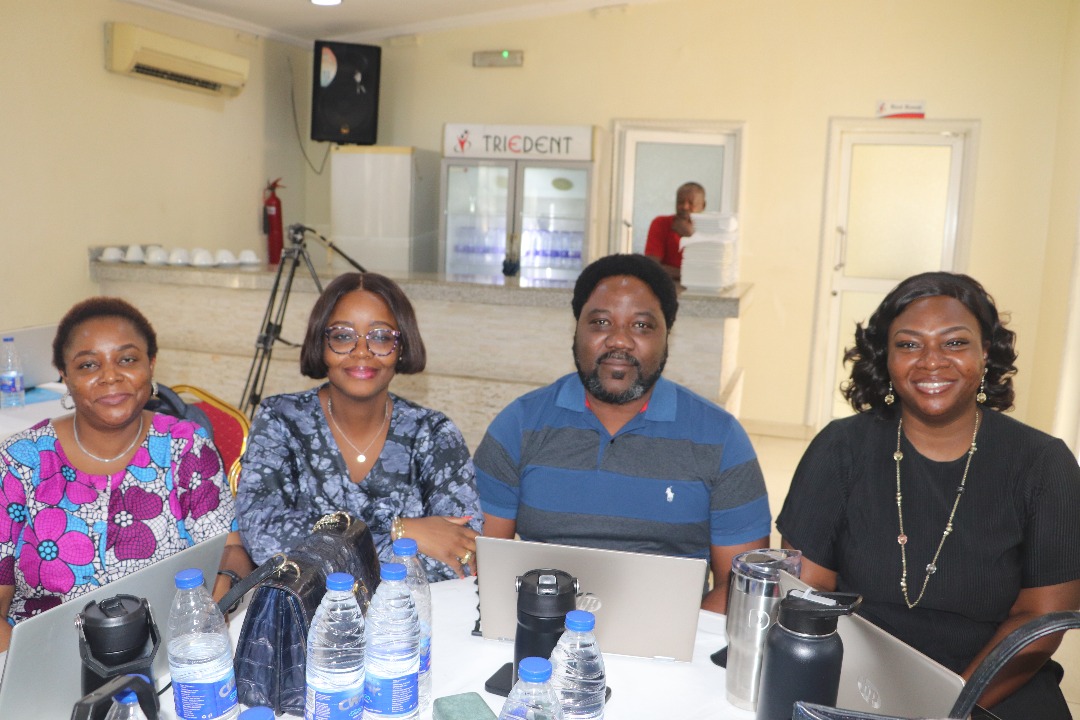
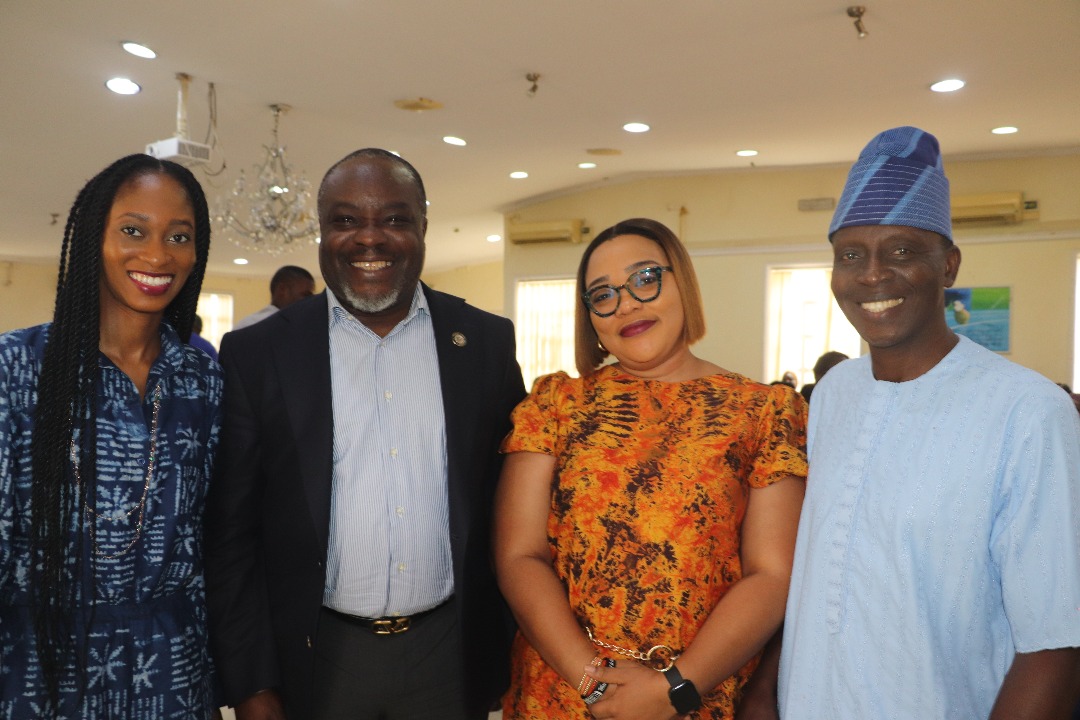
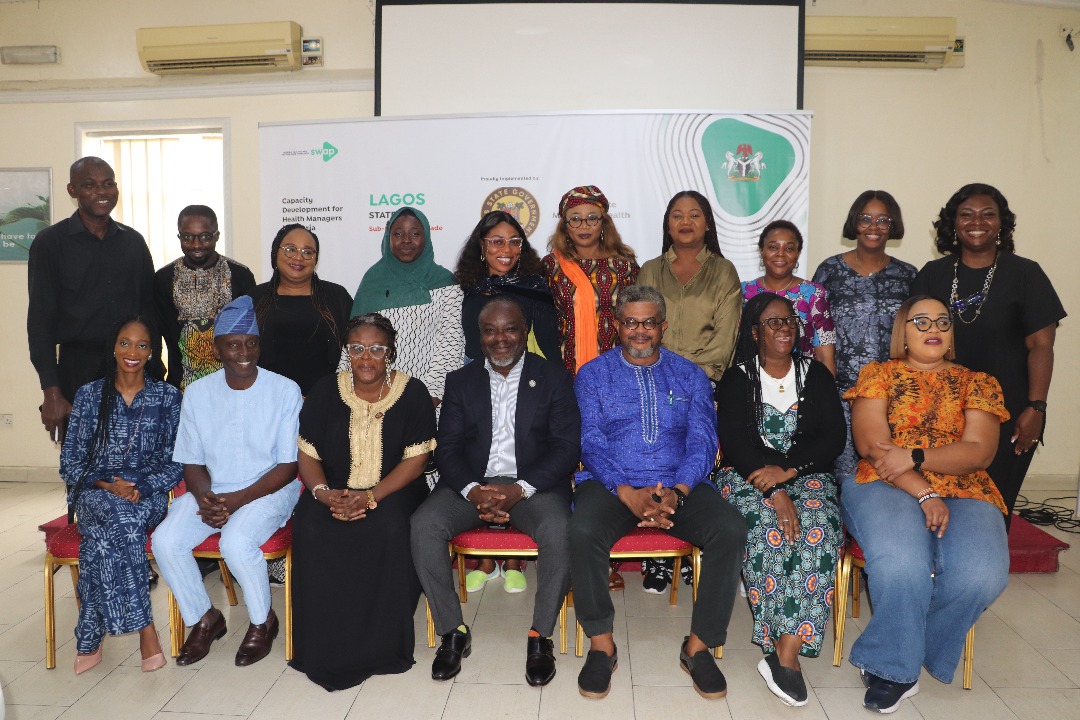
The closing ceremony, held on Friday, July 18, 2025, at Trident Suites in Ikeja, brought together top health officials, development partners, and technical experts who participated in the sub-national cascade workshop hosted by the Lagos State Ministry of Health in collaboration with the SWAp Coordination Office and the Federal Ministry of Health.
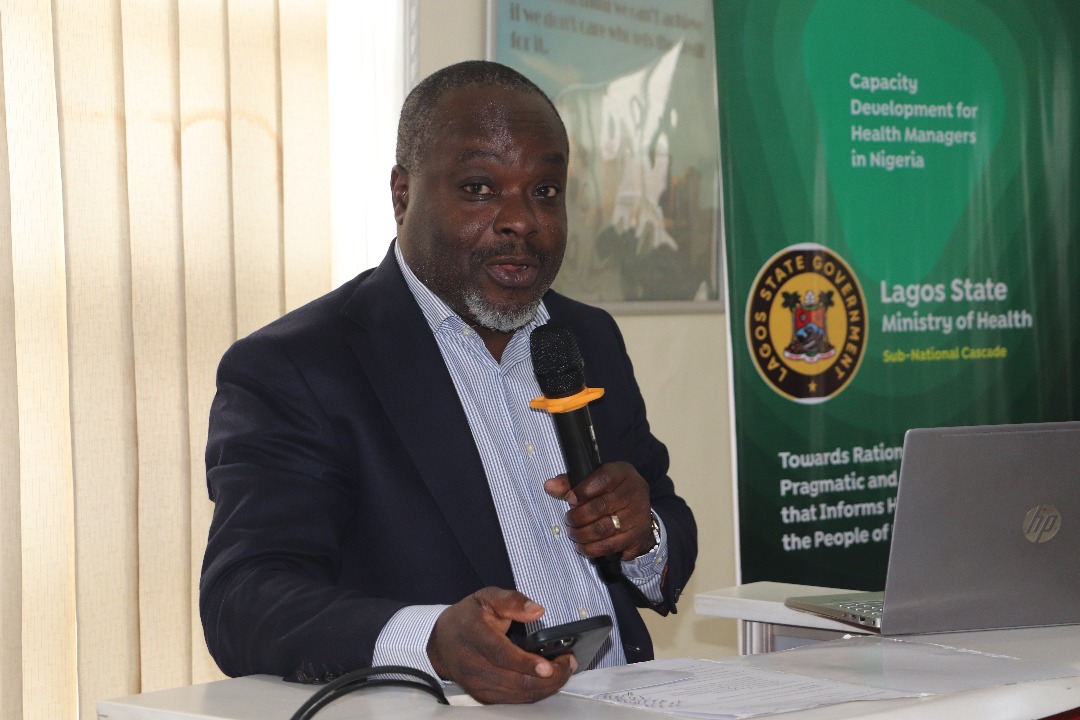
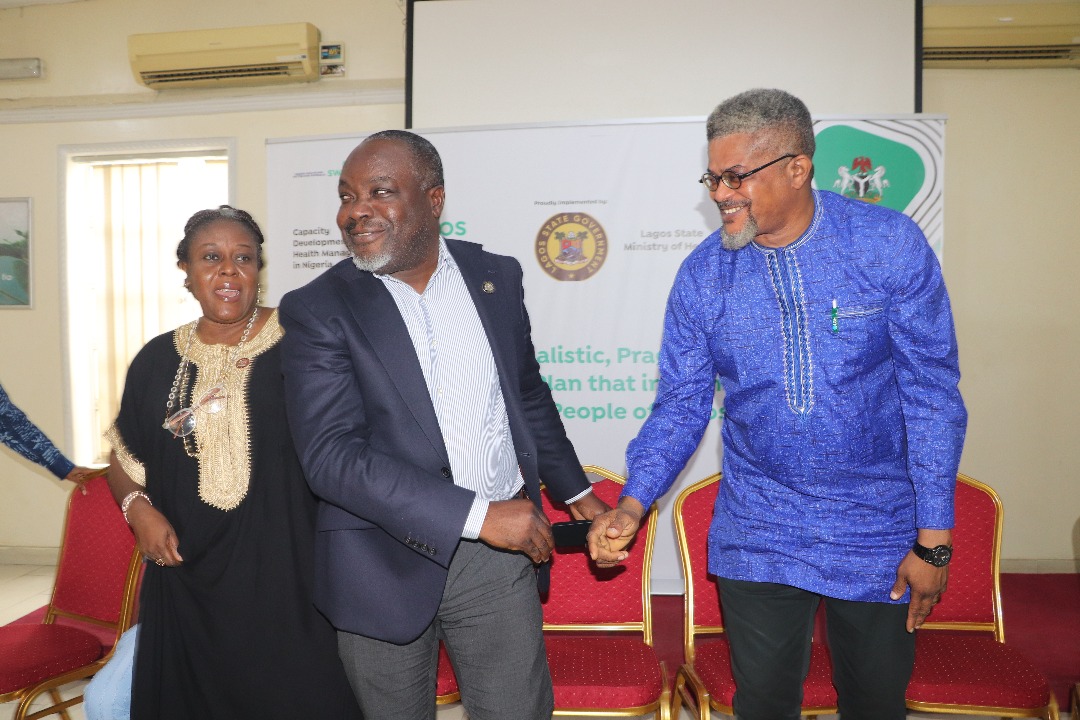
Permanent Secretary, Lagos State Ministry of Health, Dr. Olusegun Ogboye, who delivered the closing remarks, emphasized that the workshop was not just an academic exercise but a practical foundation for change. “You’ve spent four days absorbing technical topics like data for decision-making, systems thinking, bottleneck analysis, these are tools that must now guide how we plan, prioritize, and deliver health services,” he said.
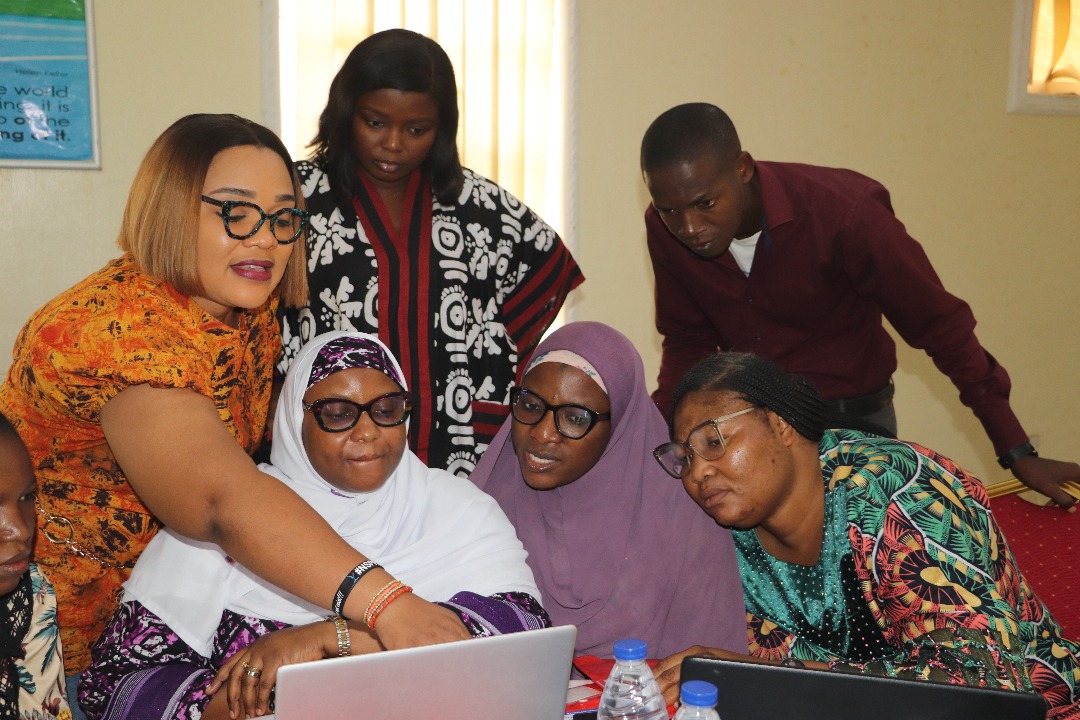
Ogboye praised the timing of the workshop, noting its alignment with the state’s upcoming budget cycle. “For the first time, our planning will not trail behind budgeting. With the online AOP tool now fully introduced, we are ready to shape meaningful, fundable plans before the budget ship sails,” he stated. He also confirmed that the 2025 Annual Operational Plan process in Lagos will now adopt the new web-based planning tool.
Reflecting on the workshop content, Ogboye noted the importance of system thinking in solving real health challenges. “Too often, we design solutions from a distance without speaking with those affected. This workshop has helped shift that mindset. We must now act differently,” he urged. He also directed the Department of Planning, Research and Statistics to cascade the knowledge across all health agencies in the state.
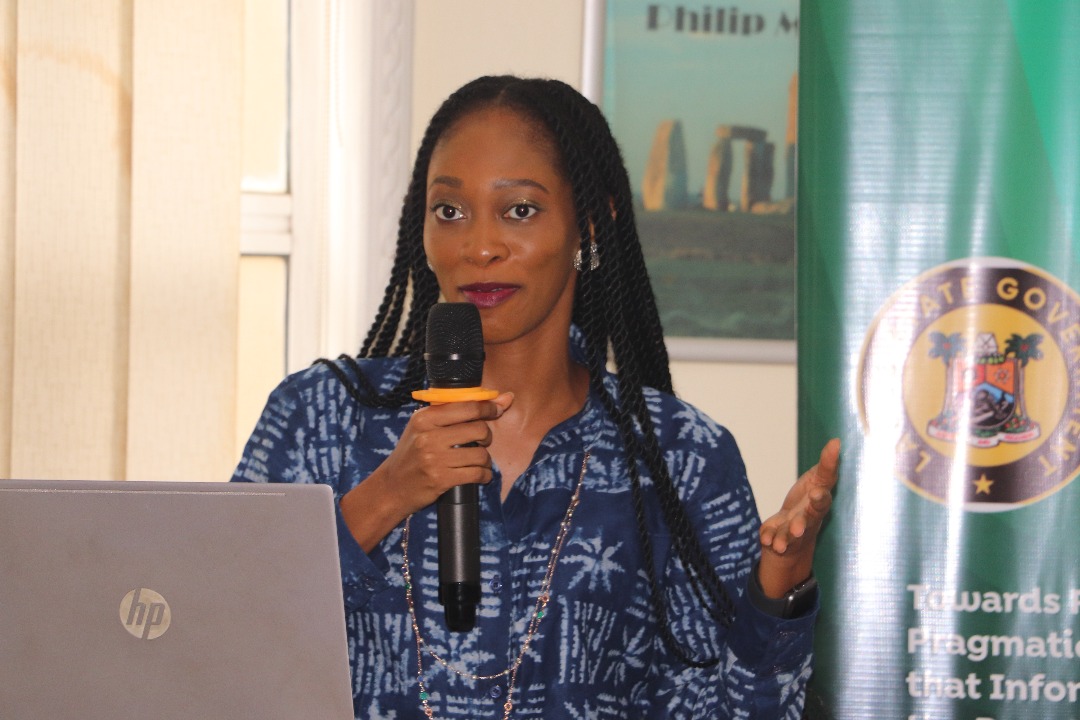
Earlier, Director of Healthcare Planning, Research, and Statistics, Dr. Olajumoke Oyenuga who coordinated the workshop, thanked the Permanent Secretary for his leadership and presence at the close of the event. “Your support has been instrumental. From Day 1, we saw unwavering commitment from participants. They showed up on a public holiday and stayed fully engaged throughout,” she said.
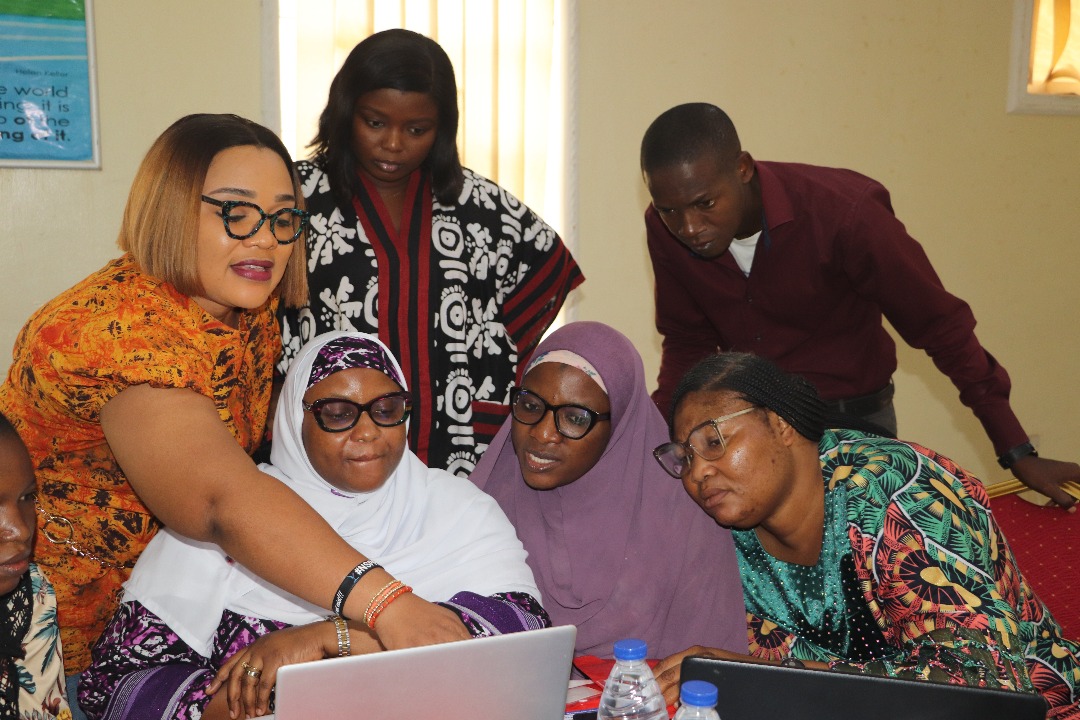
Dr. Oyenuga highlighted the structure of the sessions, ranging from the basics of sector-wide approach (SWAp) to hands-on training on the AOP web tool, as essential in preparing the health workforce to embrace reform. “We are no longer just talking. We’re thinking and speaking like system actors. That’s transformation,” she noted.
She also extended appreciation to the master trainers and federal facilitators, including Dr. Oyeyemi Ogunjobi, Mrs. Moji Kufo, Dr. Sangoleye, Dr. Nonso Egbosi, and Dr. Olabisi Dabiri, for guiding the technical learning. “These experts brought clarity, and their presence helped root the training in practical realities,” she said.
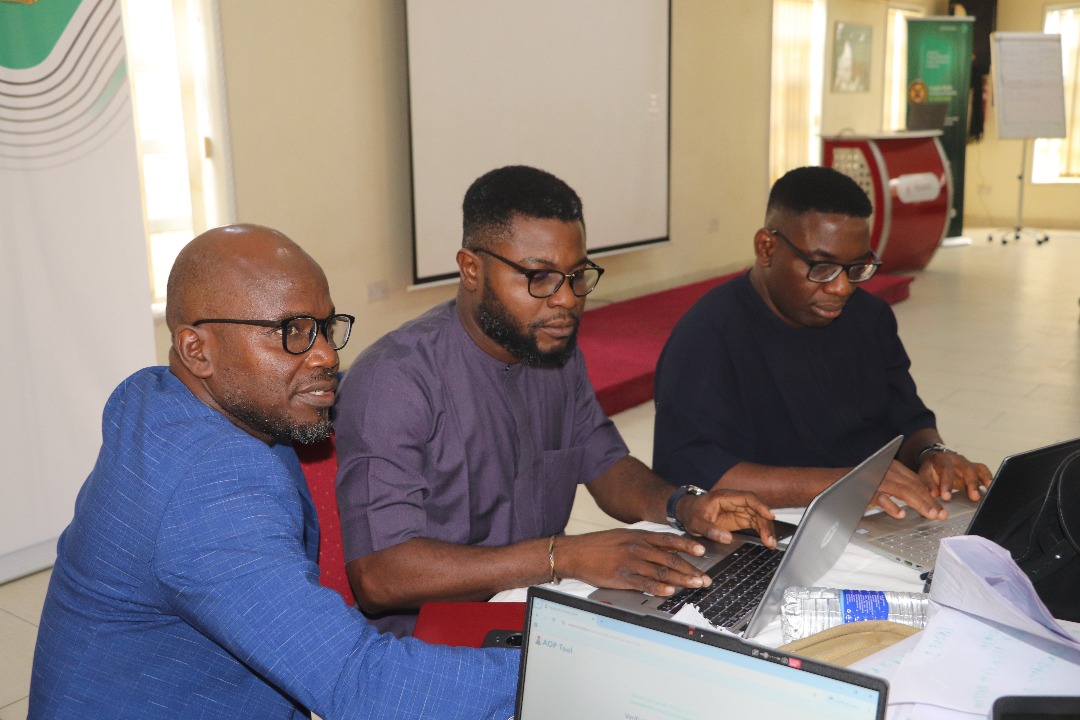
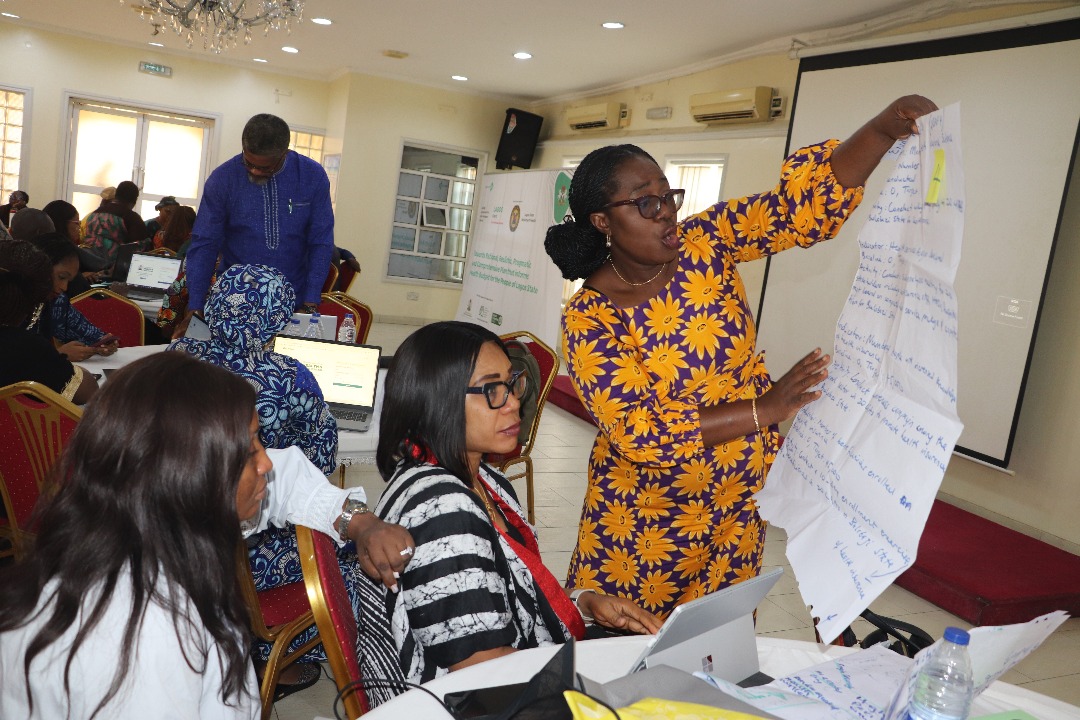
Delivering a technical recap, SWAp Desk Officer for Lagos, Dr. Oyeyemi Ogunjobi summarized the journey through four days of capacity building. From pre-tests and deep dives into MAMII, HOPE Project, and bottleneck analysis, to the rigorous demonstrations on the AOP platform, participants were taken through a full cycle of strategic health planning.
Ogunjobi noted that the training was not just theoretical but hands-on. “We covered everything from sector integration to costing and resource mapping. The AOP tool is no longer abstract, our planners now know how to use it. This will help us meet the SWAp vision of ‘one plan, one budget, one report,’” he emphasized.
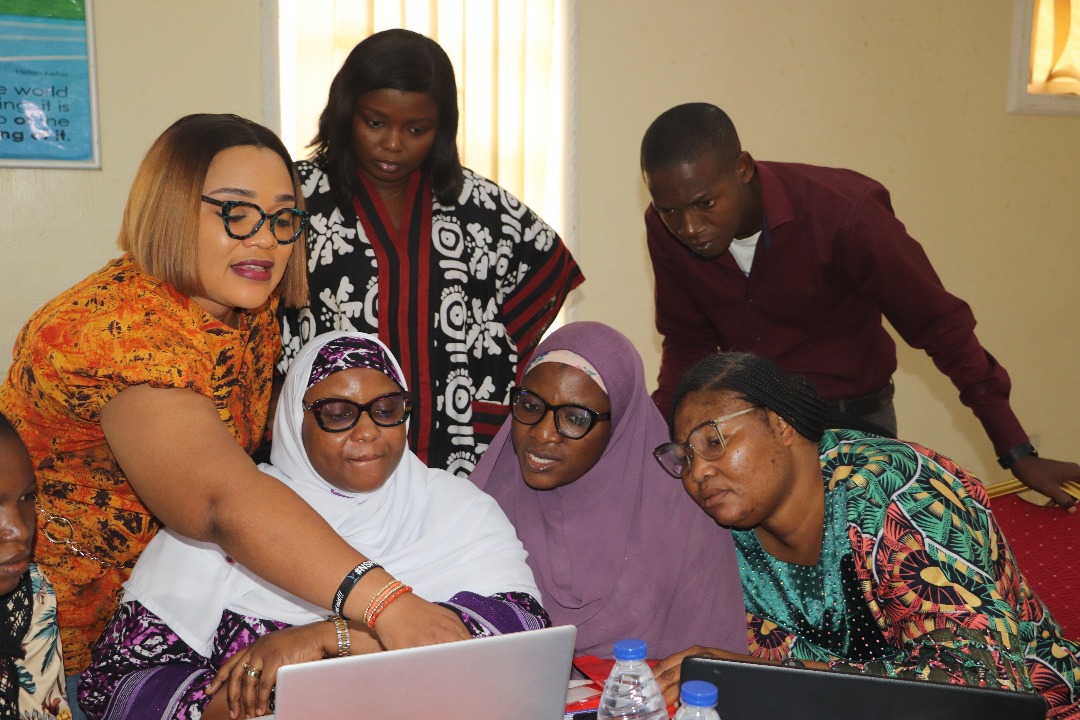
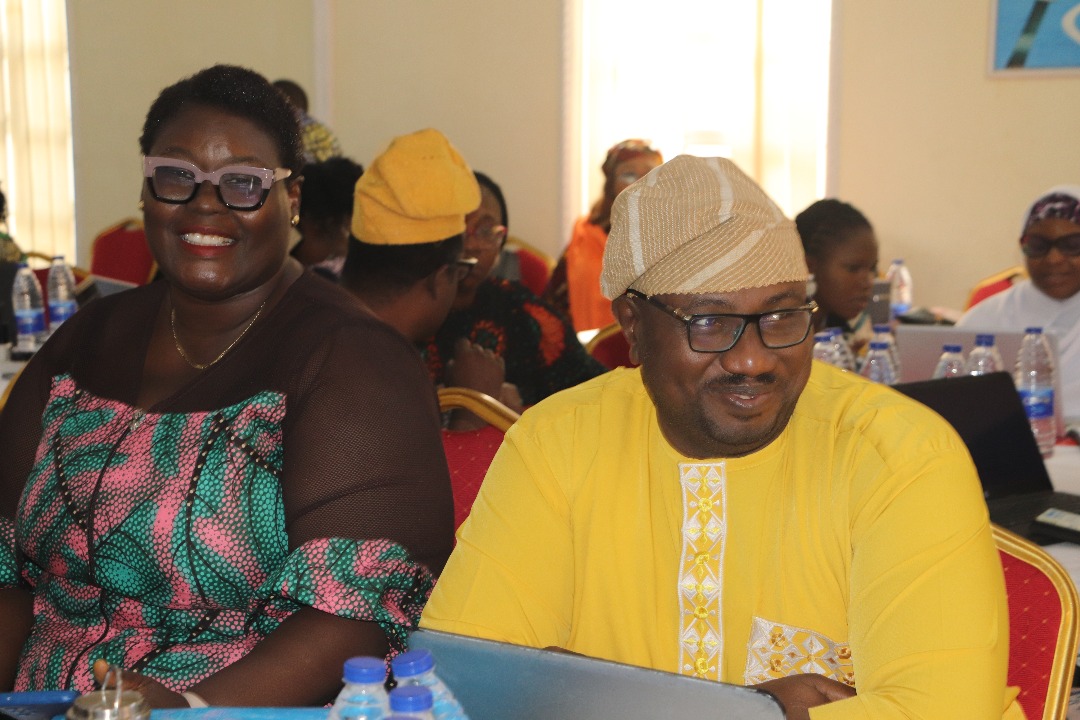
Dr. Olabisi Dabiri, a Federal Ministry of Health consultant and one of the master trainers, commended the discipline and energy shown by Lagos participants. “As someone who trains in many states, I must say this cohort stood out. They were asking questions, reflecting critically, and engaging deeply. It was not just impressive, it was inspiring,” she said.
She acknowledged the initial difficulty of the pre-test but said the transformation by the final day was evident. “The growth was measurable. I believe this group will return to their LGAs and MDAs with new energy and capacity to lead reform. That’s the goal of NHSRII,” Dabiri added.
With the workshop wrapped, the Lagos State Ministry of Health now shifts focus to embedding the tools, insights, and strategic mindset into every facet of health planning and service delivery. Officials say the lessons from the workshop will be integrated into the operational plans for 2025 and beyond.
Participants are expected to cascade the training across their departments, creating a ripple effect of knowledge transfer. Monitoring and evaluation mechanisms will be deployed to track implementation and impact of the training.
As Dr. Ogboye rightly concluded, “The real value of this workshop is not what happened in this room, but what happens next in our health centres, departments, and communities. Let’s make this count.”